


The Lithium Bottleneck in India's EV Ambition
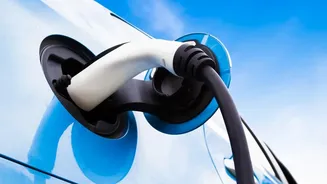
For years, the high cost of electric vehicles in India has been a major roadblock to mass adoption. The primary culprit is the lithium-ion battery pack, which can account for up to half of an EV's total cost. These batteries rely on materials like lithium and
cobalt, resources for which India has limited reserves, leading to a heavy dependence on imports. This reliance not only makes EVs expensive but also exposes the country to volatile global supply chains and geopolitical risks, with a significant portion of the mineral processing controlled by a few nations. As India pushes towards a greener future, finding a cost-effective and domestically secure alternative to lithium-ion has become a national priority.
Enter Sodium-Ion: The Salt-Powered Solution
The most promising alternative emerging is sodium-ion battery technology. At its core, it works on a similar principle to its lithium-based cousin, but it uses sodium ions—derived from common, inexpensive salt—as the charge carrier. Sodium is one of the most plentiful elements on Earth, and India has vast domestic reserves. This dramatic difference in raw material availability is the key to its game-changing potential. By shifting from scarce, imported lithium to abundant, local sodium, the fundamental cost structure of a battery can be completely rewritten, making it a strategically vital technology for the country's 'Atmanirbhar Bharat' mission.
The Cost, Safety, and Performance Equation
The most significant advantage of sodium-ion batteries is their potential to be 20-30% cheaper to produce at scale than their lithium-ion counterparts. This cost reduction stems not just from using cheap sodium, but also from the ability to use aluminium as a current collector instead of more expensive copper. Furthermore, sodium-ion cells are known for their superior thermal stability, which reduces the risk of fire and makes them safer, a crucial factor in India's diverse and often hot climate. They also perform well in a wider range of temperatures and can often be charged faster. This makes them particularly well-suited for many Indian use cases.
A Perfect Fit for India’s Entry-Level Market
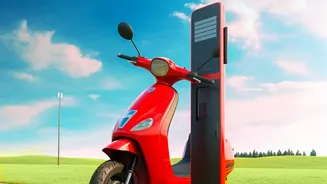
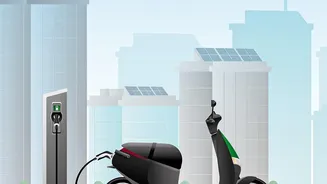
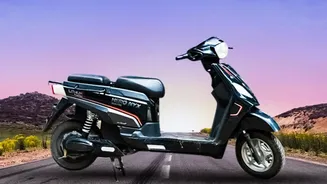
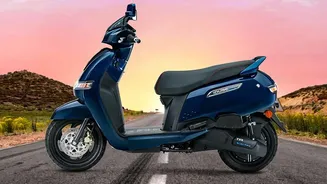
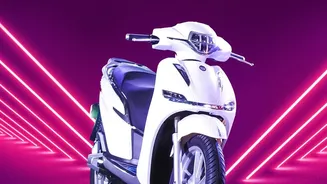
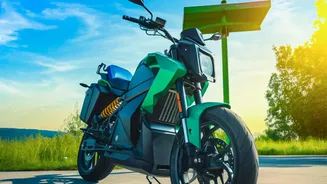
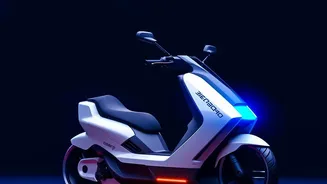
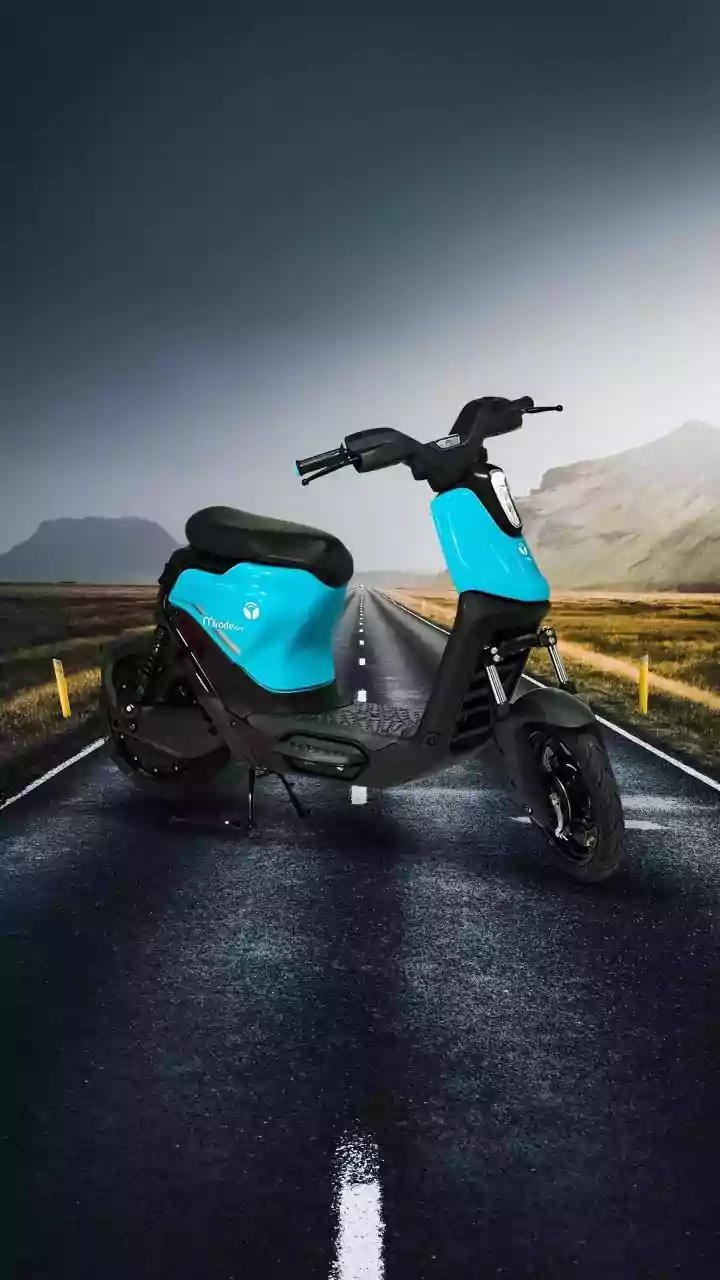
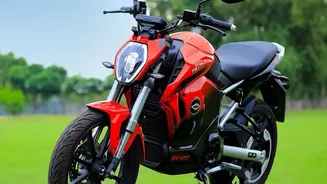
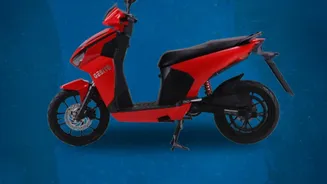
While sodium-ion batteries currently have a lower energy density than high-end lithium-ion cells—meaning they offer less range for the same weight—this trade-off is perfectly acceptable for a huge segment of the Indian market. They are an ideal solution for electric two-wheelers, three-wheelers, and budget-friendly city cars, where long-range performance is not a primary concern. For the millions of Indians looking for an affordable, low-running-cost vehicle for daily commutes, a slightly lower range is a small price to pay for a significantly lower upfront cost. This technology could finally bridge the affordability gap that has kept EVs out of reach for the average consumer.
The Road Ahead and India's Head Start
The path to mass adoption is not without its challenges. The technology is still maturing, and India's domestic supply chain for specific components like hard carbon anodes needs to be developed. However, a concerted push is already underway. Indian companies like Indi Energy are pioneering the space, even using agricultural waste to produce key battery components. Research institutions like the Jawaharlal Nehru Centre for Advanced Scientific Research (JNCASR) are developing next-generation, fast-charging sodium-ion cells. With major players like NTPC beginning to pilot grid-scale sodium-ion storage, the ecosystem is rapidly gaining momentum. Crucially, sodium-ion cells can be manufactured on existing lithium-ion production lines, drastically lowering the barrier to entry for manufacturers.