



The New Mountain Work-Life Balance
The era of the 'work from home' professional has evolved into the 'work from anywhere' era, and India's workforce is looking towards the mountains. For a long time, the dream of working from a Himalayan village was hampered by one major hurdle: poor internet
connectivity. But that's changing. Destinations are realizing that to attract the modern professional, stunning vistas must be paired with stable bandwidth. This has led to an infrastructure upgrade in several quiet corners of Himachal Pradesh, turning them into viable, long-term workation spots. The focus is no longer just on a vacation, but on creating a sustainable, productive, and inspiring work environment away from the chaos of the city.
Naggar: Culture, Comfort, and Connectivity
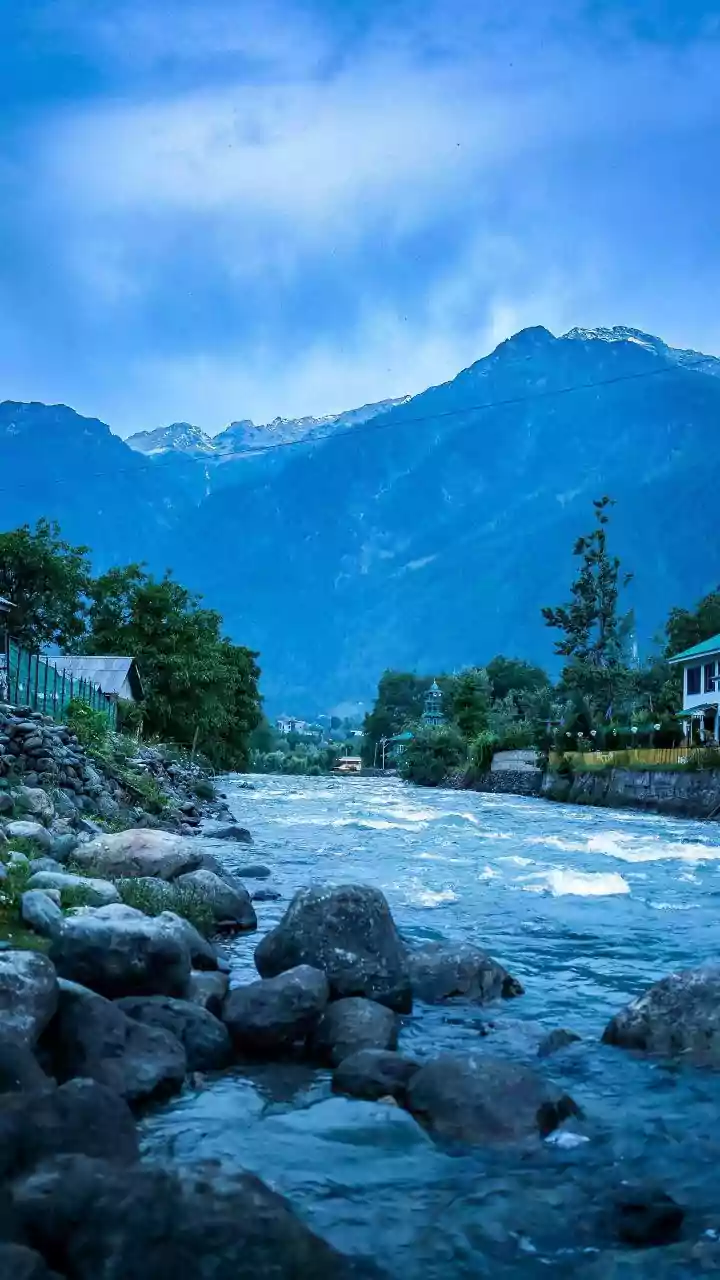
Nestled in the Kullu Valley, Naggar offers a unique blend of history, art, and modern amenities. Once the capital of the Kullu kingdom, its historical charm is evident in the Naggar Castle and the famous Roerich Art Gallery. For remote workers, Naggar presents a more developed and accessible option compared to other offbeat locations. A growing number of homestays and cafes here provide dedicated fibre internet connections, recognizing the needs of their clientele. Its proximity to Manali means better overall infrastructure and multiple transport options, but it remains a peaceful hamlet, ideal for those who want quiet without complete isolation.
Jibhi: Rustic Charm Meets Digital Demands
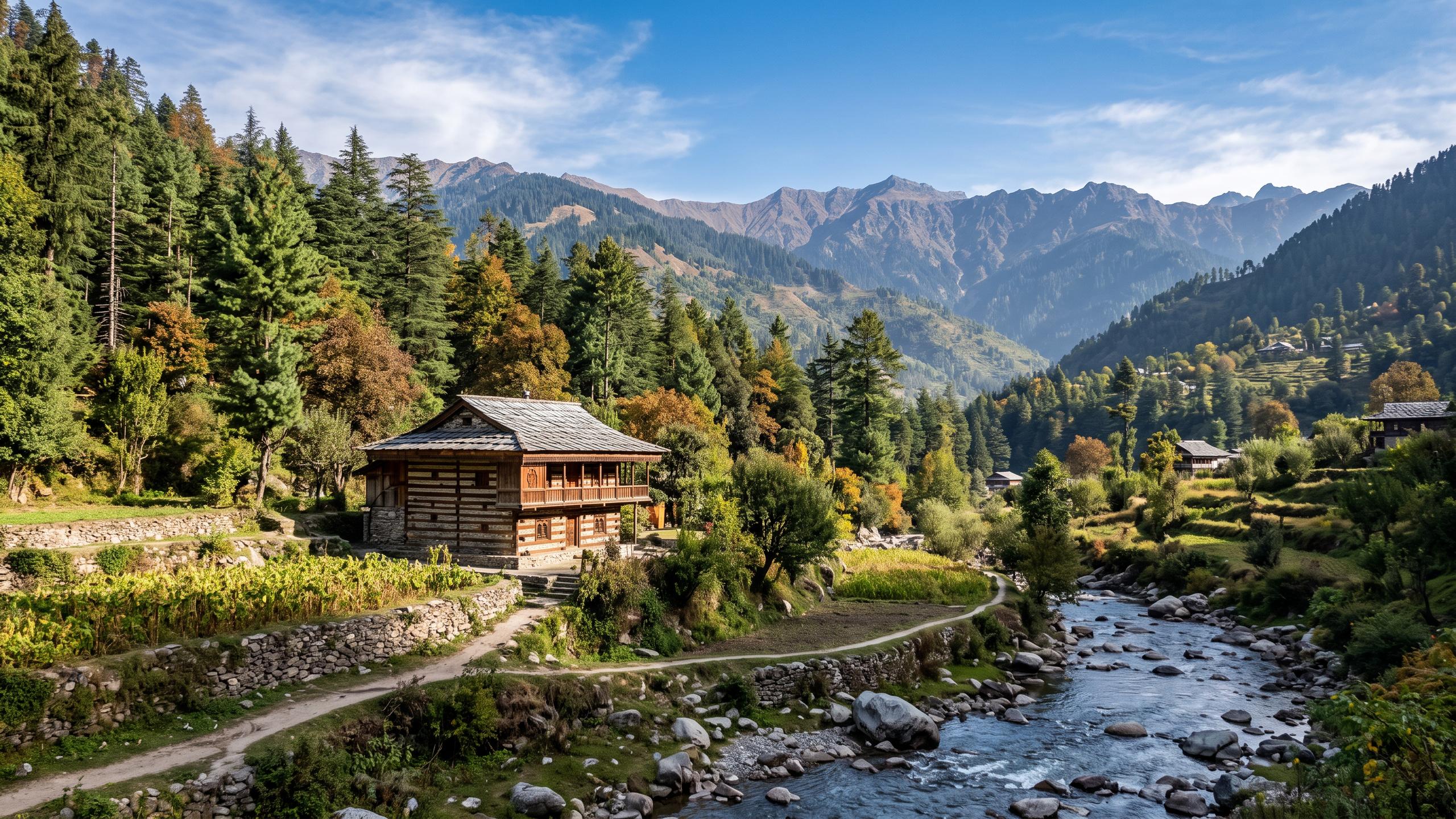
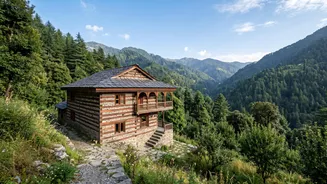
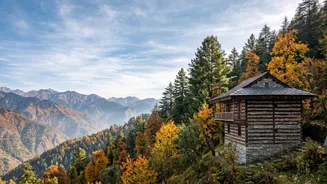
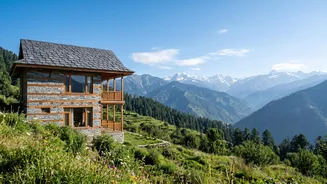
For those seeking a more rustic and offbeat experience, Jibhi in the Tirthan Valley is the answer. Known for its traditional wooden architecture, riverside cafes, and proximity to the Great Himalayan National Park, Jibhi has become an Instagram favourite for good reason. Until recently, it was a destination for digital detox. Now, it's a hotspot for digital nomads. Several homestays and hostels have invested in dedicated fibre broadband, with some properties offering consistent speeds between 30 and 100 Mbps, sufficient for video calls and cloud-based work. While mobile connectivity can still be patchy depending on the exact location, the availability of reliable Wi-Fi in accommodations has been a game-changer.
The Autumn Advantage
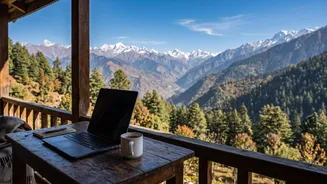
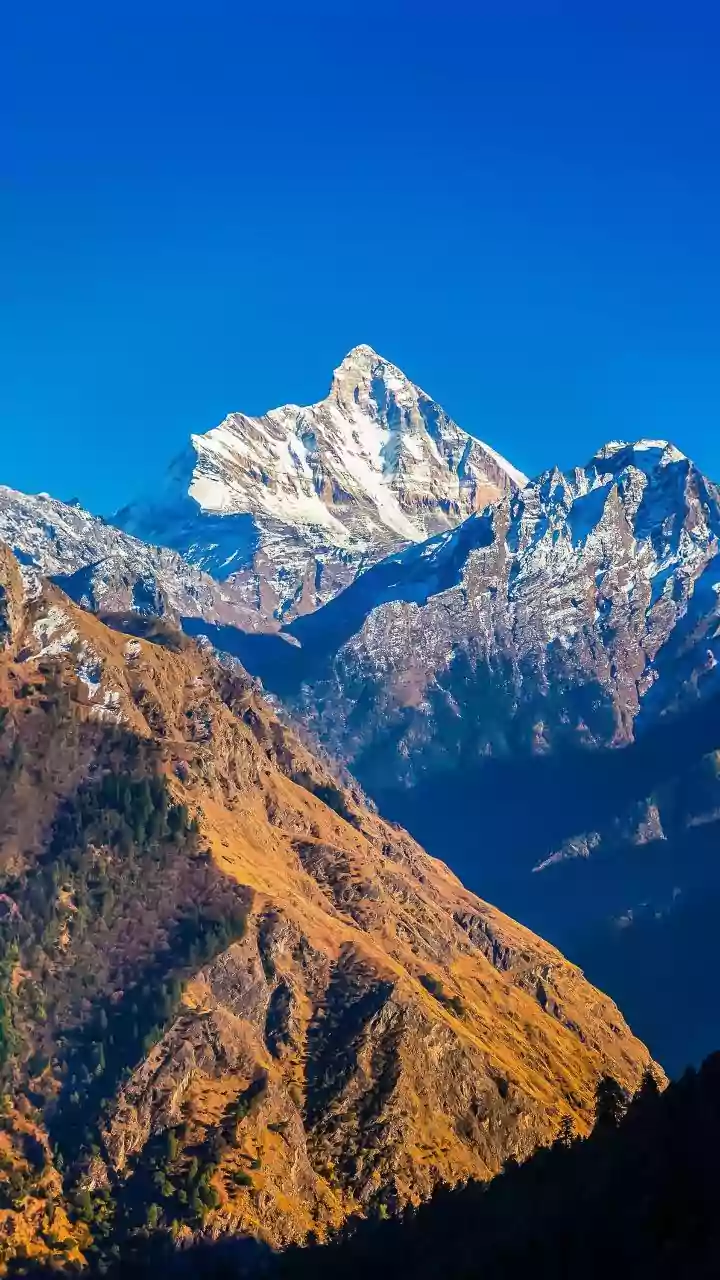
The headline's focus on autumn is no coincidence. September to November is widely considered the perfect season for a Himalayan workation. The monsoon has passed, leaving behind lush green landscapes and washing the air clean, which means crystal-clear views of the snow-capped peaks. The weather is pleasantly cool, ideal for both focused work during the day and evening hikes or cafe-hopping. This period also sees fewer tourists than the peak summer months, resulting in a quieter environment and often more affordable prices for long-stay accommodations. Local harvest festivals like Sair also add a unique cultural flavour to an autumn stay in the region.
A Reality Check on 'High-Speed' Wi-Fi
While the Wi-Fi situation has drastically improved, it's important to set realistic expectations. 'High-speed' in the mountains is not always the same as in the metros. While many properties now offer fibre connections, it's crucial to verify this with your host before booking. Ask specifically if they have a fibre line (like JioFiber or BSNL) or if they rely on mobile hotspots, which can be less stable. Power cuts can also be a factor, so checking for power backup is essential for uninterrupted work. For critical work, having a mobile dongle with a reliable SIM (Jio and Airtel generally work best in these areas) is a wise backup plan. The available speeds are generally robust enough for video meetings and most remote work tasks, but perhaps not for consistently transferring massive files.