

Purity and Composition
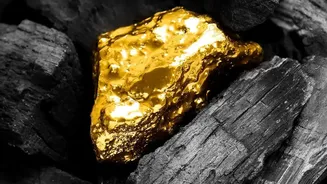
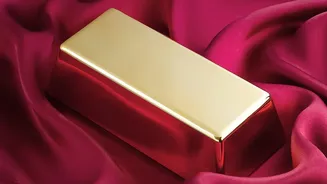
The fundamental difference between 22K and 24K gold lies in their purity. The term 'Karat' measures the purity of gold on a scale of 24. 24K gold is the purest form you can buy, containing 99.9% gold with no other metals mixed in. This gives it a distinct,
rich yellow colour. In contrast, 22K gold, often stamped with '916' to signify its purity, is composed of 91.67% gold. The remaining 8.33% consists of other metals like silver, copper, or zinc. These alloys are not added to dilute the gold but to enhance its properties for jewellery making.
Durability for Lasting Wear
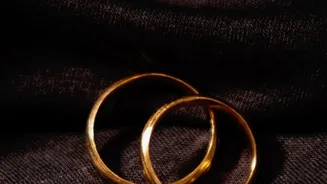
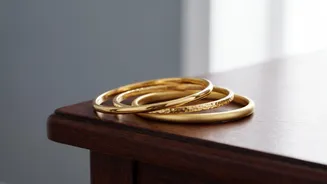
For wedding jewellery that's intended to be worn for years, durability is a primary concern. Pure 24K gold is a very soft and malleable metal. This softness means it is highly prone to scratching, bending, and denting with daily wear, making it unsuitable for most types of jewellery, especially rings and bangles. The addition of alloys in 22K gold makes it significantly harder and more durable. This strength ensures that the jewellery can withstand the rigours of everyday life and maintain its shape over time, which is why most Indian jewellers recommend 22K for ornaments.
Design Intricacy and Craftsmanship
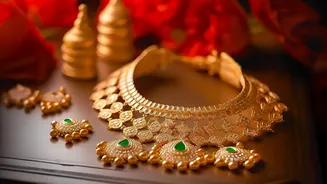
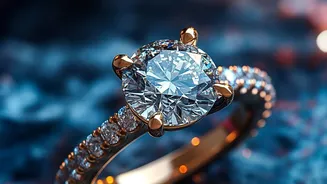
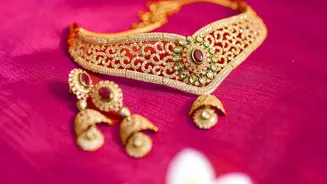
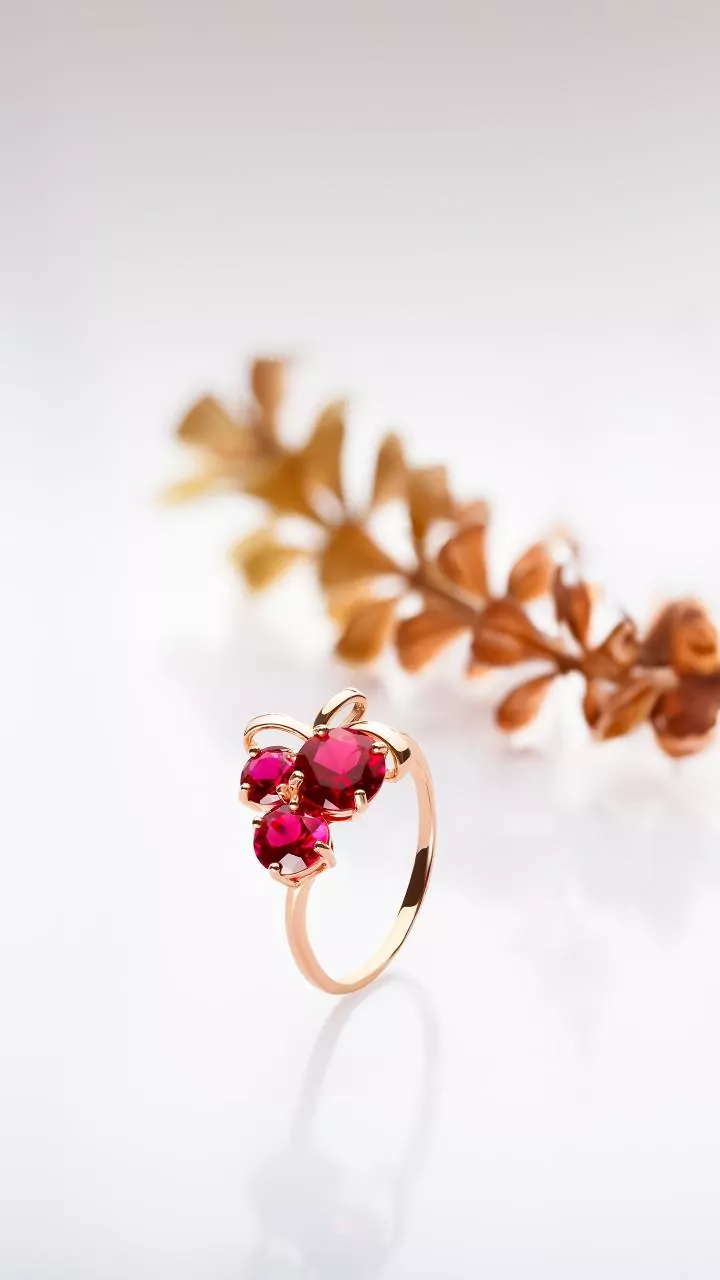
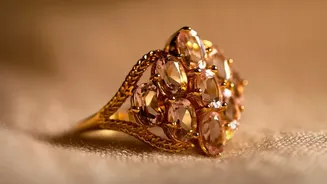
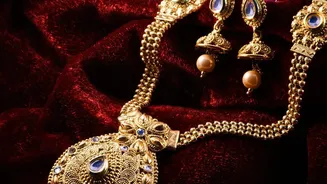
The physical properties of gold also affect the kind of designs that can be created. The softness of 24K gold makes it difficult for artisans to craft intricate, detailed patterns. More importantly, it cannot securely hold gemstones or diamonds in place. The hardness of 22K gold, however, is ideal for detailed craftsmanship. It allows for elaborate designs, including traditional temple jewellery and modern styles, and provides a secure setting for precious stones. This workability makes 22K gold the preferred choice for the vast majority of designer and bridal jewellery.
Cost and Making Charges
While 24K gold has a higher price per gram due to its purity, the final cost of a jewellery piece is more complex. Jewellery pricing includes not just the gold value but also 'making charges', which cover the cost of labour and design. These charges can range from 8% to over 25% of the gold's value. Because 22K gold is used for more intricate designs, its making charges can sometimes be higher than those for simpler 24K pieces. However, the base price of 22K gold is lower. It is essential to ask the jeweller for a complete price breakdown, including the gold rate, weight, making charges, and GST, to understand the final cost.
Investment and Resale Value
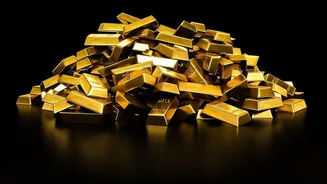
From an investment perspective, the choice becomes clearer. If your primary goal is to hold gold as a store of value, 24K gold in the form of coins or bars is the superior option. Its value is tied directly to the market price of pure gold, and it is universally recognized for its intrinsic worth. When you sell 22K jewellery, the price you receive is based on its gold content, but you do not recover the making charges you paid. While 22K jewellery is an asset, it is first and foremost an item for adornment. 24K gold, on the other hand, is a pure investment vehicle.
The Verdict for Wedding Jewellery
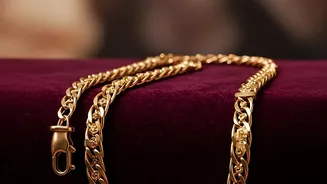
For wedding jewellery that is meant to be worn and cherished, 22K gold strikes the perfect balance. It offers high purity and a beautiful golden lustre while providing the necessary durability for long-term wear and intricate designs. 24K gold is best reserved for investment purposes or for ceremonial items that are not subject to daily handling. Always ensure any gold you purchase is certified with a BIS hallmark, which guarantees its purity. This mark consists of the BIS logo, the karat purity (e.g., 22K916), and a unique identification number.