






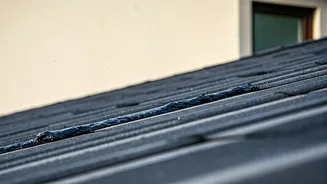


Start with a Thorough Inspection
Before you begin any work, conduct a full 'health check' of your home's exterior. Walk around the property and look for visible signs of wear and tear. Pay close attention to cracks in the plaster, peeling paint, and any dark or damp patches on the walls.
On the roof or terrace, look for cracks in the surface, accumulated debris, and blocked drains. For windows, check the sealing around the frames. Make a list of all the problem areas you identify. This initial survey will help you prioritise tasks and decide whether you need to call in professional help for more significant issues. Don't forget to look at the interior walls for signs of efflorescence (a white, powdery deposit) or bubbling paint, which indicate water seeping in from the outside.
Fortify Your Exterior Walls
Your home's walls are its first line of defence against driving rain. Start by filling any cracks you found during your inspection. Use a good quality crack-filler paste or a cement-polymer mix for larger gaps. Once the filler is dry, the next step is applying a protective coat. Consider using a specialised waterproof exterior paint. These paints form a durable, water-repellent film that prevents moisture from seeping into the plaster. They are often infused with additives that resist the growth of algae and fungus, which are common problems during the humid monsoon months. Applying two fresh coats before the rains can significantly enhance your home's resilience and keep your interiors dry and healthy.
Waterproof Your Roof and Terrace
The roof takes the most direct hit from the rain, making it the most vulnerable part of your house. For flat concrete terraces, which are common in India, waterproofing is non-negotiable. First, thoroughly clean the entire surface, removing all dust, debris, and plant growth. Ensure that all drainage pipes and outlets are completely clear to prevent waterlogging. Inspect the surface for any cracks and seal them immediately. Next, apply a reliable waterproofing coating. There are many options available, from liquid membranes that form a seamless layer to bitumen-based treatments. For best results, apply multiple coats as per the manufacturer's instructions. This creates a robust barrier that will prevent water from percolating down into the slab and causing damp ceilings and structural damage below.
Seal Windows and Doors
Leaky windows are a major source of frustration during the monsoon. Wind-driven rain can easily find its way through small gaps in window frames, leading to water stains on walls and damaged wooden furniture. Inspect the sealant (often silicone) around your window frames. If it's cracked, peeling, or has gaps, it's time to replace it. Scrape out the old sealant and apply a fresh bead of waterproof silicone caulk. For wooden window frames that may have swollen or warped, check if they close properly. A carpenter may be needed to adjust them. Also, check any small weep holes at the bottom of window tracks and ensure they are clear, as they are designed to drain away collected water. Don't forget to check the doors that open to balconies or the outside.
Don't Forget Balconies and Electricals
Your preparation isn't complete without checking the smaller details. Ensure the drainage outlets in your balconies are completely clear of leaves, soil, and other debris to prevent your balcony from turning into a swimming pool that overflows into your home. Check all outdoor electrical fittings, such as exterior lights, doorbells, and AC units. Make sure they are properly insulated and covered to prevent short circuits, which are a serious hazard during heavy rains. Any exposed wiring should be immediately addressed by a qualified electrician. These final checks provide an extra layer of safety and preparedness for a worry-free monsoon.