




Your Garden, A Mosquito Nursery
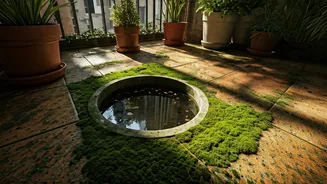
The connection between gardening and public health becomes critical during the monsoon. Stagnant water, even in small amounts, is all that is needed for mosquitoes to breed. The Aedes aegypti mosquito, a primary carrier for dengue, chikungunya, and Zika,
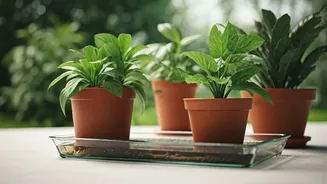
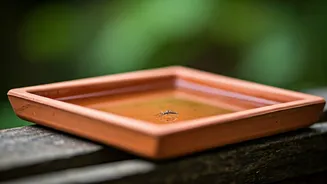
famously breeds in clean, standing water. This means the trays under your potted plants, clogged drain holes, and even water collected in the leaves of some plants can become active breeding sites. Surveys in Indian cities have repeatedly found that a significant percentage of mosquito breeding occurs in and around homes, with flowerpot saucers being a major culprit. A single female mosquito can lay hundreds of eggs, and in the warm, humid monsoon weather, these can develop into adults in as little as a week. What seems like a harmless puddle in a plant tray can contribute to a neighborhood-wide health crisis.
From Waterlogged Plants to Public Health Risk
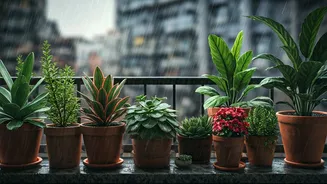
Monsoon diseases like dengue, malaria, and chikungunya see a predictable spike in India every year, largely driven by the proliferation of mosquito breeding grounds. While we often blame public spaces like ditches and drains, our homes are significant contributors. The responsibility for preventing these diseases extends to our personal spaces, including our gardens and balconies. Treating plant care as a matter of public health means recognizing that every pot without proper drainage is a potential hazard. This isn't just about keeping your own family safe; since mosquitoes have a limited flight range, a breeding site in your home directly threatens your immediate neighbors, making individual vigilance a form of community care. Health authorities consistently emphasize that eliminating stagnant water at home is one of the most effective ways to combat the spread of these vector-borne diseases.
Mastering Monsoon Drainage
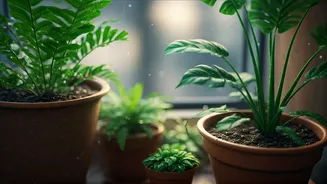
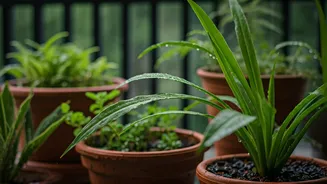
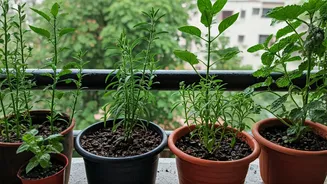
The single most important step is to prevent water from collecting. Ensure every pot has functional drainage holes at the bottom. During the monsoon, it's wise to lift your pots off the ground using bricks, pot feet, or simple stands. This small gap prevents the drainage holes from getting blocked and allows excess water to flow away freely. Crucially, you must empty the saucers or plates under your pots daily. Never let a plant sit in a tray full of water, as this not only invites mosquitoes but also causes root rot, which can kill the plant. If you have plants that naturally hold water in their leaves, like some bromeliads, it's best to flush them out with fresh water regularly or avoid keeping them in high-risk areas.
Smarter Soil and Watering Habits
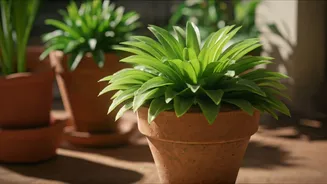
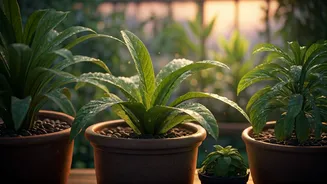
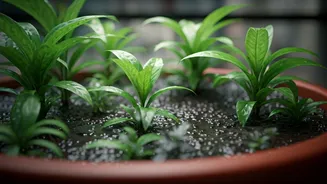
Healthy plants are more resilient, but monsoon care requires a shift in routine. First, avoid overwatering. With high humidity and frequent rains, plants need far less water than in dry seasons. Before watering, check the soil by inserting a finger an inch deep; if it feels damp, wait another day. Using a well-draining soil mix is also essential. Amending heavy clay soil with compost, sand, or cocopeat improves its structure and prevents it from becoming a waterlogged mass. Terracotta or clay pots are often better for the monsoon than plastic ones because their porous nature allows excess moisture to evaporate. Periodically loosening the top layer of soil with a small fork helps aerate the roots and improves drainage, preventing compaction from heavy rain.
Pruning, Pests, and Prevention
A well-maintained garden is a less hospitable place for pests. Pruning your plants during the monsoon is important. Trimming excess leaves and stems improves air circulation, which helps prevent the fungal diseases that thrive in damp conditions. It also reduces the leafy cover where adult mosquitoes can hide during the day. Keep an eye out for common monsoon pests and fungal growth like white powdery mildew on leaves. Removing affected leaves immediately can stop the problem from spreading. For a more proactive approach, some gardeners recommend planting natural mosquito repellents like neem, lemongrass, basil, and lavender around sitting areas to create a more pleasant and safer environment.