



Perfect Paw Protection
Your pet’s paws are on the frontline, constantly in contact with wet, muddy, and potentially contaminated surfaces. [4] This makes them highly susceptible to pododermatitis, an inflammation of the paw skin. [2] After every single walk, no matter how short,
it is vital to clean and dry their paws thoroughly. Use lukewarm water to wash away dirt, paying close attention to the spaces between their toes where moisture and fungi love to hide. [4, 11] Dry them completely with a soft towel or even a blow-dryer on a low, cool setting. [2] For long-haired breeds, trimming the fur around the paw pads can prevent mud and debris from getting trapped. [5] Consider using a vet-approved paw balm to create a protective barrier. [4]
Keep Their Coat Dry and Healthy
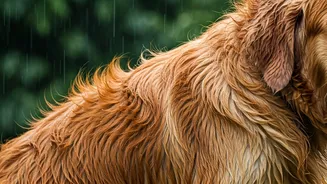
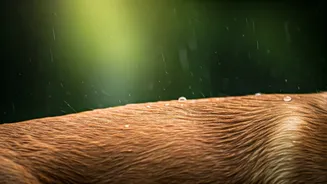
A perpetually damp coat is one of the biggest culprits behind skin problems during the monsoon. [5] The constant moisture weakens the skin's natural barrier, inviting fungal and bacterial infections like the notorious 'hot spots' (acute moist dermatitis) and ringworm. [15, 18] Make it a rule to towel-dry your pet thoroughly every time they get wet. Regular, even daily, brushing is essential to remove dirt, prevent matting, and improve air circulation through the fur. [3] This season may also be a good time to keep their coat trimmed shorter for easier management. [17] If you notice any redness, persistent itching, or a musty odour, it's a sign that an infection might be brewing. [15]
The War on Parasites
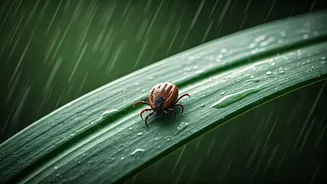
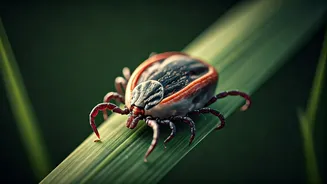
Monsoon is prime breeding season for ticks and fleas, with some estimates suggesting their populations can explode by 300-400% during these months. [9, 14] These parasites are not just a nuisance; they transmit dangerous diseases like tick fever. [12] Adherence to a strict pest prevention schedule is non-negotiable. Consult your veterinarian about the best options, which may include spot-on treatments, oral chewable tablets, or medicated collars. [2, 12] Perform daily checks of your pet’s coat, especially in warm, hidden areas like under the ears, in the armpits, and around the tail. [14] Maintaining a clean home by regularly washing your pet's bedding in hot water and vacuuming can also help break the life cycle of these pests. [7, 17]
Guard Against Gut and Ear Troubles
The risk of waterborne diseases increases dramatically during the monsoon. Never allow your pet to drink from puddles or stagnant water, which can be contaminated with harmful bacteria like Leptospira. [2, 6] Always provide fresh, clean, and preferably boiled or filtered drinking water. [3] The high humidity also creates a perfect environment for ear infections, especially in dogs with floppy ears. [13] Moisture gets trapped in the ear canal, leading to yeast and bacterial overgrowth. [8] Clean your pet's ears regularly with a vet-approved solution and a soft cloth, ensuring they are kept dry. [2, 3]
A Clean Indoor Sanctuary
As your pet will likely be spending more time indoors, maintaining a clean and dry home environment is key. Use doormats and have towels ready at the entrance for immediate wipe-downs after walks. [7] Wash and completely dry all pet bedding, mats, and toys frequently to prevent the growth of mould and fungal spores. [5, 6] Ensure your home is well-ventilated to reduce overall indoor humidity. [7] Providing engaging indoor activities, such as puzzle toys or training sessions, can help burn off energy on days when walks are cut short by heavy rain, keeping your pet both physically and mentally stimulated. [3, 8]