



Beyond the Fad Diet Fatigue
In a world saturated with keto, paleo, intermittent fasting, and a million other complex diet plans, a quiet rebellion is taking place in Indian kitchens. It doesn’t have a flashy name or a celebrity endorsement. It’s simple, sustainable, and deeply familiar.
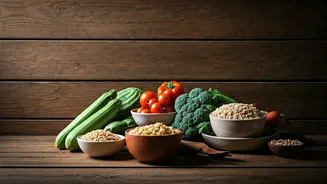
Dubbed the ‘Lentils plus Greens’ approach, it’s less of a diet and more of a philosophy—a conscious decision to return to the basics of Indian home cooking. At its heart, it’s about building your meals around two cornerstones of our cuisine: dal (lentils) and sabzi (vegetables). This isn't about deprivation or counting calories. Instead, it’s a rejection of the anxiety-inducing diet culture that often demonises carbohydrates like rice and roti, promoting a balanced plate that feels both nourishing and emotionally satisfying.
What Makes It ‘Intuitive’?
The magic ingredient in this approach is the concept of ‘intuitive eating’. This principle encourages you to become the expert of your own body. It means paying attention to hunger and fullness cues, eating when you’re hungry and stopping when you’re satisfied. It’s about ditching the 'good food' versus 'bad food' mentality and making peace with all foods. For many young Indians, this feels like a radical idea, yet it’s how our grandparents likely ate for generations—before diet apps and nutritional macros dominated the conversation. An intuitive approach to 'dal-sabzi' means you might have a larger portion of rice on a day you’ve been more active, or add a dollop of ghee because your body craves it, without the associated guilt. It’s about trust, not rules.
A Return to 'Ghar ka Khana'
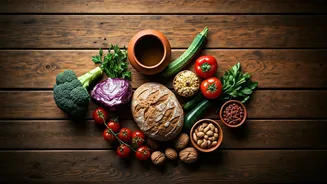
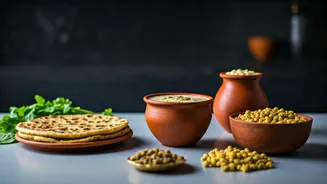
This trend isn’t an invention; it’s a rediscovery. The concept of a balanced meal comprising a protein source (dal), a variety of vegetables (sabzi), a complex carbohydrate (roti/rice), and perhaps some yoghurt (dahi) is the blueprint of the traditional Indian thali. For decades, this was simply 'ghar ka khana'—the default, unquestioned way of eating. Young Indians are now consciously choosing this template, not out of habit, but as a deliberate wellness strategy. They are recognising the inherent wisdom in these meals, which were designed for nutritional completeness and digestibility. This modern embrace is different because it’s informed by a global wellness conversation, but its solution is proudly local and time-tested. It’s about finding modern health solutions in ancient wisdom.
The Nutritional Power Combo
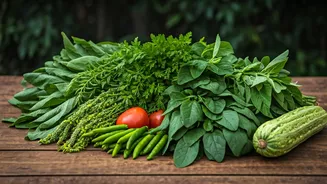
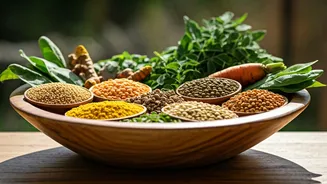
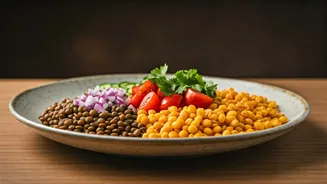
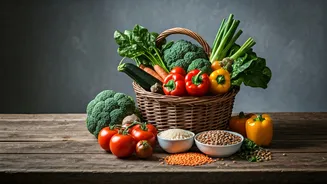
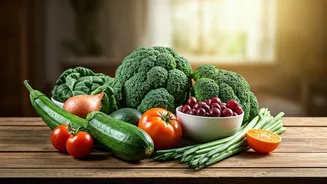
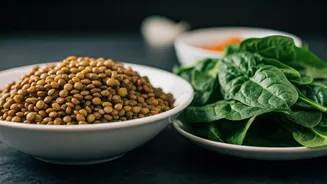
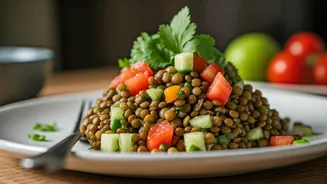
The pairing of lentils and greens is a nutritional masterstroke. Lentils are a fantastic source of plant-based protein, essential for muscle repair, and packed with dietary fibre, which aids digestion and promotes a feeling of fullness. This helps in managing weight naturally without feeling starved. Greens, whether it’s spinach, fenugreek (methi), or gourd (lauki), are loaded with vitamins, minerals, and antioxidants. They provide the micronutrients that complex diet plans often miss. Together, they create a low-glycemic meal that provides sustained energy, preventing the sharp blood sugar spikes and crashes associated with processed foods. This combination supports everything from gut health to stable energy levels, making it an ideal foundation for a healthy lifestyle.
Why It Resonates with Young Indians
The popularity of this intuitive, homegrown approach stems from several cultural and practical factors. Firstly, there is a growing sense of pride in Indian culture and traditions. Young people are looking for authentic wellness practices that resonate with their identity. Secondly, it’s incredibly practical. The ingredients are affordable, accessible, and the cooking methods are familiar to most Indian households. In a fast-paced world, being able to whip up a quick dal and sabzi is far more sustainable than sourcing expensive, imported 'superfoods'. Finally, it offers comfort. A warm bowl of dal is more than just food; it’s a feeling of home and security—a powerful antidote to the stress and anxieties of modern life.