




Why a Safe Room Works
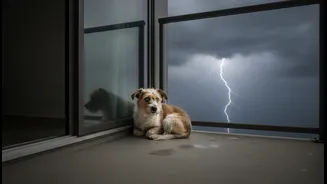
A pet’s fear during a thunderstorm is a complex reaction to loud noises, barometric pressure changes, and even static electricity. A designated safe space works by tapping into a dog's natural denning instinct. In the wild, a den provides a secure, enclosed
area that muffles outside threats and offers a sense of control. By creating a similar environment in your home, you give your pet a predictable sanctuary where they can retreat and feel protected from the overwhelming sounds and flashes of a storm. The goal is to provide a place where they feel less vulnerable, which can significantly reduce pacing, panting, and other common signs of anxiety.
Choosing the Right Location
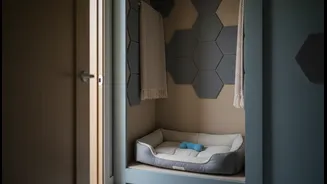
The ideal location for a safe room is an interior space with few or no windows. Basements, walk-in closets, and bathrooms are excellent choices because their central location naturally dampens sound and blocks out frightening flashes of lightning. If you don't have a windowless room, choose one where you can draw the curtains or blinds to block visual triggers. The space should be accessible to your pet at all times, especially if a storm might roll in while you're not home. Watch where your pet naturally tries to hide when they're scared; they might show you the best spot to set up their new haven.
Creating a Comfortable Haven
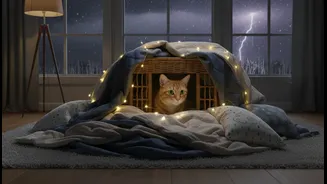
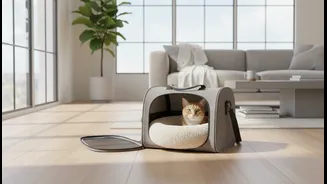
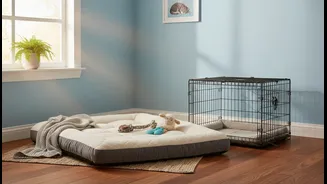
Outfitting the room correctly is key to making it inviting. Start with comfortable bedding, like your pet's favorite bed or a soft blanket. Including an item of your clothing, such as an old t-shirt, can provide comfort through your familiar scent. Make sure a spill-proof water bowl is available. To help mask the storm's noise, consider adding a white noise machine, a fan, or playing calming music. You can also stock the room with high-value distractions, like a favorite chew toy or a food puzzle. For dogs who are crate-trained, their crate can become the centerpiece of the safe room, draped with a blanket to make it even more den-like. However, always leave the crate door open so your pet never feels trapped.
The Secret to Success: Positive Association
A safe room will not be effective if it’s only used during scary events. Your pet must associate the space with positive, calm feelings long before a storm arrives. Start by introducing the room during calm weather. Lure your pet inside with treats, praise, and special toys. Feed them their meals in the space or leave a long-lasting chew for them to enjoy there. Keep these introductory sessions short and positive, never forcing your pet to stay if they are uncomfortable. The goal is for your pet to see the room as a place for rest and reward, not a place of confinement. Over time, they will learn to retreat there on their own when they start to feel anxious.
During the Storm and Beyond
When a storm begins, stay calm yourself, as pets often take emotional cues from their owners. Gently encourage your pet to go to their safe room, but don't force them. Once there, you can sit with them quietly or let them be, depending on what they seem to prefer. For some pets, a safe room is one part of a larger strategy. Other calming aids can be helpful, such as anxiety wraps that apply gentle, constant pressure. Pheromone diffusers can also promote a sense of well-being. If your pet’s anxiety is severe—leading to destructive behavior or self-injury—it is crucial to consult a veterinarian. They can rule out any underlying medical issues and may recommend specific behavior modification plans or anxiety medications to provide relief.