


A Shift in Festive Indulgence
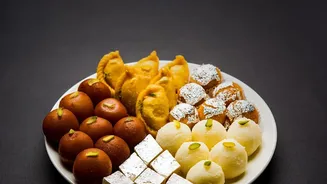
For generations, Indian festivals have been synonymous with sweets laden with ghee, sugar, and refined flour (maida). While delicious, growing health consciousness has led many to seek alternatives that don't compromise on the celebratory spirit. Enter
millet-based desserts. This trend is driven by a powerful shift in urban lifestyles, where wellness, clean eating, and an awareness of lifestyle-related health issues are top priorities. Families are no longer just counting calories; they are seeking nutritional value, and millets, once a staple of rural diets, are now being celebrated as superfoods in city kitchens.
The Mighty Millet Makes a Comeback
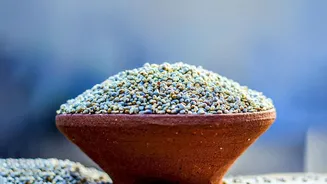
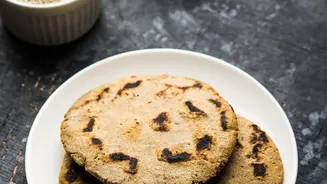
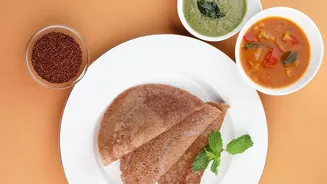
So why are millets suddenly the talk of the town? Their resurgence is no accident. A combination of government initiatives, like the International Year of Millets, and a general wellness wave has put these ancient grains back in the spotlight. Grains like ragi (finger millet), jowar (sorghum), and bajra (pearl millet) are being rediscovered for their impressive nutritional profiles. Once dismissed, they are now seen as a smart, sustainable choice, especially in urban areas where consumers are actively looking for ingredients that are both healthy and environmentally responsible.
The Nutritional Advantage
The primary appeal of millet sweets lies in their health benefits. Compared to desserts made with refined flour, millets offer a powerhouse of nutrients. They are naturally gluten-free, making them suitable for people with sensitivities. Furthermore, they are rich in dietary fibre, protein, iron, and calcium. One of the most significant advantages is their lower glycemic index, which means they release sugar into the bloodstream more slowly, preventing the sharp energy spikes and crashes associated with sugary treats. This makes them a more suitable option for individuals managing their weight or blood sugar levels.
Tradition Reimagined on a Platter
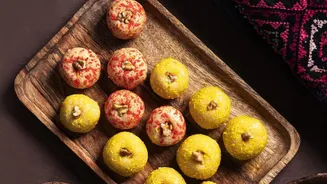
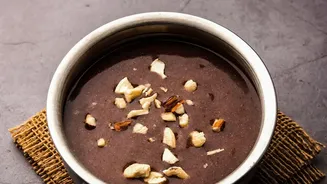
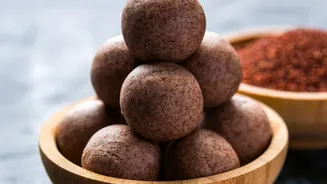
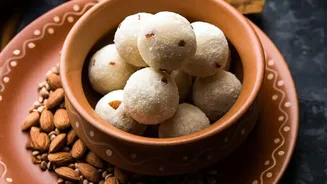
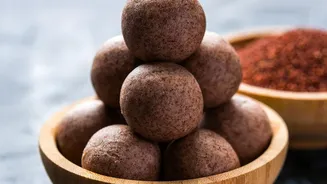
This trend isn't about replacing traditional sweets but reimagining them. Chefs and home cooks are creatively adapting classic recipes. Imagine biting into a soft Ragi Laddu, a flavourful Jowar Halwa, or a creamy Foxtail Millet Kheer. These desserts maintain the essence and form of beloved Indian mithai—the comforting shapes, the aromatic spices, and the celebratory feel—but are made with a healthier base. Many recipes also swap refined sugar for natural sweeteners like jaggery or dates, further boosting their nutritional credentials.
The Urban Appetite for Wellness
The demand for millet-based sweets is particularly strong in metropolitan India. Urban consumers are typically more exposed to global health trends and have a greater willingness to experiment with new food products. They read labels, value clean ingredients, and are often willing to pay a premium for products that align with their health and lifestyle goals. The rise of boutique online stores and health-focused cafes has made these niche products more accessible, allowing city dwellers to easily incorporate these nutritious treats into their festive menus and daily lives.