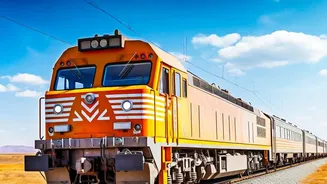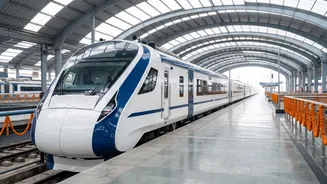

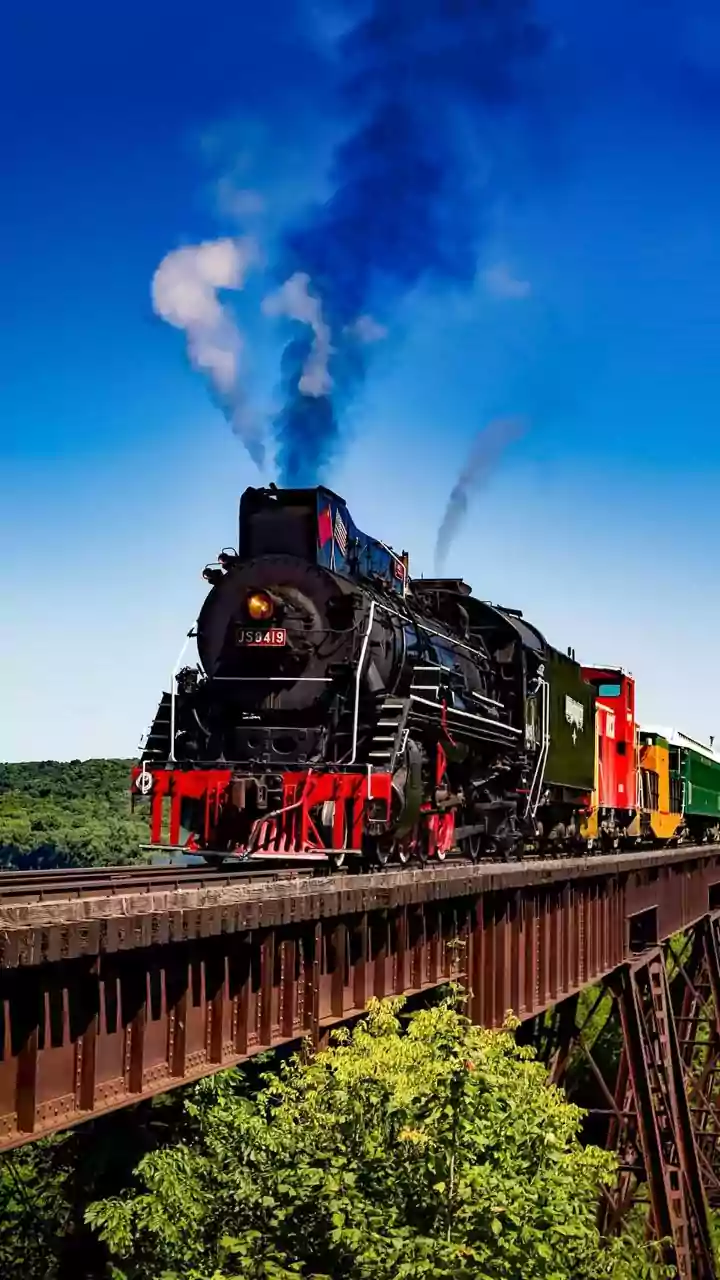


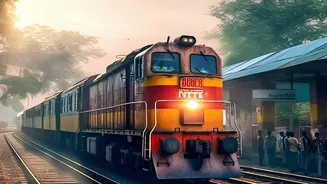
What Exactly Are Special Trains?
Think of special trains as temporary reinforcements during a battle—the battle for a confirmed ticket during peak festive seasons like Diwali and Chhath Puja. These trains, often identified by a 5-digit number starting with '0', are not part of the permanent
railway timetable. Instead, Indian Railways introduces them for limited periods to clear the massive passenger rush when regular trains are booked solid months in advance. They run on high-demand routes, such as those connecting metro cities like Delhi, Mumbai, and Bengaluru to towns in Uttar Pradesh and Bihar, utilizing spare or idle coaches to create additional capacity.
The Crucial Difference: Booking Windows
The single most important distinction for any planner is the booking window. For most regular mail and express trains, you can book your ticket up to 120 days before your travel date. For Diwali 2026, which falls on November 8, this window opened back in July. In stark contrast, special trains operate on a much shorter and less predictable schedule. Announcements for these trains are typically made by zonal railways just a few weeks—sometimes only 10 to 30 days—before their departure date. This makes them an excellent option for last-minute planners, but it also creates intense, concentrated competition for seats the moment they are announced.
The Fare Factor: Expect to Pay More
Convenience comes at a cost. Special trains almost always have higher fares than their regular counterparts. This is because Indian Railways applies a 'special fare' surcharge, which can be anywhere from 10% to 30% higher than the base fare of a regular mail or express train, similar to Tatkal rates. For example, a regular superfast sleeper ticket from Bengaluru to Danapur might cost around ₹995, while the same journey on a special train could be ₹1,170. This premium covers the operational costs of running these temporary services during congested periods. It’s a trade-off: you pay more for a higher chance of getting a confirmed seat when all other options are exhausted.
On-Time Performance and Amenities
The term 'special' does not imply priority. In fact, the opposite is often true. Regular scheduled trains like the Rajdhani, Shatabdi, and Vande Bharat have the highest priority on the tracks. Special trains are often slotted in between these services, which means they are frequently looped at intermediate stations to let regular trains overtake them. Consequently, delays of a few hours are common, so it's wise to build a buffer into your travel itinerary. Amenities can also be a mixed bag. Since these trains often use spare rakes, the cleanliness and onboard facilities might not match the standards of premium, regularly-scheduled trains. Some may not have a pantry car, affecting access to meals on long journeys.
Cancellation Rules and Refunds
Before you book, it's vital to understand the cancellation policies. For confirmed tickets on most '0'-series special trains, the standard IRCTC refund rules apply, which are based on how far in advance you cancel. However, a different category of dynamically priced special trains, called Suvidha trains (numbered 82xxx), has much stricter rules, with only a 50% refund on cancellations. If your ticket on a standard special train remains waitlisted after the chart is prepared, it will be automatically cancelled, and you'll receive a full refund. Similarly, if the railway cancels the train for operational reasons, you are entitled to a 100% refund without filing a TDR.
So, Which One Should You Choose?
Your choice depends entirely on your planning style and priorities. If you are an early planner, your best and most economical option is to book a regular train the day the 120-day window opens. Set a reminder, save passenger details on the IRCTC portal beforehand, and be ready to book at 8 AM sharp. If you missed that window or are making last-minute plans, special trains are your lifeline. Be vigilant for announcements from zonal railways and be prepared to book immediately. While you'll likely pay more and may face a less predictable schedule, a special train can be the difference between being waitlisted and making it home for the festival.