

From Traditional Habit to Artisanal Treat
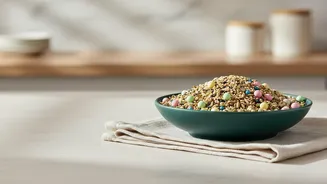
For generations, mukhwas has been an integral part of Indian culture and hospitality. Served from a simple bowl after meals, this blend of seeds and spices serves a dual purpose: freshening the breath and aiding digestion. Traditionally, the industry
has been dominated by local vendors and small-scale manufacturers, with quality and ingredients often being inconsistent. This unorganised market relied on familiar, often sugar-heavy, recipes passed down through generations, packed in simple plastic pouches with minimal branding. It was a functional product, but one that hadn't evolved alongside other food categories in the country.
A New Generation Reimagines Mukhwas
Recognising a gap in the market, a fresh crop of entrepreneurs is elevating mukhwas from a commodity to a craft product. Brands like JoySpoon, founded by husband-and-wife duo Vaishali and Yash Mehta, are at the forefront of this movement. They saw an opportunity to modernise mukhwas by focusing on clean labels, premium ingredients, and sophisticated packaging. The inspiration for JoySpoon came from Vaishali's family tradition of preparing natural mukhwas at home, combined with Yash's exposure to the global demand for healthier food options. This new approach targets a growing segment of health-conscious consumers who are seeking transparency and quality in the products they consume.
The Power of Natural Ingredients
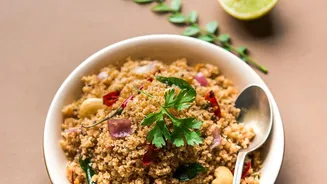
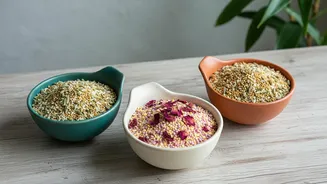
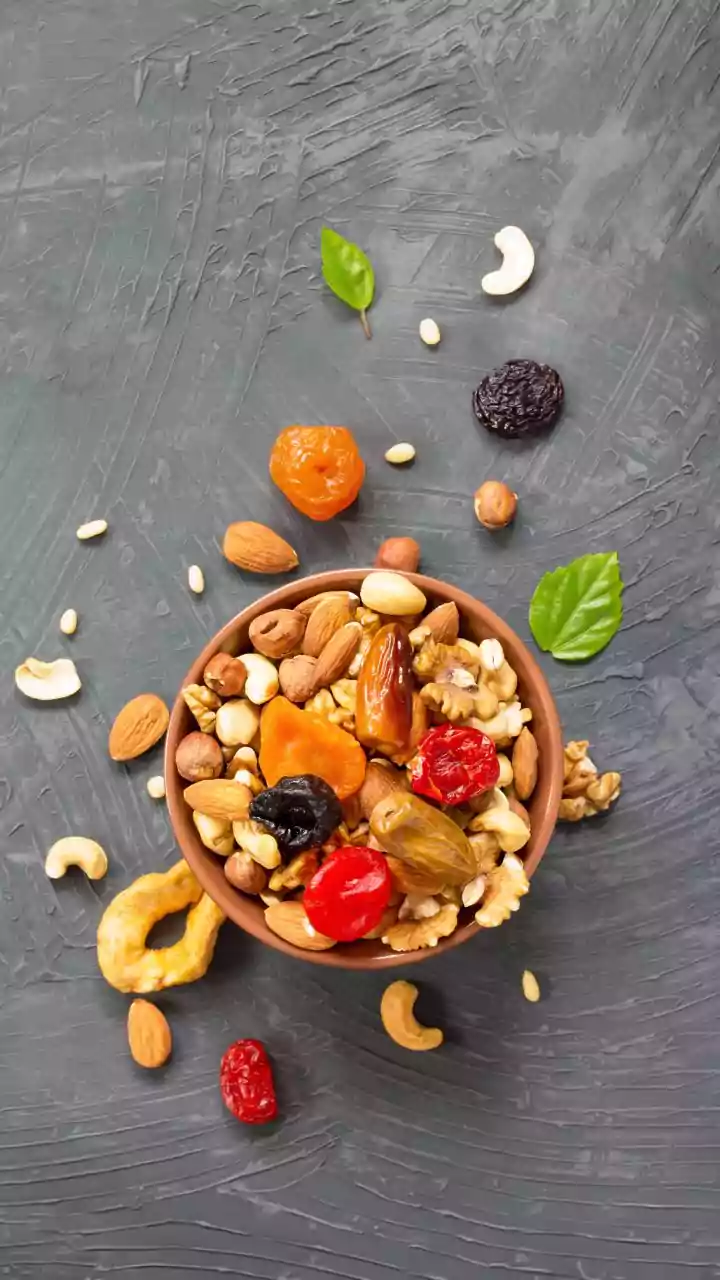
What sets these new-age mukhwas blends apart is their commitment to natural ingredients. Instead of artificial colours and excessive sugar, these brands are using natural alternatives like jaggery and coconut sugar. JoySpoon, for example, claims to have reduced sugar content by 50-60% in their products. The focus is on functionality-based mukhwas, using ingredients known for their digestive benefits in Ayurveda, such as fennel (saunf), ajwain (carom seeds), and flax seeds. These are often blended with high-quality nuts, seeds, and even dehydrated fruits to create complex textures and flavours. The goal is to offer a product that not only tastes good but also promotes wellness, addressing concerns like acidity and bloating.
A Symphony of Modern Flavours
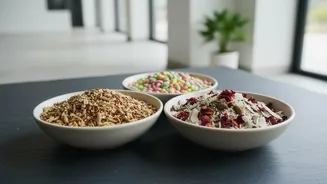
This modern renaissance has also ushered in an exciting array of new flavours. While traditional fennel-based mixes remain popular, entrepreneurs are experimenting with creative combinations. Consumers can now find blends like Cashew Rose, Almond Delight, and even Calcutta Paan in a clean, supari-free format. Other brands are offering everything from chocolate-coated saunf and tangy masala pops to wellness-focused blends with licorice and flax seeds. This innovation caters to a more adventurous palate, transforming the humble mouth freshener into a gourmet indulgence that can be enjoyed anytime, not just after a meal.
More Than a Mouth Freshener
With premium packaging and unique flavour profiles, artisanal mukhwas is being repositioned in the market. No longer just a restaurant counter staple, it is now being sold as a thoughtful gifting item, a healthy snack, and an everyday essential for the modern consumer. These brands leverage direct-to-consumer (D2C) models and are available on major e-commerce platforms, making them accessible to a nationwide audience. The vision, as articulated by entrepreneurs like Yash Mehta, is to take an indigenous product to the global stage, much like how traditional Indian beverages were reinvented for a new generation. This evolution signifies a cultural shift, celebrating and preserving heritage by making it relevant and desirable for today's world.