
The Science of a Safe Stretch
Flexibility isn't just about being able to touch your toes; it's about the healthy range of motion in your joints, which helps prevent injury and reduce stiffness in daily life. Yoga is particularly effective because it works by slowly and mindfully lengthening
muscle fibres and the connective tissues, known as fascia, that surround them. Unlike some forms of aggressive stretching, yoga combines movement with conscious breathing. This helps calm the nervous system, which in turn allows your muscles to relax and release tension instead of reflexively tightening up. The practice often involves both static stretching, where a pose is held for a period, and dynamic stretching, where you move fluidly between poses. This combination encourages long-term improvements in muscle elasticity, allowing for a gradual and safe increase in your overall range of motion.
Cat-Cow Stretch (Marjaryasana-Bitilasana)
This is a foundational movement that serves as an excellent warm-up for the spine. Start on your hands and knees, with your wrists aligned under your shoulders and knees under your hips. As you inhale, drop your belly towards the floor and look up, arching your back into Cow Pose. As you exhale, round your spine toward the ceiling, tucking your chin to your chest for Cat Pose. This gentle flow between two positions warms up the back, improves spinal mobility, and introduces the critical yoga concept of linking breath to movement, which is essential for a safe practice.
Downward-Facing Dog (Adho Mukha Svanasana)
One of the most iconic yoga poses, Downward-Facing Dog is a fantastic full-body stretch. From your hands and knees, tuck your toes and lift your hips up and back, forming an inverted 'V' shape with your body. Your head should hang loosely between your upper arms. For beginners, it's important to keep your knees generously bent to protect your lower back and focus on lengthening your spine. You can 'pedal' your feet by bending one knee and then the other to gently stretch your hamstrings and calves. This pose strengthens the arms and shoulders while lengthening the entire back side of the body.
Child's Pose (Balasana)
Child's Pose is a resting posture that offers a gentle stretch for the hips, thighs, and lower back. Kneel on the floor, touch your big toes together, and sit back on your heels with your knees as wide as your mat. Fold forward, extending your arms out in front of you or resting them alongside your body. This pose is incredibly beneficial for relieving tension and is a great position to return to anytime you feel fatigued during your practice. It encourages relaxation and a gentle release in the hips and spine without demanding intense flexibility.
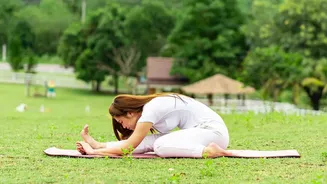
Seated Forward Bend (Paschimottanasana)
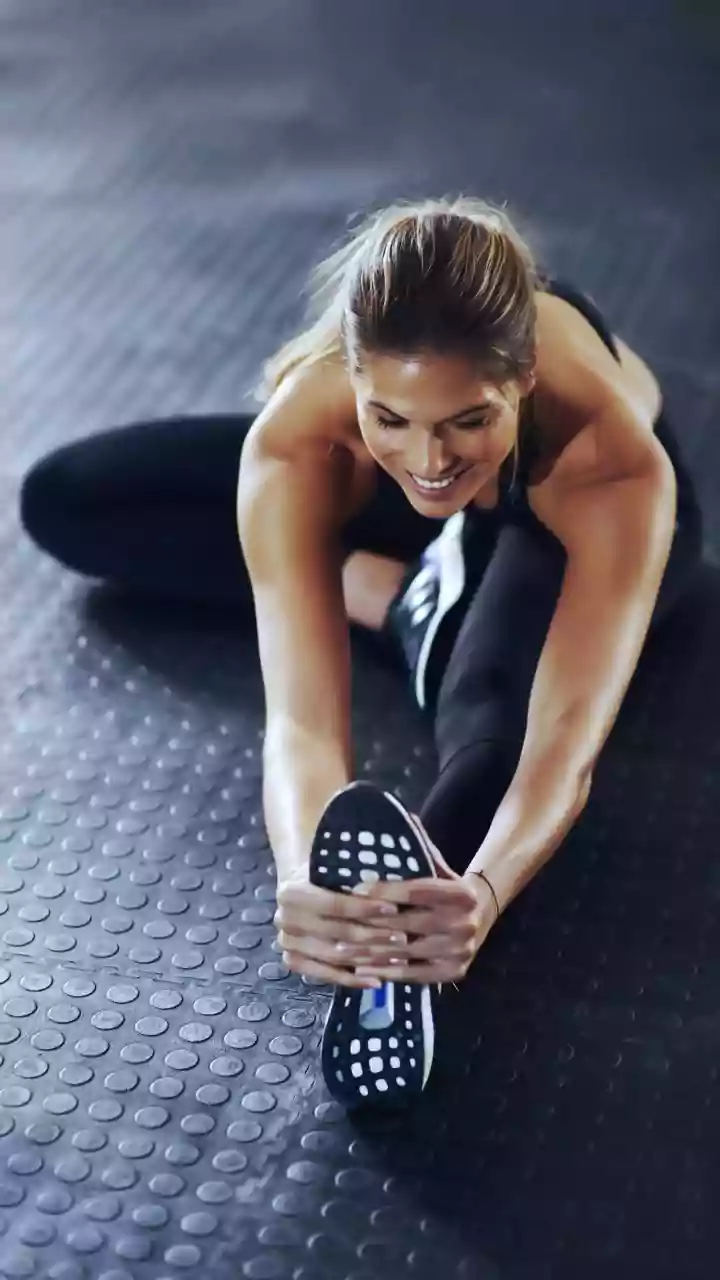
This pose is a deep stretch for the hamstrings and the entire back of the body. Sit on the floor with your legs extended straight out in front of you. You can sit on a folded blanket to help tilt your pelvis forward if your hamstrings are tight. Inhale to lengthen your spine, and as you exhale, begin to hinge forward from your hips, not your waist. Don't worry about reaching your toes; instead, focus on keeping your back straight and simply let your hands rest on your shins or thighs. This ensures the stretch targets your hamstrings effectively and safely.
Low Lunge (Anjaneyasana)
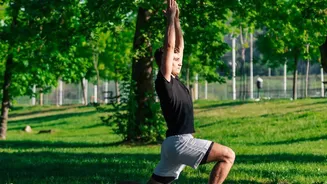
Tight hip flexors are common, especially for those who sit for long periods. The Low Lunge is a perfect counter-stretch. From a tabletop position, step one foot forward between your hands, ensuring your front knee is directly over your ankle. Slide your back knee further behind you until you feel a comfortable stretch in the front of your hip and thigh. You can keep your hands on the floor or on your front thigh for support. This pose opens up the hips and stretches the quadriceps, improving mobility for daily movements like walking and climbing stairs.