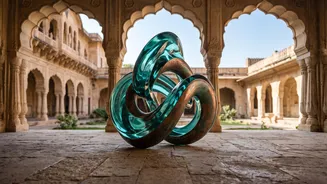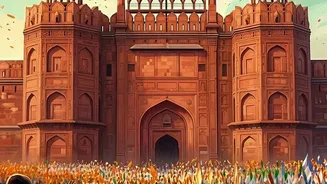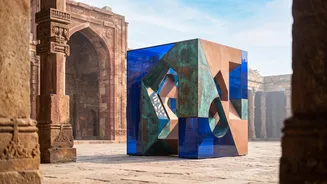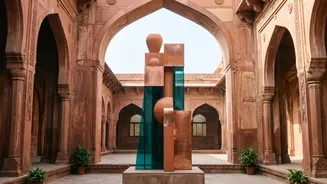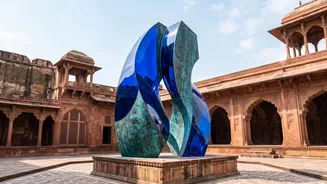



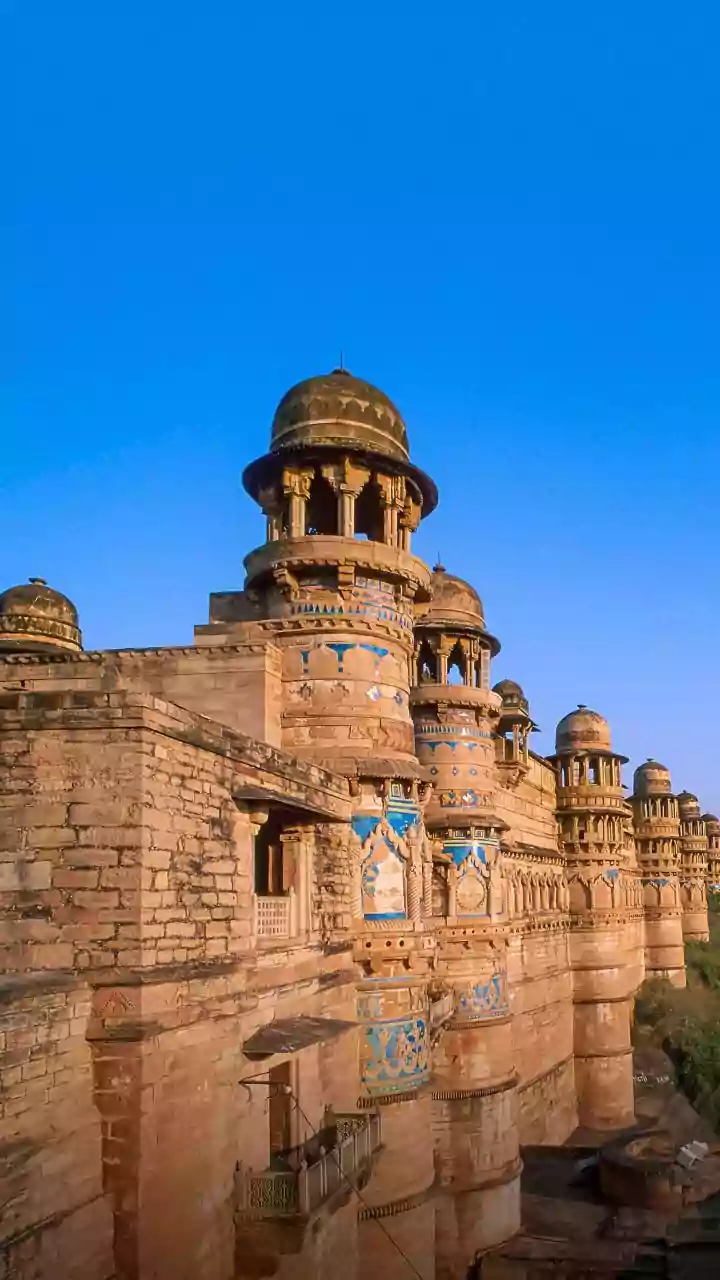

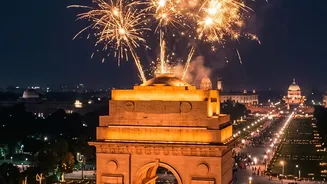
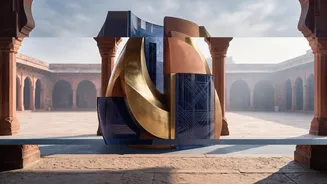
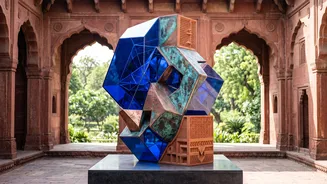
Get ready to see Delhi like never before. From early December, the city’s most treasured historical sites won't just be monuments to the past; they will become living canvases for the present during the second edition of the India Biennale.
A City-Wide Art Festival
The India Biennale,
officially the India Art, Architecture & Design Biennale (IAADB), is a massive 108-day event organised by the Ministry of Culture, running from December 4, 2026, to March 21, 2027. Unlike a traditional art fair confined to a single venue, this biennale will sprawl across the entire capital. It aims to create a unique dialogue between India's deep architectural heritage and cutting-edge contemporary creative practices. The central theme for this edition is 'Tat Tvam Asi' (You Are That), an ancient philosophical concept inviting visitors to see the self as connected to the world, encouraging a slower, more attentive way of experiencing art and the city itself.
Historic Venues Take Centre Stage
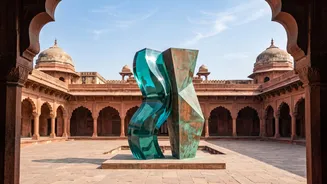
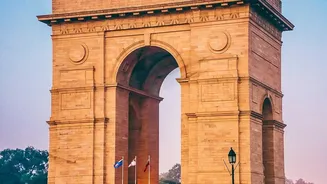
The most exciting aspect of the biennale is its list of venues. The historic Purana Qila will serve as the anchor location, hosting numerous pavilions and exhibitions. But the art will extend far beyond, weaving through a remarkable network of sites that includes the Red Fort, Qutub Minar, and Humayun's Tomb. Other confirmed locations are Safdarjung Tomb, Lodhi Garden, Agrasen ki Baoli, Mehrauli, and even Jantar Mantar. Major cultural institutions like the National Museum, the National Gallery of Modern Art (NGMA), and Lalit Kala Akademi are also part of the programme, transforming a tour of Delhi's landmarks into a sprawling art treasure hunt.
What to See and Experience
The biennale will feature a diverse array of creative works, from paintings and sculptures to immersive new media, digital art, and architectural installations. The programme includes presentations from major Indian cultural institutions like the Kiran Nadar Museum of Art, Devi Art Foundation, and the Nita Mukesh Ambani Cultural Centre (NMACC). Confirmed exhibitions include 'Anant: A Rare 18th Century Mahabharata Scroll' presented by DAG and the Gujral Foundation's 'A Woven Line of Control', both at Purana Qila. The event will also have a strong international presence, with nine countries including Switzerland, Italy, and France confirmed to participate. A key highlight is the Student Biennale, which provides a major platform for young and emerging artists to showcase their work within these historic settings.
Planning Your Biennale Journey
To make navigating this city-wide event easier, organisers are introducing a single India Biennale Pass. This pass will grant access to all participating monuments and their respective exhibitions for the duration of the event, replacing the need for separate entry tickets at each location. The passes will be available in several tiers, including a one-day pass for Rs 100, a three-day pass for Rs 200, and a week-long pass for Rs 400, making it accessible for both casual visitors and dedicated art lovers. The programme is designed to encourage visitors to move between venues, exploring different facets of India's past and present through the lens of art. Full schedules for specific exhibitions and performances will be released closer to the opening date, so it is advisable to check the official biennale website before planning your visit.