


More Than Just a Fruit Stall
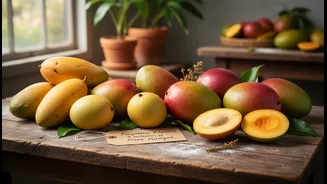
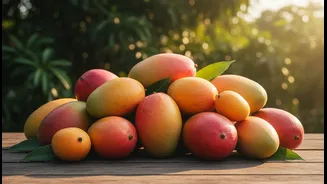
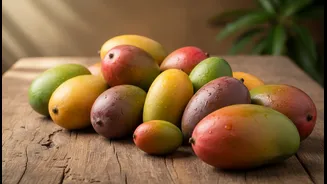
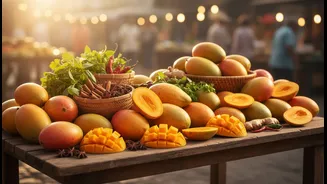
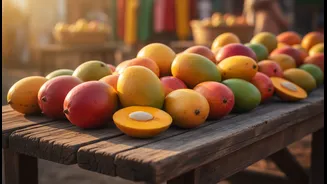
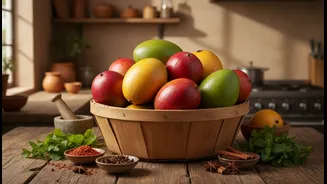
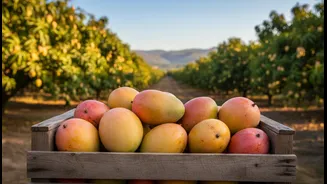
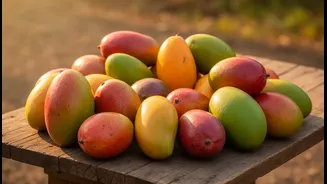
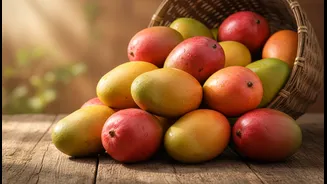
At first glance, a mango festival is a vibrant, chaotic celebration of the king of fruits. Stalls are laden with hundreds of varieties, from the famed Alphonso to the regal Kesar and the tangy Totapuri. But these festivals are more than just large-scale
markets; they are living libraries of India's immense agricultural heritage. With over a thousand named varieties grown across the country, each mango tells a story of its region, climate, and culture. Events held in cities like Delhi, Mumbai, and Pinjore in Haryana showcase this incredible diversity, bringing together farmers, experts, and food lovers to celebrate India's rich agricultural biodiversity. Visiting one is an opportunity to see, smell, and taste the concept of biodiversity in its most delicious form.
Your Festival Field Guide to Biodiversity
To truly appreciate the diversity on display, go beyond just tasting. Engage with the farmers and sellers. Ask them where the mango is from, what makes it special, and how it's traditionally eaten. Is it a sweet, fibreless variety perfect for eating fresh, or a tangy, firm one meant for pickles? You might encounter rare gems like the Samar-e-Behisht from Lucknow or the massive Fazli from West Bengal, each with a unique history. Festivals often feature workshops, tasting sessions, and exhibits that educate visitors on the differences between cultivars. This turns a simple visit into an interactive lesson, helping you understand that the 'best' mango really depends on what you want to do with it.
Connecting the Orchard to Your Kitchen
The link between biodiversity and your kitchen becomes clear when you understand that different mangoes serve different culinary purposes. The buttery, sweet Alphonso is perfect for a silky aamras, while the Kesar from Gujarat lends its aromatic pulp to shrikhand and lassi. For pickles and chutneys, the firm and tangy Totapuri or a raw Langra is the traditional choice. Many regional recipes are built around specific local varieties. In Kerala, the mambazham pulisseri, a yogurt-based gravy, uses small, sweet mangoes, while Bengali aam kasundi relies on the sharp taste of raw mangoes blended with mustard. By learning to identify these varieties at a festival, you are also learning the secrets of regional Indian cooking, empowering you to choose the right fruit for the right dish back home.
Why This Diversity Matters Now
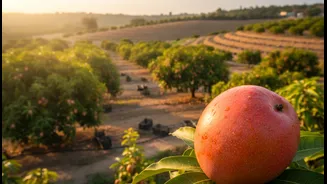
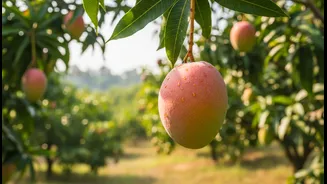
This incredible variety is not guaranteed to last forever. The focus on a few commercially popular types, coupled with threats from climate change like heatwaves and erratic rain, puts many heirloom varieties at risk. Monoculture makes crops more vulnerable to pests and disease, while a diverse gene pool provides resilience. Many farmers who maintain multi-variety orchards act as 'custodian farmers', preserving a genetic library that is crucial for future food security and developing climate-resilient hybrids. Festivals that promote these lesser-known varieties play a vital role in creating a market for them, which in turn encourages farmers to continue growing them. Supporting these festivals and buying a range of mangoes is a direct way to support the conservation of this precious biodiversity.