




The 10-Minute Promise
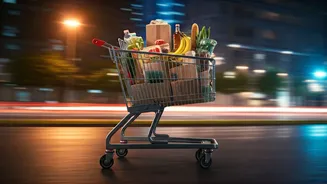
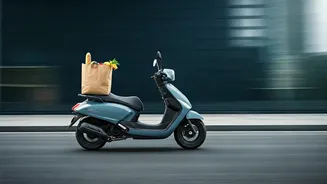
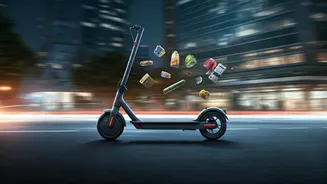
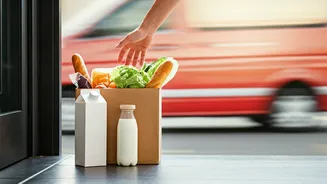
Welcome to the world of quick commerce, or q-commerce, the next evolution in online retail that is reshaping urban life in India. This model is built on a simple yet powerful promise: delivering groceries, snacks, personal care items, and other essentials
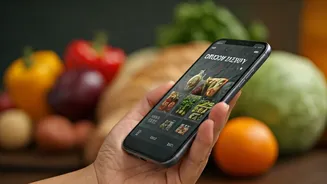
to your doorstep with breathtaking speed, often in 10 to 30 minutes. It’s a service designed for immediate needs, turning a minor crisis like running out of baby diapers or coffee into a minor inconvenience. This focus on ultra-fast delivery has struck a chord with time-pressed urban consumers, especially millennials and Gen Z, who prioritise convenience. The sector's growth has been explosive, driven by increasing smartphone penetration, widespread adoption of digital payments, and the fast-paced nature of city living.
How It Works: The Rise of Dark Stores
The magic behind the 10-minute delivery isn't magic at all; it's a meticulously designed logistics network centered around 'dark stores'. These are not retail shops open to the public, but small, dedicated warehouses strategically placed in dense residential neighbourhoods. Each dark store serves a tight radius of just a few kilometres and stocks a curated inventory of 3,000 to 5,000 of the most in-demand products for that specific area. When you place an order, an algorithm instantly routes it to the nearest dark store. Inside, staff known as pickers quickly assemble the items—often in under 90 seconds—before handing them off to a delivery rider. This hyper-local model is what enables companies to bypass city traffic and logistical hurdles that slow down traditional e-commerce.
The Battle for Your Basket
The Indian quick commerce market is a fiercely competitive arena dominated by a few major players. Blinkit (owned by Zomato), Zepto, and Swiggy Instamart are the leading names, constantly vying for market share through aggressive pricing, rapid expansion, and service innovations. As of early 2026, Blinkit holds the largest market share, with a strong presence in metro cities. Zepto, a pioneer of the 10-minute model in India, is known for its appeal to younger demographics, while Swiggy Instamart leverages its vast food delivery network to reach a broad customer base. This competition has pushed companies to expand beyond just groceries, with many now offering electronics, beauty products, and even over-the-counter medicines.
Convenience at a Cost?
While the convenience is undeniable, the rapid rise of q-commerce raises important questions. The business model operates on thin profit margins, relying on a high volume of small-ticket orders to stay afloat, which poses sustainability challenges. There are also concerns about the impact on the workforce, as delivery riders face immense pressure to meet tight deadlines. Furthermore, the model presents a significant challenge to traditional kirana stores, which have long been the backbone of neighbourhood retail. Critics also point to the potential for increased consumerism and waste, as the ease of ordering encourages more frequent, unplanned purchases. The long-term profitability and social impact of this high-speed delivery model remain subjects of ongoing debate among industry analysts.
What's Next for Instant Delivery?
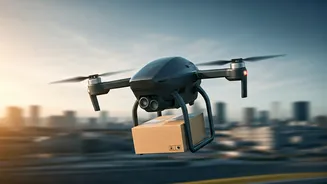
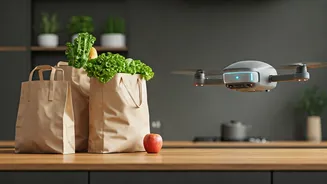
Quick commerce is no longer a niche service; it has fundamentally altered consumer expectations in urban India. The future of the sector points towards further evolution. Companies are looking to expand into Tier 2 and Tier 3 cities, where a growing digital population represents a large, untapped market. We can also expect to see greater integration of AI and automation in logistics to improve efficiency and reduce costs. As the market matures, the focus may shift from pure speed to a more balanced approach that includes profitability, sustainability, and potentially even a more experiential form of shopping. One thing is certain: the era of waiting days for an online order of daily essentials is quickly becoming a thing of the past.