


What is Sandige, Anyway?
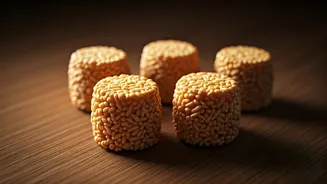
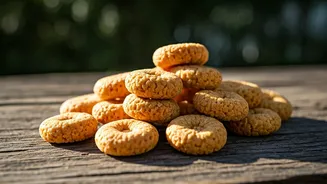
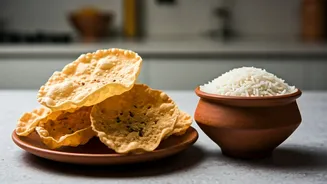
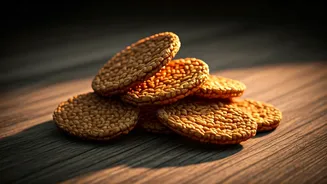
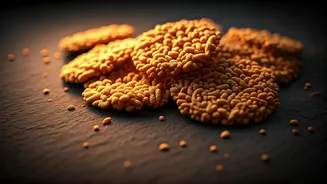
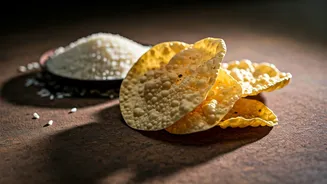
Sandige, also known as vathal or vadam in different parts of South India, are sun-dried crisps that are deep-fried before serving. Think of them as a homemade, flavour-packed version of fryums or papad. They are traditionally made with rice, sago (sabudana),
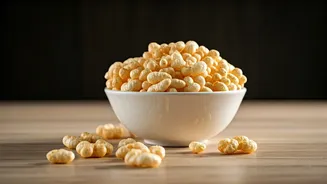
or lentils. When fried, they puff up into light, crunchy delights that can be eaten as a snack or as an accompaniment to a meal, especially with sambar rice or curd rice. Making them from leftover cooked rice is a time-honoured tradition, a perfect example of the resourcefulness embedded in Indian kitchens.
The Genius of Zero-Waste Cooking
Before 'zero-waste' became a trendy global movement, it was simply a way of life in countless Indian households. Grandmothers and mothers have always been masters of culinary alchemy, transforming scraps and leftovers into something new and wonderful. Turning old rice into sandige is a prime example of this philosophy. It's not just about saving money or preventing waste; it's about honouring the food we have and applying a little creativity. This recipe connects us to that legacy of thrift and ingenuity, turning a potential waste product into a source of joy and flavour.
What You Will Need
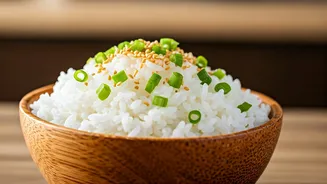
The beauty of this recipe lies in its simplicity. You don't need fancy equipment or exotic ingredients. Here's your basic checklist: - Leftover Cooked Rice: 2 cups (any plain, non-sticky variety like Sona Masoori works well) - Water: Around 4-5 cups (this can vary) - Salt: To taste (about 1-1.5 teaspoons) - Flavourings (Optional): This is where you can get creative! Popular choices include: - 2-3 green chillies, ground into a paste - 1 teaspoon cumin seeds (jeera) - A pinch of asafoetida (hing) - 1 tablespoon lemon juice for a tangy flavour You'll also need a large plastic sheet, a clean cotton cloth, or parchment paper for drying.
The Step-by-Step Method
1. **Prepare the Rice Batter:** Take your leftover cooked rice and grind it in a mixer-grinder to a smooth, fine paste. You may need to add a little water to help it grind evenly. Don't add too much water at once. 2. **Cook the Mixture:** Transfer the rice paste to a heavy-bottomed pan. Add the remaining water, salt, and your chosen flavourings (chilli paste, cumin seeds, etc.). Mix well to ensure there are no lumps. Turn on the heat to medium and cook, stirring continuously. The mixture will start to thicken. Keep stirring to prevent it from sticking to the bottom of the pan. 3. **Check for Consistency:** The goal is a thick, glossy, porridge-like consistency. It should be thick enough to hold its shape but still spreadable. A good test is to take a small amount on a spoon; it should drop slowly, not run off. This cooking process usually takes about 10-15 minutes. 4. **Cool and Spread:** Once cooked, take the pan off the heat and let the mixture cool down slightly. It will thicken a bit more as it cools. Now, lay your plastic sheet or cloth in a sunny spot (like a balcony or terrace). Spoon small dollops of the mixture onto the sheet, leaving space between each one. You can make them small like coins or slightly larger.
The All-Important Sun-Drying
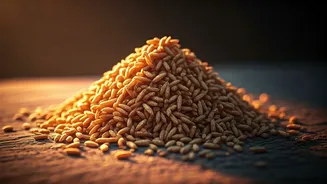
This is the most crucial stage. The sandige need to be completely dehydrated to ensure they last long and fry up perfectly. Place them under direct, strong sunlight for 2-3 days. The timing depends on the intensity of the sun. They will shrink and become translucent as they dry. After the first day, you should be able to peel them off the sheet and flip them over to ensure the other side dries evenly. They are ready when they are bone-dry and snap easily. If you live in an apartment without direct sun, you can try drying them indoors under a fan for several days, but sun-drying provides the best results.
Storing and Frying
Once your sandige are completely dry, store them in an airtight container. They will keep well for several months, even up to a year, in a cool, dry place. Whenever you want to enjoy them, simply heat oil in a kadai for deep-frying. The oil should be hot but not smoking. Drop a few sandige into the hot oil; they will sizzle and puff up in a matter of seconds. Use a slotted spoon to remove them quickly before they brown, and drain them on a paper towel. Watch them transform from tiny, hard discs into light, airy, and incredibly crunchy crisps.