




Mistake 1: Sticking to a Rigid Schedule
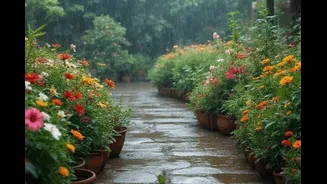
The most common error gardeners make is continuing their summer watering routine into the rainy season. During hot, dry weather, daily watering might be necessary. However, during damp periods, high humidity and reduced sunlight mean that soil loses moisture
much more slowly. A pot that dried out in a day during summer might now stay moist for three or four days. Continuing to water daily when the soil is already saturated is a fast track to problems. Instead of following a calendar, let your plants and the soil dictate the schedule. This shift in mindset is the single most important adjustment for successful gardening in damp weather.
Mistake 2: Guessing About Soil Moisture
Looks can be deceiving. The top layer of soil might appear dry, tempting you to water, while the root zone just a few inches below is still waterlogged. Relying on a visual check is a recipe for overwatering. The most reliable way to know if your plant needs water is to check the soil manually. The 'finger test' is a simple and effective method: insert your finger into the soil up to your second knuckle. If the soil feels dry at your fingertip, it's time to water. If it feels moist, wait another day or two before checking again. For those who prefer a more precise tool, a soil moisture meter can take the guesswork out of the equation entirely by providing a reading of the moisture level at the root zone.
Mistake 3: Ignoring Poor Drainage
Proper drainage is non-negotiable, especially during damp weather. When soil stays soggy, it displaces oxygen, effectively suffocating the plant's roots. This condition, known as root rot, prevents the roots from absorbing nutrients and water, ironically causing the plant to wilt and show signs of thirst even though it's sitting in wet soil. Ensure your pots have plenty of drainage holes. If you use decorative pots without holes, keep your plant in a smaller plastic pot with drainage that fits inside, and be sure to empty any excess water from the outer pot after watering. For container plants, elevating them on bricks or 'pot feet' can also improve drainage and airflow.
Mistake 4: Watering Leaves Instead of the Soil
Watering from above and wetting the foliage is a significant risk during humid weather. Damp leaves that stay wet for extended periods create the perfect breeding ground for fungal diseases like powdery mildew and bacterial leaf spot. Always aim to water the base of the plant, delivering moisture directly to the soil where the roots can access it. Watering early in the morning is also a wise practice. This gives any stray splashes on the leaves a chance to evaporate in the daylight, reducing the risk of overnight fungal growth that can occur when foliage remains wet in cooler, darker conditions.
Mistake 5: Forgetting About Air Circulation
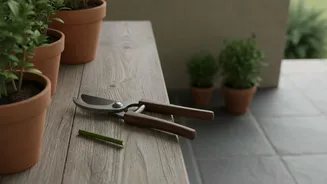
Stagnant, humid air is an open invitation for pests and diseases. Good air circulation helps foliage and soil surfaces dry more quickly, making conditions less hospitable for problems. For outdoor and balcony gardens, this may involve some strategic pruning. Trimming dense foliage or lower leaves can open up the plant and allow more air to move through. For indoor plants, avoid crowding them together. Giving each plant its own space not only prevents the spread of potential issues but also ensures that air can circulate freely around the stems and soil, which is a simple but effective preventive measure against common damp-weather ailments.
Mistake 6: Ignoring the Signs of Distress
Plants are very good at telling you when they are unhappy; you just need to know what to look for. The confusing part is that the signs of overwatering often mimic those of underwatering. Key indicators of overwatering include yellowing leaves (especially lower ones), wilting despite moist soil, and soft, limp foliage. You might also see mold or fungal growth on the soil surface or notice a musty, rotten smell coming from the pot, which indicates root decay. If leaves feel soft and droopy, it's likely too much water. If they are dry and crispy, it's probably too little. Paying close attention to these signals can help you correct your course before irreversible damage is done.