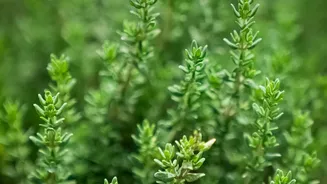




The aroma of fresh thyme elevates kitchen creations, and growing your own is surprisingly simple. Success with this Mediterranean herb hinges on one key detail: starting with the right pot that mimics its natural, dry environment.
Choose a Pot That Breathes
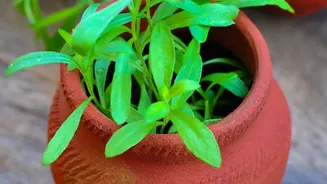
The single most common
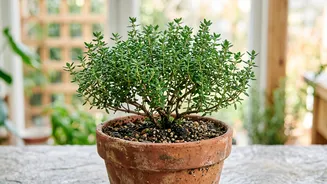
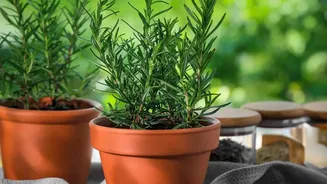
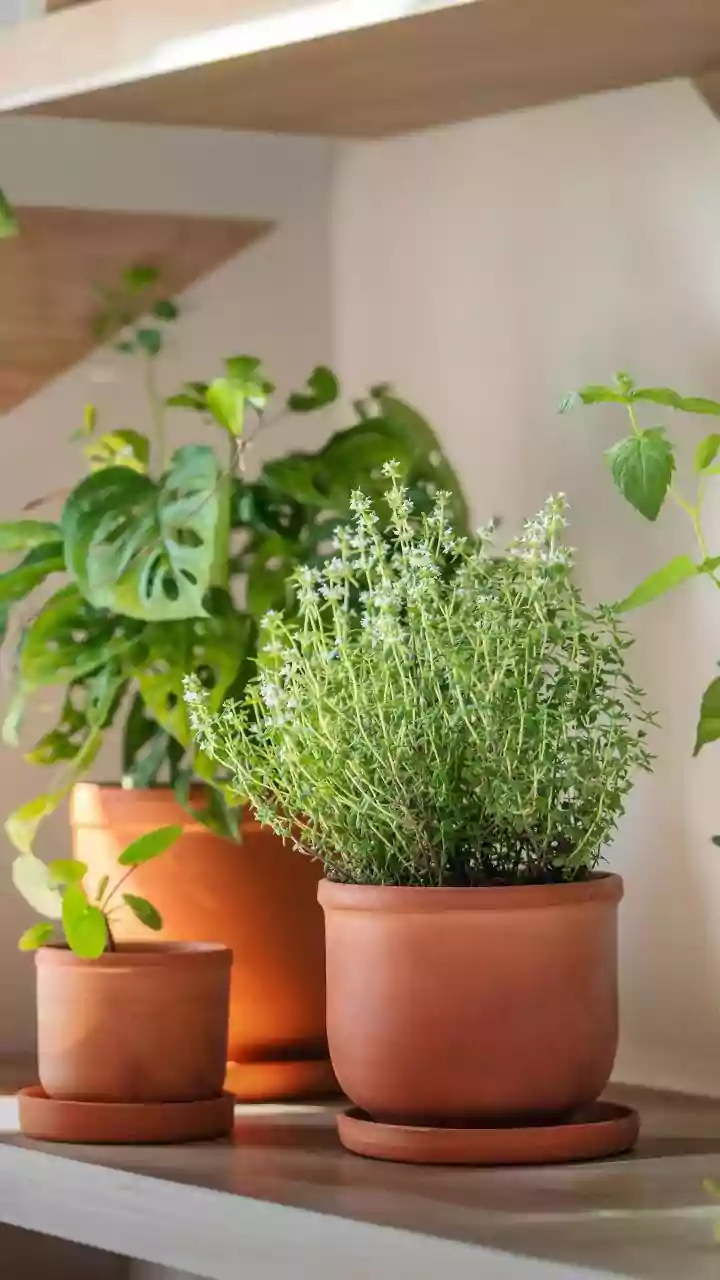
mistake when growing thyme is providing too much moisture, which leads to root rot. Thyme is a Mediterranean native, accustomed to dry, rocky slopes. To replicate this, select a pot with excellent drainage. Multiple drainage holes are non-negotiable. Terracotta pots are an excellent choice because the porous clay allows soil to dry out more evenly. When it comes to size, think wider rather than deeper, as thyme has a shallow root system that spreads sideways. A pot around 6 to 8 inches in diameter is perfect for a single plant, giving it room without holding excessive water. A larger pot can retain too much moisture, creating the damp conditions thyme dislikes.
Create the Perfect Gritty Soil
Commercial potting mixes are often designed to retain moisture, which is the opposite of what thyme needs. This herb thrives in lean, well-draining soil. To create an ideal environment, you need a gritty mix. You can buy a pre-made cactus or succulent mix, or create your own. A great recipe is to combine two parts standard potting mix with one part coarse sand, perlite, or fine horticultural grit. This ensures that water flows through freely and the roots never sit in soggy soil. Unlike many other plants, thyme does not require rich, heavily fertilised soil; in fact, its flavour is often more intense when grown in less fertile conditions.
Let There Be Light
Thyme is a sun-worshipper. To grow dense, flavourful leaves, your plant needs at least six to eight hours of direct sunlight each day. A south-facing balcony, patio, or a bright, sunny windowsill is the perfect location. If you notice your thyme plant becoming 'leggy'—with long, sparse stems and few leaves—it is a clear sign it's not receiving enough light. Move it to a sunnier spot to encourage more compact, bushy growth. While it's a hardy perennial, ensuring it gets ample sun is crucial for both its health and its aromatic quality.
Water Wisely, Not Often
Overwatering is the fastest way to kill a thyme plant. Being drought-tolerant, it prefers its soil to dry out completely between waterings. A good rule of thumb is to check the soil with your finger; if the top inch or two feels dry, it's time to water. When you do water, do it thoroughly until water runs out of the drainage holes at the bottom. Then, allow the pot to drain completely and do not let it sit in a saucer of water. In hot weather, you might need to water once a week, but during cooler months, it could be as infrequent as every two weeks or more.
Harvest for Flavour and Growth
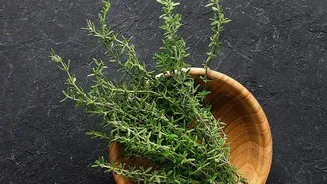
Regular harvesting encourages your thyme plant to become bushier and more productive. The best time to harvest for peak flavour is in the morning, after the dew has dried but before the intense heat of the day. This is when the essential oils in the leaves are most concentrated. Use clean scissors to snip off the top few inches of the green, leafy stems, always cutting just above a set of leaves. Avoid cutting back more than one third of the plant at once, and don't trim the old, woody base, as it may not regrow from there. These regular trims will provide you with a steady supply of fresh herbs for your cooking.