


A Land Reborn in Green
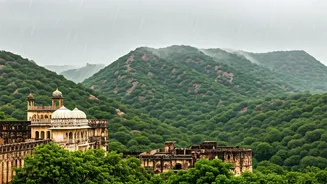
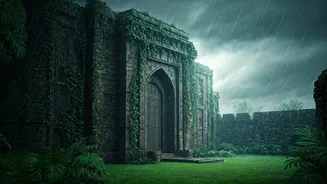
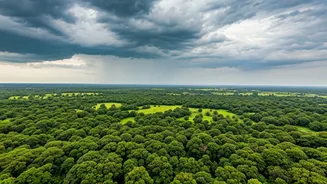
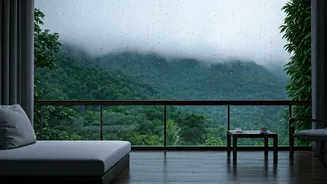
The most dramatic change during the monsoon in Rajasthan is the landscape itself. The arid, golden-brown terrain gives way to a surprising carpet of green. The Aravalli Hills, which form a rugged spine through the state, shed their dusty look and become
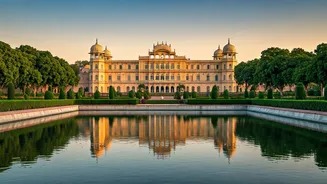
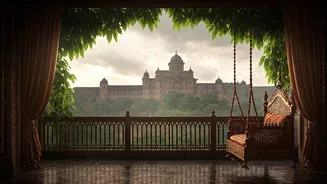
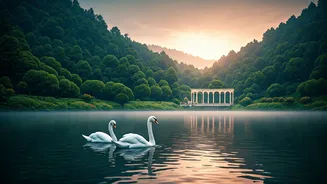
vibrant with fresh foliage. This transformation provides a stunning, almost surreal backdrop to the region's famed forts and palaces. Cities like Udaipur, often called the 'Venice of the East', become particularly magical. Its system of lakes, including the iconic Lake Pichola and Fateh Sagar, fill to the brim, their mirror-like surfaces reflecting the majestic, rain-washed palaces and moody, cloud-laden skies. The scent of wet earth, or petrichor, fills the air, creating a sensory experience that is a world away from the peak tourist season of winter.
Romance in the Rain
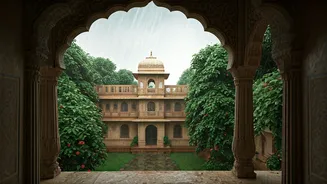
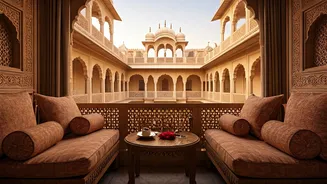
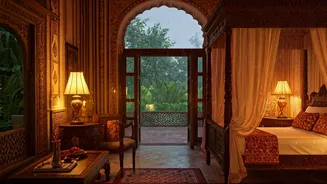
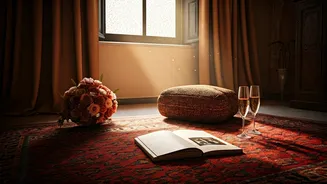
There's an undeniable romance to the monsoon, and heritage properties amplify this atmosphere. For young couples, the appeal lies in the unique, intimate experiences on offer. Imagine sipping chai in a jharokha (an overhanging enclosed balcony) of a centuries-old haveli, watching the rain fall over a glistening lake, or enjoying a meal on a terrace with misty hills in the distance. The weather is a huge factor; the scorching heat of summer is replaced by pleasant temperatures, typically ranging from 25°C to 35°C, making it perfect for leisurely exploration. This cooler climate and the soft patter of rain create a cozy, dreamlike setting that's ideal for a romantic escape, a trend that sees a surge in bookings from couples during this season.
Palaces Without the Crowds
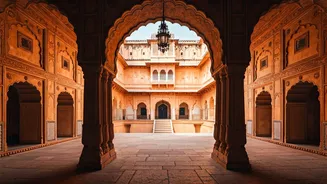
One of the biggest practical advantages of a monsoon getaway in Rajasthan is the absence of overwhelming crowds. The period from July to September is traditionally considered the off-season. This means couples can explore magnificent sites like Udaipur's City Palace, Jaipur’s Amer Fort, or Jodhpur's Mehrangarh Fort without navigating a sea of tourists. The experience becomes more personal and peaceful, allowing for quiet moments of discovery. This exclusivity extends to the heritage hotels themselves, many of which are converted forts and palaces. With fewer guests, the service often feels more attentive and personalised. Furthermore, the off-season timing means better deals are often available, making a stay in a luxurious palace or a charming haveli surprisingly affordable.
Heritage Stays with Modern Appeal
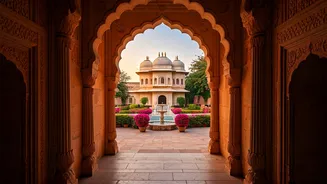
Today's young couples are looking for more than just a hotel room; they want an experience. Rajasthan’s heritage properties deliver this in spades. Many former royal residences, from grand palaces like the Umaid Bhawan Palace in Jodhpur to intimate havelis, have been converted into hotels that blend historical grandeur with modern comforts. These properties offer a direct connection to Rajasthan's rich past, with architecture and decor that tell stories of a bygone era. For a generation that values authenticity and photogenic settings, these hotels are a goldmine. Every corridor, courtyard, and suite offers a unique backdrop. Activities like traditional folk music performances, cooking classes featuring local cuisine, or even vintage car museum tours add another layer to the stay.