


Day 1: Arrival in the Temple City of Bhubaneswar
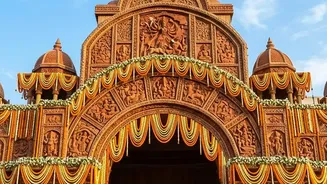
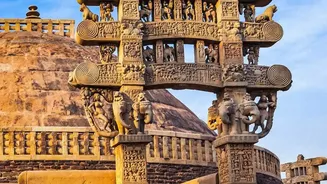
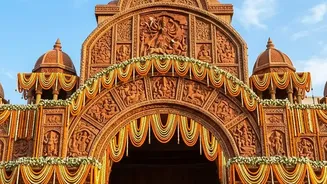
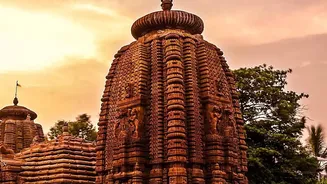
Your journey begins in Bhubaneswar, aptly known as the 'Temple City of India'. After settling in, immerse yourself in the architectural evolution of Kalinga temple design. Start with the 11th-century Lingaraj Temple, a masterpiece dedicated to Lord Shiva
that dominates the city's old town. While entry to the main shrine is for Hindus only, its towering 180-foot spire is a sight to behold from the viewing platform. Nearby, the 10th-century Mukteshwar Temple, called the 'Gem of Odishan Architecture', showcases exquisite carvings and a famous stone archway. These sites are not just monuments but living places of worship, offering a profound introduction to the region's spiritual pulse.
Day 2: Journey to Puri, the Abode of Jagannath
A short drive takes you to Puri, one of India's most sacred pilgrimage sites. The city revolves around the colossal Jagannath Temple, home to Lord Jagannath, his brother Balabhadra, and sister Subhadra. The temple's sheer scale and the energy of its devotees are an unforgettable experience. After exploring the temple's surroundings, spend the afternoon at Puri's Golden Beach, watching the waves of the Bay of Bengal. The city offers a unique blend of deep spiritual fervor and relaxed coastal charm, making it an essential stop on any Odia itinerary.
Day 3: The Artistic Soul of Raghurajpur and Pipili
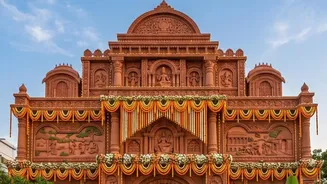
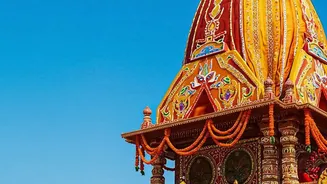
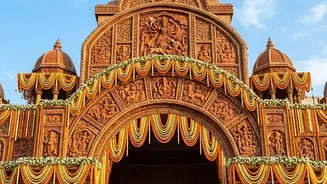
Today is dedicated to Odisha's incredible living craft traditions. A short trip from Puri brings you to Raghurajpur, India's first designated heritage crafts village. Here, every house is an artist's studio, with walls adorned in murals. It is the heartland of Pattachitra, a traditional art of painting intricate mythological tales on cloth scrolls. You can watch master painters at work and purchase pieces directly from them. On the way back, stop at Pipili, a town famous for its vibrant appliqué work, or 'Chandua'. This craft, involving stitching colourful fabric into intricate patterns, has deep ties to the rituals of the Jagannath Temple, especially for decorating the grand chariots of the Rath Yatra.
Day 4: The Grandeur of Konark and Chandrabhaga's Context
This is the day the entire journey builds towards. Travel to Konark to witness the Sun Temple, a 13th-century UNESCO World Heritage Site. Conceived as a gigantic stone chariot for the Sun God, Surya, its stone wheels are intricately carved and function as sundials. Just three kilometers away lies Chandrabhaga Beach, which provides the crucial context for the temple's existence. According to myth, Samba, the son of Lord Krishna, was cured of leprosy after praying to Surya at this very spot. The temple was built to honor this event, and for centuries, pilgrims performed a ritual purification dip at Chandrabhaga Beach before entering the Sun Temple. This historic link makes the beach not just a scenic coastline, but a sacred gateway to the architectural marvel of Konark.
Day 5: Reflecting and Departure from Bhubaneswar
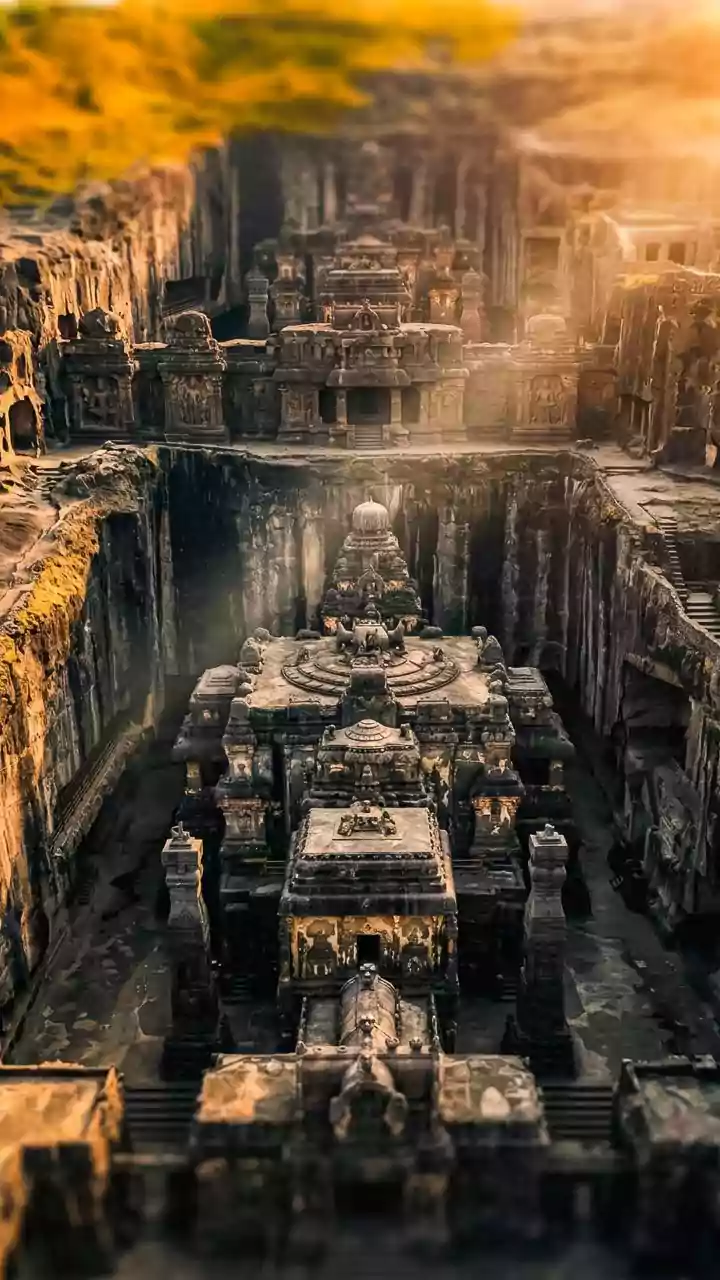
On your final day, travel back towards Bhubaneswar for your departure. Depending on your schedule, you might visit the Udayagiri and Khandagiri Caves, ancient rock-cut shelters for Jain monks that offer a glimpse into a different facet of Odisha's religious history. These hillside caves provide a panoramic view of the city and a quiet space for reflection. This final stop serves as a peaceful bookend to a journey that has traversed through centuries of faith, art, and living culture. The tour has not only showcased individual sites but woven them together into a single, compelling narrative of Odisha's enduring heritage.