







The Dynamic World of Skating
Whether on ice or wheels, skating is an exercise in controlled instability. The very act of gliding on a thin blade or a set of wheels forces your body into a state of constant adjustment. This is known as dynamic balance—the ability to remain stable
while in motion. Every push, turn, and stop engages a complex network of muscles, particularly in the core, glutes, and legs. Skating requires your neuromuscular system to make rapid-fire calculations to prevent a fall, strengthening the connection between your brain and your muscles. Studies have shown that activities like ice skating can significantly enhance both static and dynamic balance, even in children. This is because skating is a full-body workout that improves core strength, coordination, and the reflexive responses needed to recover from a sudden trip or stumble in everyday life.
The Mindful Stability of Tai Chi
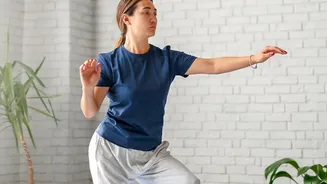
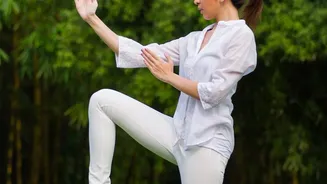
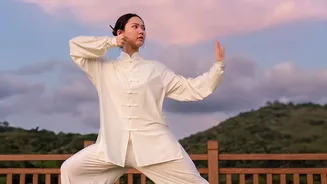
Tai Chi, an ancient Chinese martial art, approaches balance from a completely different angle. It consists of slow, flowing, and deliberate movements combined with deep breathing. This practice is a masterclass in proprioception—your body's awareness of its own position in space. By moving slowly and intentionally, practitioners have time to feel and correct their posture and weight distribution, enhancing the sensory feedback between their body and brain. Numerous studies have confirmed Tai Chi's effectiveness in improving balance and significantly reducing the risk of falls, particularly in older adults. Some research suggests it can lower fall rates by over 30% compared to other conventional exercises. This is attributed to its ability to build lower-body strength, improve joint flexibility, and foster a strong mind-body connection, all within a low-impact framework.
The Head-to-Head Comparison
When placed side-by-side, the two disciplines offer distinct advantages. Skating provides a high-energy cardiovascular workout that builds muscular power and reactive, dynamic balance. It trains your body to handle sudden changes in momentum, which is crucial for active individuals. The learning curve can be steep, and the risk of injury from falls is higher. Tai Chi, conversely, is a low-impact activity focused on static balance and proprioceptive awareness. Its benefits are profound for fall prevention, as it trains the body to be stable and centred. Several studies have found Tai Chi to be more effective than other forms of exercise, including multimodal strength and balance training, at reducing falls in high-risk older adults. The meditative aspect also reduces stress and the fear of falling, which can itself be a risk factor.
Which Path is Right for You?
Choosing between skating and Tai Chi depends entirely on your personal fitness goals, lifestyle, and physical condition. If you are looking for an energetic, high-intensity workout that builds power and agility, skating is an excellent choice. It’s ideal for those who enjoy speed and a more traditional form of exercise that builds cardiovascular endurance alongside balance. If your priority is improving stability in a safe, low-impact, and meditative way, Tai Chi is likely the superior option. It is exceptionally well-suited for older adults, individuals with joint issues, or anyone seeking to enhance their mind-body connection and reduce their risk of falling through deliberate, controlled practice. Many people find that Tai Chi's group class format helps with long-term consistency.