

The Millet Comeback
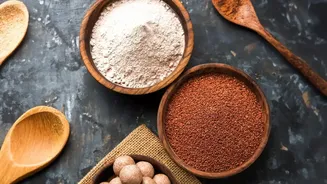
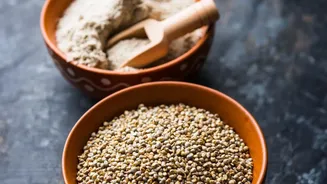
Not long ago, millets were often seen as humble, rustic grains. Today, they are celebrated as superfoods, and for good reason. Grains like ragi (finger millet), jowar (sorghum), and bajra (pearl millet) are nutritional powerhouses. They are naturally
gluten-free, rich in fibre, and packed with essential minerals like calcium, iron, and magnesium. Ragi, for instance, contains significantly more calcium than rice or even milk, making it a fantastic food for bone health. Their high fibre content promotes satiety, helping with weight management, and their low glycemic index is beneficial for regulating blood sugar levels. This resurgence is not just a trend; it's a rediscovery of the profound wisdom embedded in our traditional diets.
The Magic of Fermentation
The real magic happens when millets are fermented. Fermentation is a natural process where microorganisms like beneficial bacteria and yeasts break down the components in food. This process doesn't just preserve the food; it transforms it, creating a wealth of probiotics—the 'good' bacteria essential for a healthy gut. A thriving gut microbiome is linked to improved digestion, stronger immunity, and even better mental well-being through the gut-brain axis. Fermentation also breaks down 'anti-nutrients' like phytic acid found in grains. This breakdown unlocks the full potential of millets, making minerals like iron and zinc much more available for your body to absorb. The result is a food that is not only easier to digest but also significantly more nutritious.
Ragi Ambali: The Southern Probiotic Cooler
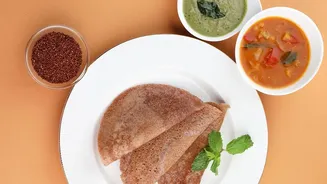
A staple in states like Karnataka and Tamil Nadu, Ragi Ambali (also called Ragi Koozh or Java) is a fermented porridge that is the perfect antidote to summer heat. It’s traditionally made by cooking ragi flour into a porridge, allowing it to cool, and then letting it ferment overnight, often in an earthen pot. The next morning, this tangy base is mixed with buttermilk or curd, salt, and sometimes spiced with chopped onions, green chillies, and coriander. The fermentation process creates live probiotic cultures, making it an excellent drink for soothing the digestive system and boosting gut flora. Traditionally consumed by farmers for sustained energy, it’s a hydrating, cooling, and deeply nourishing drink.
Jowar and Bajra Raab: A Western Indian Staple
In the arid regions of Rajasthan and Gujarat, fermented porridges made from jowar and bajra, known as Raab or Rabdi, are a cherished tradition. These preparations are incredibly versatile. A hot version is consumed in winter for warmth and immunity, while a cooling, fermented version is a summer staple. To make the fermented version, jowar or bajra flour is cooked into a batter and then mixed with buttermilk (chaas) and left to culture, developing a pleasant tang. Often seasoned with roasted cumin and salt, this drink is not only hydrating but also easy on the stomach. It serves as a light yet filling meal, providing both prebiotic fibre from the millet and probiotics from the fermentation and buttermilk.
Kodo and Little Millet Kanji: Tribal Wisdom
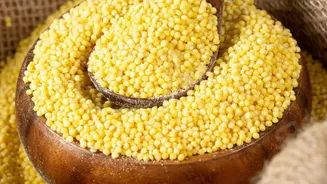
Beyond the more common millets, traditional communities across India ferment a variety of others like Kodo, Little, and Foxtail millets to create a porridge often called Kanji or Pej. These recipes follow a similar principle: the millet is cooked into a gruel and allowed to naturally ferment for several hours. This process makes the grains incredibly easy to digest and enhances their nutritional profile. These dishes are a testament to age-old wisdom, providing a powerhouse of nutrients and beneficial microbes from simple, locally available ingredients. They are often the first food given to babies after breastfeeding and are a source of strength for everyone from children to the elderly.