


What Exactly Is Rain Train Travel?
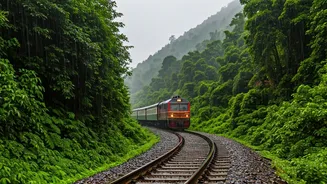
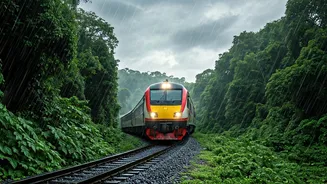
At its heart, rain train travel is the simple act of choosing a rail journey specifically because it’s the monsoon. It’s a conscious decision to make the journey itself the destination. Unlike hectic, multi-stop itineraries, this trend celebrates slowing
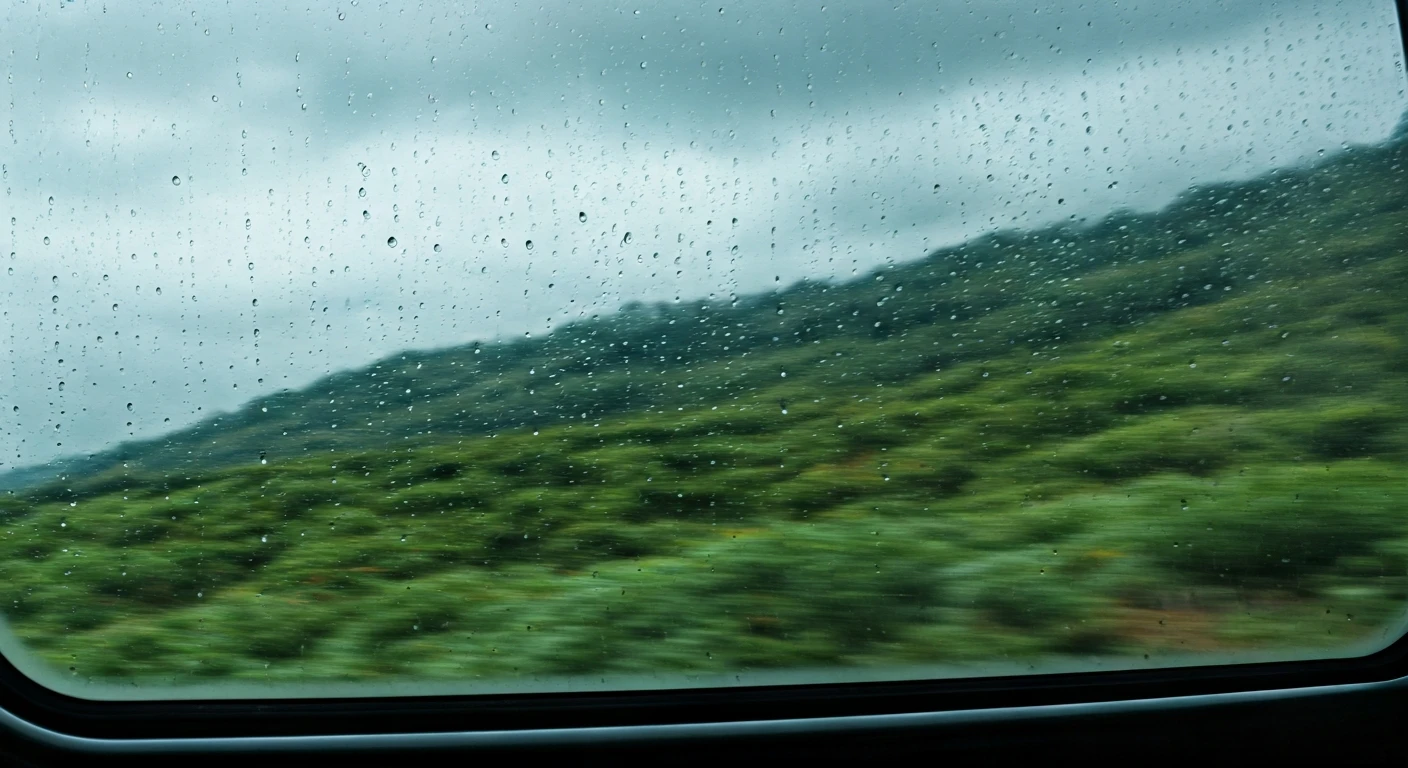
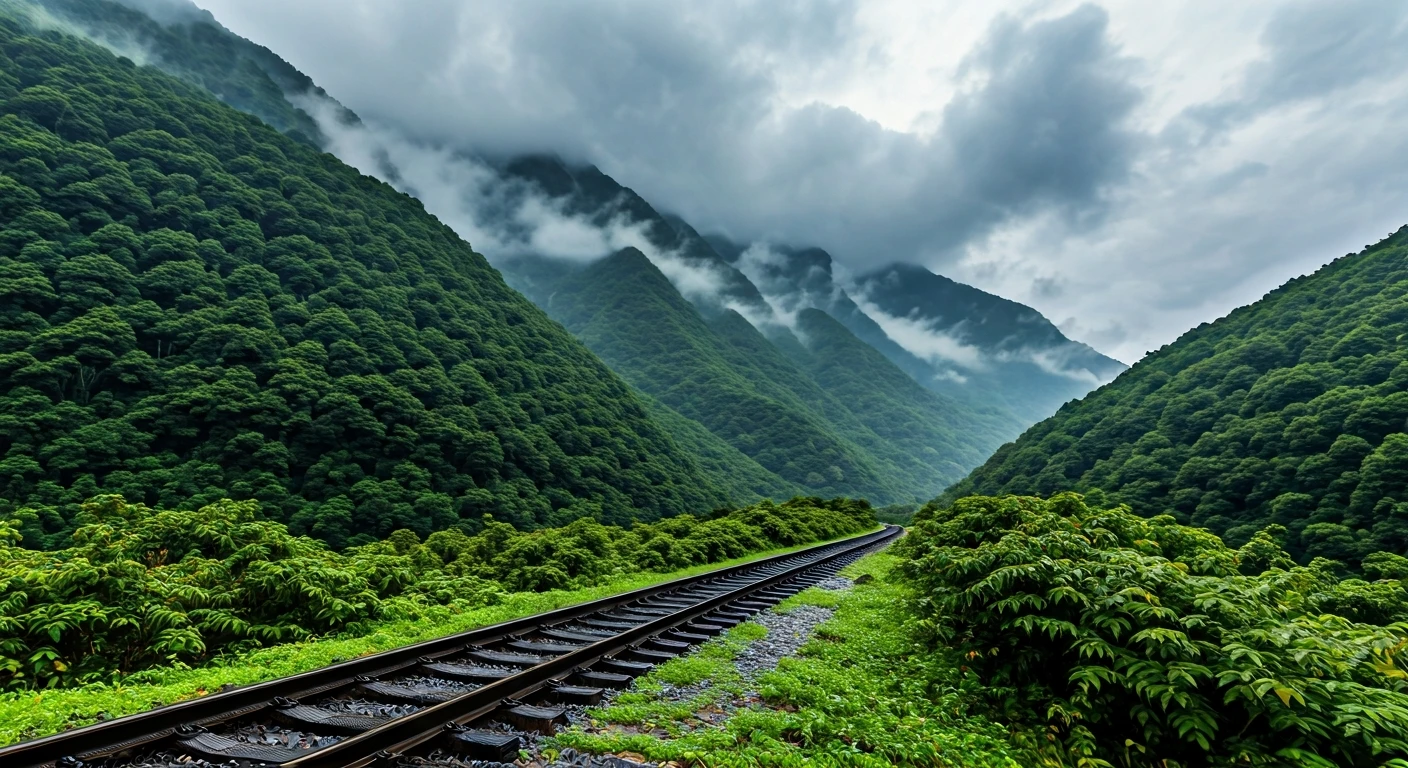
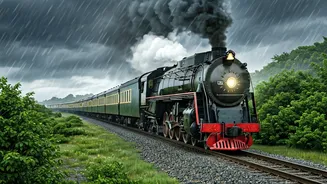
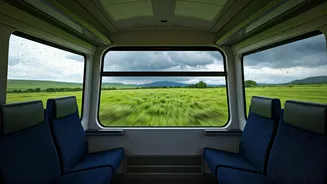
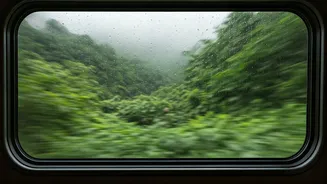
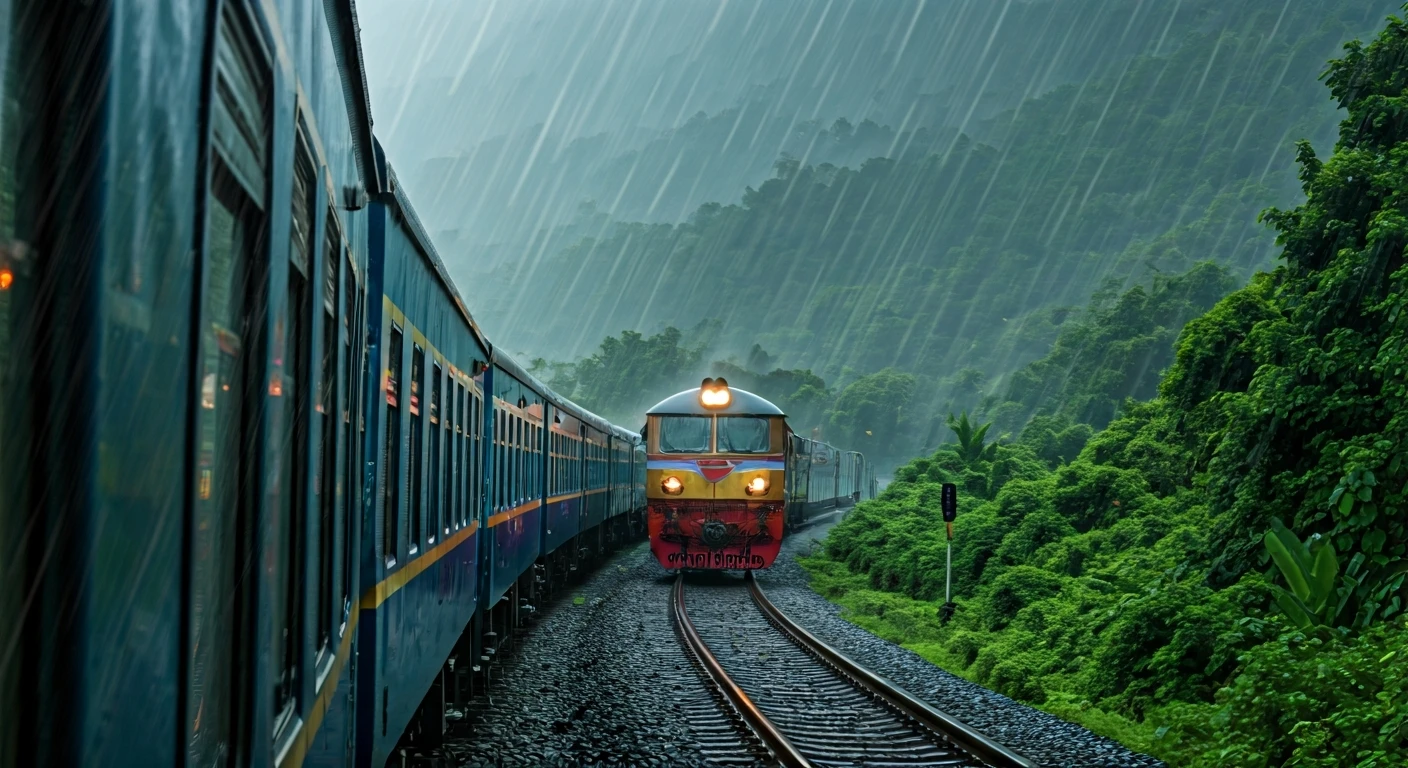
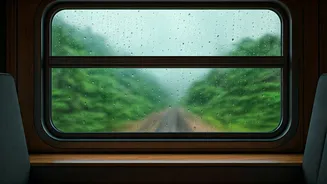
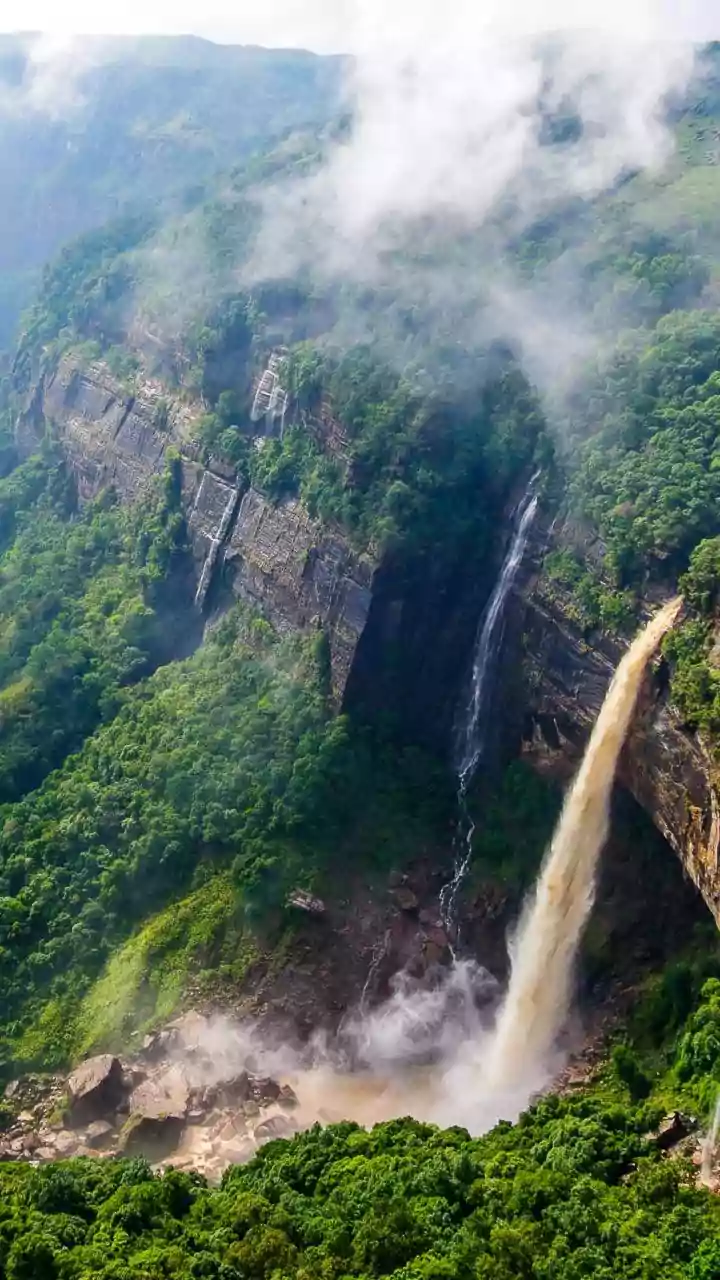
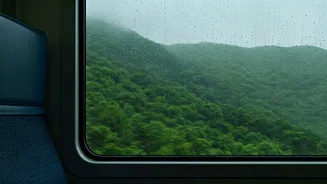
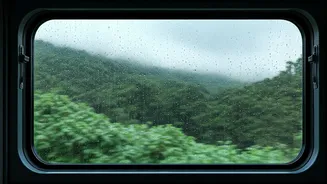
down and soaking in the atmosphere. The appeal isn't in reaching a place quickly, but in the experience of moving through a landscape transformed by rain. It’s about the sensory details: the rhythmic sound of the wheels on wet tracks, the smell of damp earth through an open window, and the visual drama of mist-covered hills and overflowing waterfalls. Travellers are trading airport queues and road-trip stress for a front-row seat to nature's most cinematic season.
The Allure of the Slow Journey
This trend didn’t appear in a vacuum. It’s part of a larger movement towards 'slow travel,' a philosophy that prioritizes depth over distance and connection over checklists. In a world of digital overload and workplace burnout, the idea of an unhurried, restorative trip is resonating deeply, especially among younger Indians. Train travel, by its very nature, encourages a slower pace. It offers space to read, think, or simply watch the world go by—activities that feel like luxuries in our fast-paced lives. The monsoon setting amplifies this feeling, creating a cosy, protected bubble against the world, turning the train compartment into a moving sanctuary. It taps into a collective desire for experiences that are both authentic and aesthetically pleasing.
India's Most Cinematic Monsoon Routes
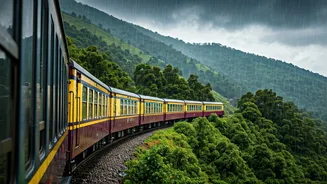
India, with its extensive rail network and dramatic monsoon season, is the perfect stage for this trend. Certain routes have become legendary. The Konkan Railway journey from Mumbai to Goa is perhaps the most celebrated, offering breathtaking views of the Western Ghats, where seasonal waterfalls cascade down cliffs right next to the tracks. The route passes through dozens of tunnels and over countless bridges, with glimpses of the Arabian Sea. For a different kind of magic, the heritage toy trains offer an escape into the clouds. The Kalka-Shimla Railway, a UNESCO World Heritage site, winds through misty pine forests and verdant valleys. Similarly, the Nilgiri Mountain Railway to Ooty and the Darjeeling Himalayan Railway climb into tea-covered hills that are especially lush and vibrant during the rains. Newer services like the Vande Bharat Express are also being chosen for their large panoramic windows, making routes like Delhi to Dehradun or through the beautiful Mumbai-Pune ghats more immersive.
From Screen to Scene
Like many modern trends, the visual appeal of rain train travel gained traction on social media. The moody, romantic aesthetic is perfect for Instagram feeds and travel vlogs. But the headline’s mention of “group chats” signifies a deeper shift. What starts as a shared aesthetic online becomes a tangible plan discussed among friends. It’s one thing to see a beautiful video; it’s another to message your friends saying, “We should actually do this.” This journey from public inspiration to private planning is what turns a fleeting trend into a cultural moment. It’s less about performing for an audience and more about sharing a genuine, restorative experience with a close-knit group. This reflects a broader trend where travellers are increasingly seeking intentional and meaningful getaways based on a feeling or mood, rather than just a destination.