




A Nutritional Snapshot
On the surface, quinoa and lentils seem similar. Both are excellent sources of fibre and plant-based protein. However, they belong to different food families. Quinoa is technically a seed, often prepared and eaten like a grain, which is why it's called
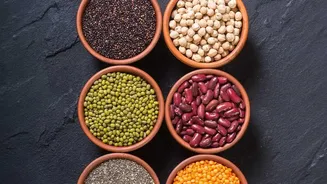
a 'pseudocereal'. Lentils are pulses, part of the legume family alongside beans and chickpeas. This fundamental difference sets the stage for their unique nutritional profiles. In a typical cooked cup, lentils tend to be higher in protein and fibre, while quinoa holds its own with a unique claim to fame: it’s a complete protein.
The Iron Showdown
For those looking to boost their iron intake, lentils are the clear winner. A cup of cooked lentils provides about 6.6 mg of iron, which is significantly more than the 2.8 mg found in a cup of cooked quinoa. This makes lentils an excellent choice for individuals on a plant-based diet who need to pay close attention to iron sources. It's important to note that the iron in both foods is non-heme iron, which is absorbed less readily by the body than heme iron from animal products. To enhance absorption, it's highly recommended to pair both lentils and quinoa with foods rich in vitamin C, such as bell peppers, tomatoes, or a squeeze of lemon juice.
The Magnesium Matchup
When it comes to magnesium, an essential mineral for muscle function, nerve health, and blood pressure regulation, quinoa takes the lead. One cup of cooked quinoa contains about 118 mg of magnesium, while the same amount of cooked lentils has around 71 mg. This makes quinoa a superior choice if your dietary goal is to specifically increase your magnesium levels. Getting enough magnesium is crucial, as it’s involved in over 300 enzymatic reactions in the body and many diets are deficient in this key nutrient.
Beyond Minerals: The Protein Factor
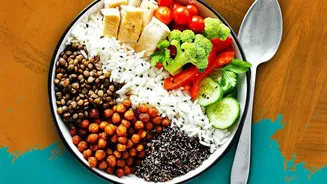
While lentils contain more protein overall—about 18 grams per cooked cup compared to quinoa's 8 grams—quinoa has a special advantage. Quinoa is considered a 'complete protein', meaning it contains all nine essential amino acids that the body cannot produce on its own. This is rare for a plant-based food. Lentils are rich in protein but are not complete on their own, as they are lower in certain amino acids. However, this is easily remedied by pairing lentils with a grain, like rice or bread, to form a complete protein, a common practice in many Indian cuisines.
In the Kitchen: Cooking and Versatility
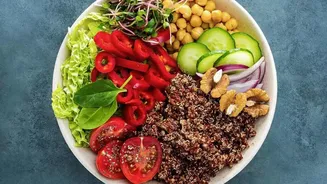
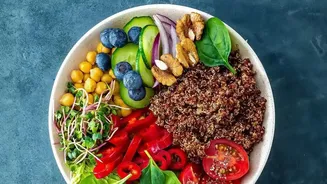
Both foods are culinary chameleons, but they serve different purposes. Quinoa cooks up to have a light, fluffy texture and a subtle, nutty flavour, making it a fantastic substitute for rice, a base for salads, or an addition to breakfast bowls. Lentils, depending on the variety, can become soft and creamy (like red lentils, perfect for soups and curries) or remain firm (like green or brown lentils, great for salads and stews). Lentils generally cook faster than dried beans and don't require presoaking, making them a convenient option for weeknight meals.