



The Unseen Dangers of Dampness
When the air is thick with moisture, it's not just about comfort; it's about health. For pets, especially dogs and cats, high humidity hinders their natural ability to cool down. Dogs pant to release heat through evaporation, a process that becomes inefficient
when the air is already saturated with water. This can lead to overheating and heat stress. More insidiously, a constantly damp bed or resting area creates a perfect breeding ground for bacteria, yeast, and fungi. This moisture trapped in their fur and bedding can cause a range of skin problems, including persistent itching, hot spots (painful, inflamed sores), and fungal infections. Pets with floppy ears are also more susceptible to ear infections due to the warm, moist environment inside the ear canal. Over time, exposure to a damp environment can even lead to respiratory issues or aggravate conditions like arthritis.
How to Spot Humidity-Related Discomfort
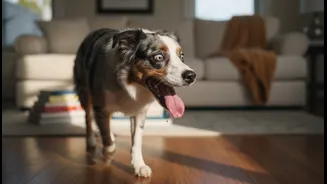
Pets can't tell us when they're uncomfortable, so it's up to owners to watch for the signs. The most obvious indicator of heat-related stress is excessive panting, even when at rest. Other clues include restlessness, reluctance to move, seeking out cool surfaces like tile floors, and increased drooling. When it comes to skin issues caused by dampness, be on the lookout for constant scratching, licking, or chewing at a specific spot. You might notice red or inflamed skin, patchy hair loss, or a musty odor coming from their coat. Pay close attention to the areas between their toes, as trapped moisture there can lead to yeast infections, sometimes indicated by pinkish-stained fur and obsessive licking. If your pet seems more lethargic than usual or avoids their bed, it might be their way of telling you it's unpleasantly damp.
The First Line of Defence: Bedding
The simplest way to ensure a dry space is to focus on the bed itself. Opt for materials that are breathable and quick-drying. Fabrics like linen, percale, nylon, and polyester are excellent choices as they wick moisture away from your pet's body. Some modern pet beds even use 3D air mesh or honeycomb-structured fabrics that are specifically designed for maximum airflow and moisture evaporation. An elevated or raised bed is one of the best options for humid climates. These cot-style beds, often made with a mesh surface, allow air to circulate freely on all sides, keeping your pet cool and preventing moisture from getting trapped underneath. Regardless of the type of bed, frequent washing and—most importantly—thorough drying are essential. Ensure the bed is completely dry before letting your pet use it again to prevent mold and mildew growth. Using a waterproof liner can also protect the inner mattress from absorbing moisture.
Location and Airflow are Key
Where you place your pet's bed can make a significant difference. Avoid placing it in naturally damp areas like basements, laundry rooms, or against cold exterior walls where condensation can form. Instead, choose a spot with good air circulation. Simply opening windows for 5-10 minutes a day can help improve ventilation throughout the house. Running a ceiling or standing fan in the room will also keep the air moving, which helps to dry out surfaces and reduce overall humidity. Ensure there is some space between the bed and any walls to allow air to pass through, further reducing the chance of moisture buildup.
Simple, Pet-Safe Dehumidifying Tricks
For particularly humid rooms, you might need to take more active steps. A dedicated dehumidifier is highly effective, with many modern units designed to be quiet and safe for use around pets. Look for models that have no exposed hot surfaces and a stable design that won't tip over easily. If you're looking for a DIY solution for a small, enclosed space like a closet where bedding is stored, there are several pet-safe options. Placing an open bowl of baking soda or charcoal briquettes can help absorb excess moisture from the air. Commercially available moisture absorbers that use silica gel are also effective, but they must always be placed out of your pet's reach to prevent accidental ingestion. These simple solutions can help create a drier micro-environment around your pet’s favorite resting spot.