






The Push for Clearer Labels
For years, shoppers have had to squint at the fine print on the back of packages to understand what is inside their food. This is set to change. The Food Safety and Standards Authority of India (FSSAI) is in the process of rolling out a new Front-of-Pack
Labelling (FOPL) system. The goal is to provide a simple, at-a-glance summary of a product's healthfulness. The move comes as India faces a rising tide of lifestyle diseases like diabetes, hypertension, and heart conditions, many of which are linked to diets high in processed foods. These new labels are designed to empower consumers to quickly identify foods that are high in salt, sugar, and saturated fats—the so-called “nutrients of concern.”
From Stars to Warnings
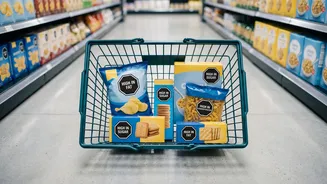
Initially, FSSAI considered a health star rating system, known as the Indian Nutrition Rating (INR), where products would be rated from half a star (least healthy) to five stars (healthiest). However, after discussions and judicial review, the latest proposal leans towards a more direct warning label system. The proposed design features a red hexagon on a white background, which will prominently state if a product is 'High in Sugar', 'High in Salt', or 'High in Fat'. A product could receive a warning even if just one of these nutrients exceeds the prescribed threshold, making it a clear and straightforward signal for shoppers. The Supreme Court has been urging FSSAI to implement these final directions promptly in the interest of public health.
Decoding Salt (Sodium)
The average salt intake in India is around 11 grams per day, more than double the World Health Organization's recommended limit. This high consumption is a major contributor to high blood pressure and cardiovascular diseases. When reading labels, look for 'sodium'. As a rule of thumb, anything over 600mg of sodium per 100g of product is considered high. To find the salt equivalent, you can multiply the sodium content by 2.5. The new warning labels will make it easier to spot high-salt items like chips, pickles, and instant noodles, helping you manage your family's daily intake, which should ideally be under one teaspoon (5 grams) of salt in total.
Spotting Hidden Sugars
Sugar consumption in India has risen dramatically, contributing to health issues. The key is to distinguish between total sugars and 'added sugars'. While total sugars include those naturally present in milk or fruit, 'added sugars' are what you really need to watch out for. Sugar can hide under many names in the ingredients list, including sucrose, high-fructose corn syrup, and dextrose. A general guideline is that a product with over 15g to 22g of sugar per 100g is considered high. The FOPL system will flag these sugary products, from biscuits and breakfast cereals to sauces and beverages, making it simpler to make healthier swaps.
Understanding Fats
Not all fats are created equal. It's the saturated and trans fats that are of primary concern for heart health, while unsaturated fats can be beneficial. Saturated fats are common in bakery items, cream-filled biscuits, and products made with palm oil or vanaspati. A food is generally considered high in saturated fat if it contains more than 5g per 100g. For years, FSSAI regulations have pushed to eliminate trans fats, so most labels should read 0g. The new front-of-pack warnings will provide a clear alert for products high in the 'bad' fats, helping you protect your family's heart health without needing to be a nutrition expert.
How to Use This Information
While the new warning labels will be a powerful tool, the nutrition information panel on the back remains essential. Always check the 'per 100g' column for the most accurate comparison between products, as 'per serving' sizes can be misleading. Also, scan the first three ingredients; since they are listed by weight, they tell you what the product is mostly made of. If sugar, salt, or an unhealthy fat is near the top, it’s a red flag. These new labels are not about banning foods, but about providing the transparency needed to achieve balance and make informed choices for a healthier lifestyle.