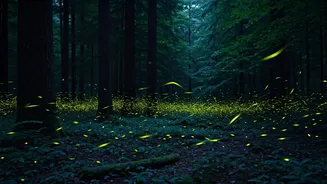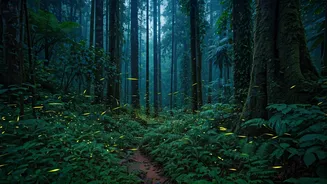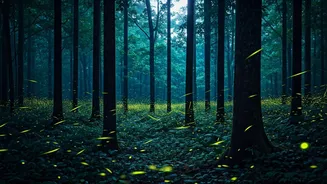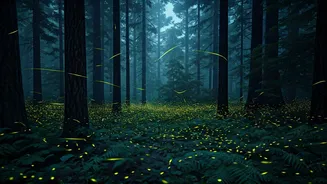



The Science Behind The Spectacle
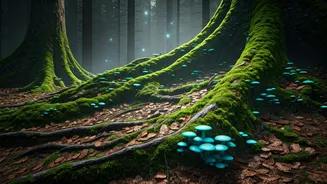
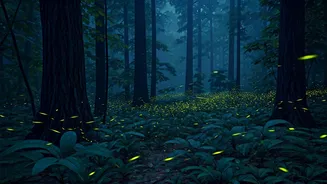
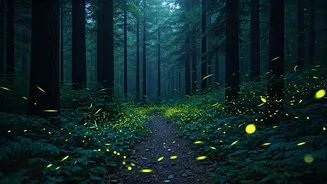
Before you venture into the glowing wilderness, it helps to understand the magic. The enchanting light produced by fireflies, or ‘jugnu’ as we fondly call them, is a phenomenon known as bioluminescence. It’s a chemical reaction within their bodies that
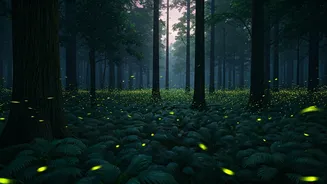
produces ‘cold light,’ meaning it generates almost no heat. For fireflies, these mesmerising flashes are not just for show; they are a complex language of love. Each species has a unique flashing pattern, which males use to attract females during their short mating season. This brief, intense period of courtship is what creates the breathtaking natural light show we get to witness.
When and Why to Go
Timing is everything. The firefly spectacle is a fleeting event, typically occurring in the pre-monsoon period from late May to mid-June. The high humidity and heat of this season create the perfect conditions for the fireflies to thrive and mate before the heavy rains arrive. This is when the forests and countryside, especially in the Western Ghats of Maharashtra, come alive with their synchronised blinking. Planning your trip during these few weeks is crucial to catching the phenomenon at its peak, turning a simple night into an unforgettable, movie-like experience.
Purushwadi: The Original Firefly Village
Often hailed as the epicentre of firefly tourism in India, Purushwadi in Maharashtra is a must-visit. This quaint tribal village, located about 180 km from Mumbai, hosts an annual Firefly Festival that attracts nature lovers from all over the country. Here, it’s not just about watching the fireflies; it’s about experiencing rural life. Local organisations arrange for visitors to stay in tents or homestays, enjoy local cuisine, and participate in activities like rice paddy sowing. As dusk settles, you are guided into the surrounding forests where millions of fireflies create a mesmerising, 360-degree light show among the trees. The sheer density of fireflies here is what makes it feel truly otherworldly.
Bhandardara: A Lakeside Light Show
For those who love the combination of water and woods, Bhandardara is the perfect destination. Nestled in the Sahyadri mountain range, this resort village is known for its stunning Wilson Dam and serene Arthur Lake. During the pre-monsoon season, the forests surrounding the lake become a canvas for countless fireflies. Many local guides and campsites offer night walks and boat rides where you can witness the glowing insects from a unique perspective. The reflection of the twinkling fireflies on the calm lake waters doubles the magic, creating a scene of unparalleled beauty that feels plucked straight from a fantasy film.
Rajmachi: A Trekker's Glowing Reward
If you’re up for an adventure, the trek to Rajmachi Fort offers a rewarding firefly experience. The journey itself, a 15-km walk from Lonavala, is part of the charm. The path is surrounded by dense forests that are teeming with fireflies during the season. Arriving at the base village of Udhewadi at night feels like entering an enchanted realm. Trekkers often camp here, spending the night under a sky full of stars and surrounded by trees lit up by nature’s own fairy lights. The combination of historical ruins, challenging terrain, and the luminous display makes Rajmachi a truly unique and memorable expedition for the adventurous soul.
Tips for a Responsible Visit
To ensure these magical creatures continue to thrive, it's essential to be a responsible tourist. Firstly, avoid using flashlights. Your eyes will adjust to the dark, and the bright light disturbs the fireflies and disrupts their mating patterns. Secondly, tread lightly and quietly. Stick to the designated trails and keep your voice down. Do not try to catch the fireflies or use insect repellents, as these can be harmful. Lastly, leave no trace. Carry all your litter back with you. The goal is to observe this natural wonder without interfering with it, preserving the magic for years to come.