







The Invisible Farmhands
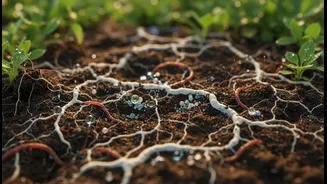
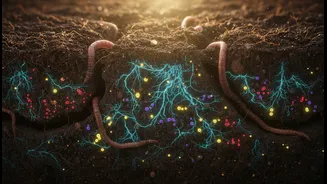
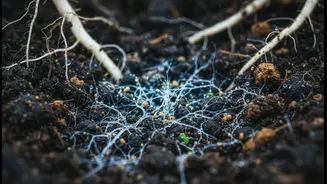
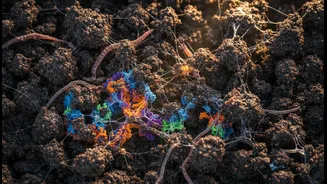
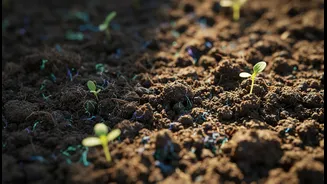
Beneath every field and farm lies a bustling, microscopic metropolis known as the soil microbiome. A single spoonful of healthy soil can contain billions of microorganisms, including bacteria, fungi, and archaea. For a long time, this complex ecosystem
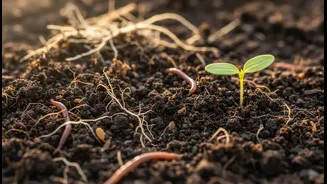
was largely ignored, seen as little more than dirt. Today, it is recognized as a vital component of sustainable agriculture, an army of invisible farmhands that drives soil fertility, plant health, and overall ecosystem resilience. These microbes are not passive residents; they are active participants in the life of a plant, creating intricate symbiotic relationships that are essential for growth and survival. This living network is the primary interface between a crop and its environment, regulating everything from nutrient availability to water retention. Understanding this hidden world is now at the forefront of agricultural innovation.
Nature's Problem Solvers
So, what answers are scientists finding in this microbial world? It turns out, these tiny organisms are masters of efficiency and support. One of their most critical roles is nutrient cycling. Many essential nutrients in the soil, like phosphorus, are often locked in forms that plants cannot use. Certain bacteria and fungi act as natural chemists, solubilizing these bound nutrients and making them available for plant roots to absorb. Others, like the famous rhizobium bacteria, can pull nitrogen directly from the atmosphere—a feat plants cannot perform on their own—and convert it into a usable form, acting as a natural fertilizer. Beyond providing food, microbes also act as a plant's personal security team, suppressing pathogens and producing compounds that protect against disease. They even help plants cope with environmental stress by improving soil structure to hold more water and producing hormones that promote root growth and resilience against drought and salinity.
From the Lab to the Field
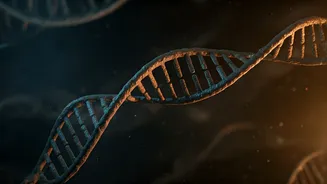
Harnessing this microbial power involves more than just hoping for the best. Scientists are now actively identifying, isolating, and cultivating the most beneficial of these microorganisms. Using advanced DNA sequencing and bioinformatics, researchers can pinpoint specific strains—like those from the Bacillus or Pseudomonas families—that excel at promoting growth or fighting disease. These selected microbes are then grown in large quantities and formulated into products often called biofertilizers or microbial inoculants. These products can be applied in several ways: as a coating on seeds before planting, as a liquid drench applied to the soil, or through root dipping. The goal is to introduce a high concentration of these beneficial microbes directly into the plant's root zone, or rhizosphere, giving the crop a significant head start and a powerful ally for the entire growing season.
A Greener, Smarter Future for Farming
The implications of this shift toward microbial solutions are vast, representing a move from intensive chemical inputs to a more biological, systems-based approach. By enlisting microbes, farmers can potentially reduce their reliance on synthetic fertilizers and pesticides. This not only lowers costs but also mitigates the environmental damage associated with chemical runoff, such as water pollution and soil degradation. Healthier soils rich in microbial diversity are better at storing carbon, retaining water, and resisting erosion. For consumers, this path leads to more sustainably produced food. For farmers, it offers a way to build long-term soil health and create more resilient, productive operations in the face of unpredictable weather patterns. It’s a transition from simply feeding the plant with chemicals to nurturing the soil ecosystem so it can sustain the plant naturally, a cornerstone of regenerative agriculture.