



Know Your Enemy: Understanding Humidity
Before you can tackle the dampness, it helps to understand it. Humidity is the amount of water vapour in the air. During the monsoon, the air outside is saturated with moisture, and it inevitably seeps into our homes. The ideal indoor humidity level for comfort
and health is between 40% and 50%. When levels creep above 60%, it creates a perfect breeding ground for mould, mildew, and dust mites, which can trigger allergies and respiratory issues. This excess moisture can also cause wood furniture and doors to swell and warp, and create a persistent musty odour throughout your home.
Ventilation Is Your First Line of Defence
It might seem counterintuitive to open windows during a humid season, but strategic ventilation is crucial. The key is to do it when the air outside is relatively drier, such as in the early mornings or late evenings if it isn't raining. Even 15-20 minutes of cross-ventilation can help expel stale, moist air. More importantly, always use your exhaust fans. Run the kitchen chimney or exhaust fan while cooking to vent out steam, and keep the bathroom fan on during and for about 15-20 minutes after a shower to prevent that moisture from spreading through the house. Good airflow prevents moisture from settling and becoming a problem.
The Power of a Dehumidifier
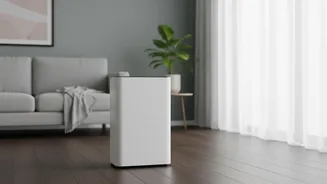
For areas with persistent dampness, a dehumidifier is the most effective tool in your arsenal. This appliance works by pulling in humid air, passing it over cool coils to condense the moisture into water, and then releasing drier air back into the room. While an air conditioner's 'dry mode' can help, it's not as efficient for targeted moisture removal and also cools the room. A dehumidifier, on the other hand, is built specifically to control humidity. Place portable units in problem areas like basements, laundry rooms, or poorly ventilated bedrooms for the best results.
Embrace Natural and Low-Cost Solutions
You don’t always need a machine to fight humidity. Several household items can act as natural moisture absorbers. Placing bowls of rock salt or charcoal briquettes in damp corners, cupboards, or closets can help draw moisture out of the air. Baking soda is another effective option for smaller spaces; it will harden as it absorbs moisture, letting you know when to replace it. For a pleasant-smelling alternative, coffee grounds can help absorb both moisture and musty odours. While houseplants add to humidity through transpiration, you can mitigate this by ensuring they are not overwatered and covering the soil with a layer of pebbles.
Adopt Smart Household Habits
Small changes to your daily routine can make a big difference. When cooking, always cover your pots and pans to minimize the amount of steam released into the air. Opt for shorter, cooler showers to reduce bathroom humidity. Avoid drying clothes indoors if possible, as a load of wet laundry can release a significant amount of water into the air. If you must dry them inside, place them in a well-ventilated room, preferably with a fan running or near a dehumidifier. Finally, check for and repair any leaks in your plumbing or roof, as these are direct sources of unwanted moisture.
Protect Your Wardrobes and Belongings
High humidity is particularly damaging to clothes, books, and electronics. To protect items in your cupboards, ensure there is some space between them to allow air to circulate. Don't pack clothes too tightly. You can place silica gel packets, camphor balls, or even neem leaves inside wardrobes to ward off both moisture and insects. Regularly open your closets for a few hours on dry days to air them out. This prevents that familiar musty smell and stops mildew from taking hold on your favourite garments and valuable possessions.