






The Science of Opposites
At first glance, fresh mint and earthy cumin seem to come from different worlds. Mint gets its characteristic coolness from menthol, a compound that cleverly triggers the cold-sensitive receptors in our mouths without actually changing the temperature.
It's a trick of perception that delivers a clean, refreshing sensation. Cumin, on the other hand, provides a deep, pungent warmth. Its flavour is robust and nutty, a quality that anchors a dish. In culinary traditions like Ayurveda, mint is considered a 'cooling' herb, while cumin is a 'warming' spice. Together, they create a beautifully balanced profile where the bright notes of mint cut through the rich earthiness of cumin, resulting in a flavour that is complex and complete.
A Tale of Two Forms
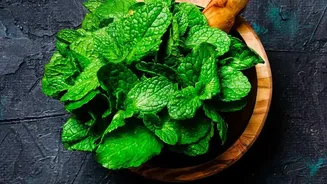
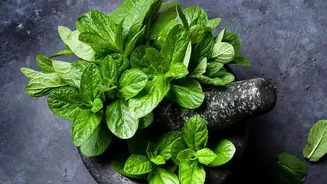
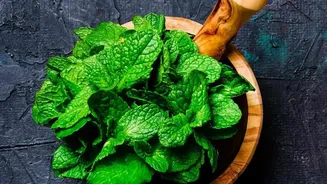
The headline specifies 'fresh leaves' and 'toasted seeds' for a reason. The form in which you use these ingredients matters immensely. Fresh mint leaves offer a vibrant, clean, and delicate flavour that can be lost with prolonged cooking. This is why they are often added at the end of a recipe or used in raw preparations like chutneys and salads. Dried mint has a different character entirely—it's more woody and mellow, often used in rubs and stews. Cumin seeds, meanwhile, undergo a magical transformation when toasted. Heating them in a dry pan for just a minute or so releases their essential oils, deepening their flavour from raw and slightly bitter to nutty, smoky, and intensely aromatic. This simple step is non-negotiable for anyone looking to get the most out of this incredible spice. Grinding the seeds after toasting provides the most potent flavour.
Across the Global Kitchen
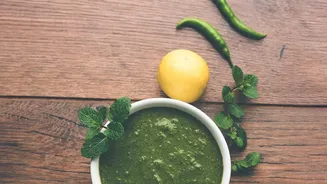
This pairing is not confined to one region; it's a testament to its versatility, appearing in cuisines across India, the Middle East, and North Africa. In India, the duo is the star of countless raitas and chutneys. A simple mint-cumin yogurt dip, or 'pudina chutney', is a staple accompaniment to spicy snacks and meals, with the cooling yogurt and mint providing relief from the heat of chilies. The popular drink Jaljeera relies on this combination for its signature refreshing and digestive properties. In Middle Eastern cooking, mint and cumin are frequently used to season meats like lamb, create dressings for vibrant salads like tabbouleh, and flavour vegetable dishes. Whether in a Moroccan tagine or a Lebanese marinade, the pairing provides a fragrant, savoury contrast.
Getting Started in Your Kitchen
Incorporating this pair into your own cooking is simple. A great starting point is a classic Mint-Cumin Raita. Simply whisk plain yogurt until smooth and stir in finely chopped fresh mint, a pinch of roasted ground cumin, and a little salt. It’s an instant upgrade for curries, grilled meats, or even as a simple dip. For a flavourful marinade, combine olive oil, lemon juice, minced garlic, chopped mint, and toasted cumin powder. This works wonderfully on chicken, paneer, or lamb before grilling or roasting. You can also create a simple but elegant side dish by tossing roasted vegetables, like carrots or beets, with a dressing of lemon juice, olive oil, toasted cumin, and fresh mint just before serving.