




The Rise of Bean-to-Bar
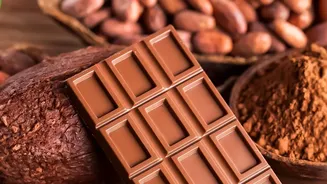
A delicious shift is happening in how India experiences chocolate. The focus is moving from industrial confectionery to artisanal creation, led by a movement known as 'bean-to-bar'. This approach means the chocolatier controls the entire process, from sourcing
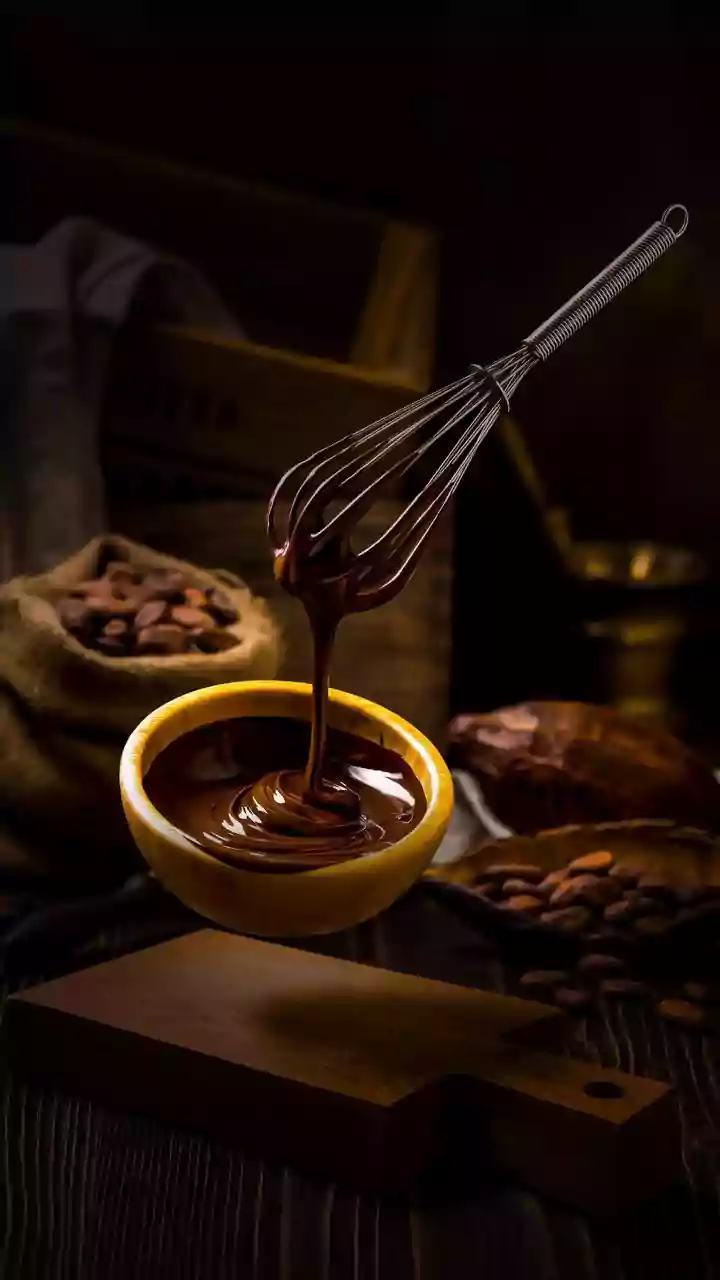
the raw cocoa beans directly from farmers to roasting, grinding, and moulding the final bar. This hands-on method allows makers to highlight the unique flavours of the beans, much like a winemaker expresses the character of grapes. This movement has found fertile ground in India, where consumers are increasingly curious about origin, craft, and quality.
South India's Cacao Terroir
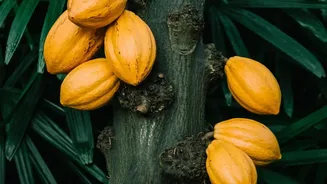
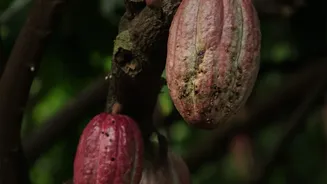
The heart of this revolution lies in the lush landscapes of South India, primarily in states like Kerala, Tamil Nadu, Andhra Pradesh, and Karnataka. Regions like the Idukki hills in Kerala and the Godavari basin in Andhra Pradesh are becoming epicentres for high-quality cacao. What makes this cocoa special is its 'terroir'—a term describing how a region's specific soil, climate, and surrounding flora influence the final flavour. In South India, cocoa is often intercropped with spices like cardamom and pepper, or fruits like coconut and banana, which can impart subtle, complex notes into the beans themselves. This results in chocolate with uniquely Indian flavour profiles—think fruity, spicy, and earthy notes you won't find anywhere else.
Meet the Chocolate Makers
A passionate group of entrepreneurs is championing this change. Brands like Mason & Co in Auroville, one of India's bean-to-bar pioneers, focus on organic and vegan chocolate sourced from South Indian farms. Kochi-based Paul And Mike are known for their farm-to-bar approach and innovative bars featuring Indian fruits like sitaphal and jamun. Soklet has taken the concept a step further by being a 'tree-to-bar' maker, growing their own cacao on their plantations in the Anamalai foothills. Others, such as Manam Chocolate in Hyderabad and Naviluna in Mysuru, are meticulously sourcing beans and highlighting the distinct characteristics of single farms and regions, earning international awards and putting Indian cacao on the global map.
What Makes It a Luxury?
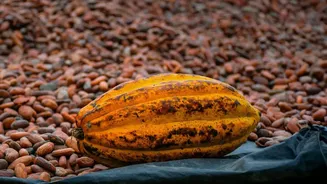
The luxury label isn't just about price; it's about the immense care and quality invested at every stage. Unlike mass-market chocolate, which prioritizes uniformity, craft chocolate celebrates nuance. The process begins with working directly with farmers to ensure high-quality, ethically grown beans, often paying a premium for their crop. Crucial steps like fermentation and drying, once overlooked, are now seen as vital for developing complex flavours. Artisans then fine-tune the roasting process to bring out specific notes before slowly grinding the beans for days. This meticulous, small-batch production is the opposite of industrial efficiency, but it results in a product with unparalleled depth and character, worthy of being savoured.
A New Taste of India
For decades, the reputation of Indian cocoa was hampered by a focus on yield over flavour. But craft makers have proven that with the right care, Indian beans can produce world-class chocolate. The flavour profiles are distinctly bright, fruity, and acidic, a world away from the classic taste of African or South American cocoa. Some chocolatiers are even exploring how different harvest seasons—like monsoon versus dry season—create subtle variations in taste, offering a true reflection of the local environment. This focus on origin and flavour is educating the Indian palate, which is slowly adjusting from the familiar sweetness of compound chocolates to the complex, intense experience of high-quality dark chocolate.