




Beyond the Bulb: What Is Ambient Lighting?
Ambient lighting is the foundational layer of light in any room. Often called general lighting, its purpose is to provide overall, uniform illumination, allowing you to navigate a space safely and comfortably. Think of it as the soft, diffuse glow that
fills a room, coming from sources like ceiling fixtures, recessed lights, or wall sconces. Unlike task lighting, which is focused for activities like reading, or accent lighting, which highlights artwork, ambient light sets the room's entire mood. Without it, other light sources can feel harsh and create stark shadows, making a space feel disjointed and unwelcoming.
Shaping Your Space with Light
A well-planned ambient light layout can dramatically alter the perception of a room. By washing walls and ceilings with light, you can make a space feel larger, more open, and more inviting. For example, using wall sconces or cove lighting to direct light upward can create the illusion of higher ceilings. Conversely, using lower-level light sources like floor lamps can make a large, impersonal room feel cozier and more intimate. Strategic placement can also de-emphasize awkward corners or highlight architectural features, turning a simple layout into a dynamic and visually interesting environment. The goal is to create a comfortable visual foundation that reduces glare and eye strain, making your time indoors more pleasant.
The Science of Light and Sleep
The connection between lighting and rest is deeply rooted in our biology. Our bodies run on a 24-hour internal clock, or circadian rhythm, which is heavily influenced by light exposure. This clock tells us when to feel alert and when to wind down. Exposure to bright, cool-toned light—similar to daylight—suppresses the production of melatonin, the hormone that makes us feel sleepy. While this is great for staying focused during the day, exposure to this kind of light in the evening from overhead fixtures and screens can trick our brains into thinking it's still daytime, disrupting our natural sleep-wake cycle and making it harder to fall asleep.
Designing for Day and Night
The key to a dual-purpose lighting scheme is adaptability, often referred to as Human-Centric Lighting (HCL). This approach involves designing lighting systems that mimic the natural progression of sunlight throughout the day. During daytime hours, brighter, cooler light (around 4000K-5000K) can enhance focus and productivity. As evening approaches, the lighting should shift to a warmer, softer glow. This is achieved by layering light and using dimmers. Instead of relying on a single bright overhead light, use a combination of lamps and fixtures that can be controlled independently. This allows you to transition from a functional, bright space to a relaxing, calm one.
Practical Tips for Better Rest
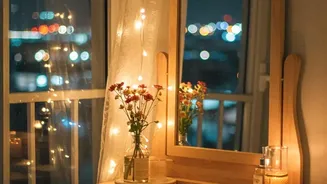
To support your body's natural transition to sleep, focus on warm-toned light in the evening. Opt for bulbs with a color temperature of 2700K to 3000K, which emit a cozy, yellowish hue similar to a sunset. In the bedroom, avoid bright overhead fixtures in the hours before bed. Instead, use bedside lamps with warm bulbs for reading and winding down. Dimmers are an invaluable tool, allowing you to lower the intensity of ambient light gradually. Smart lighting systems can even automate this process, slowly warming and dimming the lights as bedtime nears, signaling to your body that it’s time to rest.