
October’s Double Feature: Draconids and Orionids
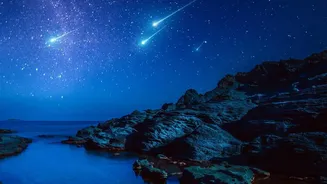
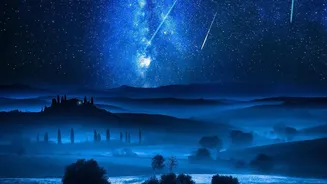
October offers two distinct meteor showers. First up are the Draconids, peaking on the evening of October 9th. This is an unusual shower because it's best viewed in the early evening right after sunset, not in the pre-dawn hours. While typically modest,
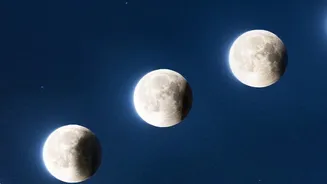
producing about 10 meteors per hour, the moon will be a thin crescent, making for excellent dark-sky conditions. Later in the month, look for the Orionids, which peak on the night of October 21-22. These meteors are famous for being fast and bright, often leaving glowing trails. They are debris from the famous Halley's Comet. However, a bright waxing gibbous moon in 2026 will likely wash out all but the most brilliant meteors, making viewing a challenge.
November: Leonids and a Planetary Dance
The Leonid meteor shower, peaking on November 16-17, is known for its speed. These meteors hit the atmosphere at a blistering 71 kilometres per second, which often results in spectacular fireballs and persistent trains that can linger for several seconds. A 45% full moon will interfere with viewing conditions, but the sheer speed and brightness of the Leonids still make them a worthwhile target. Just a day before, on the night of November 15-16, a beautiful conjunction of Jupiter and Mars will take place. The two planets will appear very close together in the constellation Leo, visible to the naked eye. Jupiter will shine with a bright, steady white light, while Mars will be distinctly reddish. Look for them to rise in the east around midnight.
December’s Grand Finale: The Geminids
Arguably the best celestial event of the year for Indian observers is the Geminid meteor shower, which peaks on the night of December 13-14. Often called the 'king of meteor showers', the Geminids can produce up to 120 meteors per hour under perfect conditions. In 2026, the peak coincides with a near-new moon, promising exceptionally dark skies. Unlike many other showers, the Geminids are active earlier in the night; you can start watching from 9 p.m. onwards as the radiant point in the constellation Gemini rises in the northeast. The meteors are also known for being slower and denser, making them easier to spot. With reliably clear skies across most of India in December, this is the one shower to mark on your calendar.
How to Best Watch These Events
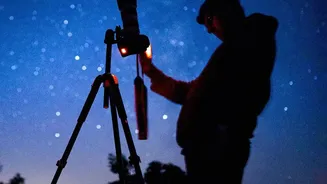
You don't need a telescope or binoculars for meteor showers. The key is to find a location away from city lights, which can drastically reduce the number of visible meteors. Give your eyes about 20 to 30 minutes to fully adapt to the darkness. Lie back on a blanket or reclining chair and look straight up, taking in as much of the sky as possible. While the showers have a radiant point, meteors can appear anywhere in the sky. Patience is essential. For planetary conjunctions, while they are visible to the naked eye, a pair of binoculars can enhance the view, revealing more detail and colour. Always check the weather forecast before you head out, as clouds are the ultimate spoiler for any stargazing activity.