







What June's Inflation Numbers Mean for You
On July 13, government data showed that retail inflation, measured by the Consumer Price Index (CPI), jumped to 4.4% in June. This is the first time it has crossed the Reserve Bank of India's 4% target in over a year. The main drivers were rising costs
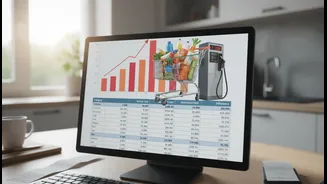
for food and transport. Food inflation climbed to 5.32%, with everyday items like tomatoes and ginger seeing significant price surges. Transport costs also rose by 4.31% in June, reflecting higher fuel prices. In simple terms, your monthly budget is being squeezed from multiple sides. The money you set aside for groceries, commuting, and other basics now buys you less than it did before. While housing inflation remained relatively low, the overall trend points towards a higher cost of living that directly impacts your disposable income.
Rebalance, Don’t Panic
When costs rise, the first instinct is often to make drastic, panicked cuts. This might mean abruptly stopping SIPs, ditching insurance premiums, or cutting off all discretionary spending. While this feels proactive, it can be counterproductive. Financial experts advise a calmer approach: rebalancing. Panic cuts are reactive and often unsustainable, leading to a quick rebound to old habits. Rebalancing, on the other hand, is a strategic review of your finances. It involves analysing your spending, identifying true essentials, and making thoughtful adjustments rather than across-the-board slashes. The goal is to create a durable spending plan that aligns with your long-term goals—like saving for a down payment or retirement—not just surviving the month.
Master the Art of Tracking Essentials
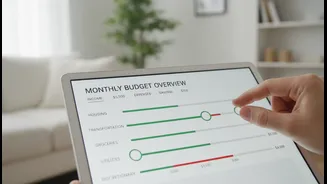
The first step to rebalancing is knowing exactly where your money goes. This means tracking your expenses to separate 'needs' from 'wants'. Needs are your non-negotiable costs: rent or EMI, utilities, groceries, and transport for work. Wants are everything else: dining out, subscriptions you barely use, impulse shopping, and entertainment. Use a budgeting app or a simple spreadsheet to categorise your spending for a month. You’ll likely find surprises in your 'wants' category. The popular 50/30/20 rule can be a useful guide: 50% of your income for needs, 30% for wants, and 20% for savings and investments. During high inflation, you may need to adjust these ratios, perhaps shifting some of the 'wants' allocation to cover rising 'needs'.
Identify Smart Cuts and Avoid 'Lifestyle Drift'
Once you know your spending patterns, you can make informed cuts. Start with the low-hanging fruit. Are you subscribed to multiple streaming services? Do you order food online more often than you cook? These convenience-driven expenses add up. Reducing their frequency, rather than eliminating them entirely, can free up significant cash. This is also a crucial time to guard against 'lifestyle drift'—the tendency to increase spending as your income grows. If you’ve managed to create some breathing room in your budget through smart cuts, the temptation is to immediately fill it with new spending. Instead, channel these savings directly into an emergency fund or increase your investment contributions. An emergency fund covering 3-6 months of essential living expenses is a critical buffer against financial shocks, preventing you from falling into debt when unexpected costs arise.