







Tackling Mould and Mildew on Walls
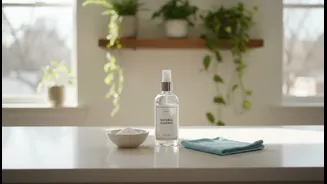
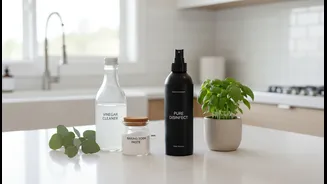
High humidity makes walls and ceilings prime breeding grounds for unsightly and unhealthy mould. To combat this, a simple vinegar spray is highly effective. Mix equal parts white vinegar and water in a spray bottle. Spray directly onto the affected areas,
let it sit for about an hour, and then scrub the surface clean with a brush. Vinegar's natural acidity kills mould spores and helps prevent their return. For an extra antifungal boost and a pleasant scent, you can add a few drops of tea tree oil to the solution. Remember to ensure good ventilation while cleaning.
Banishing Musty Odours in Cupboards
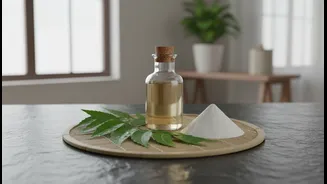
Cupboards and wardrobes often trap moisture, leading to a pervasive musty smell on clothes and linens. To fight this, you need to absorb excess moisture and neutralise odours. Placing small, open bowls of baking soda or rock salt inside cupboards can work wonders as natural dehumidifiers. For an active approach, wipe down the interior surfaces of empty cupboards with a solution of white vinegar and water. You can also place small porous bags filled with dried neem leaves or a few sticks of cinnamon to keep the space smelling fresh and deter pests.
Protecting Wooden Furniture from Swelling
Wooden furniture is particularly vulnerable during the monsoon, as high humidity can cause it to swell, warp, and crack. While maintaining a consistent indoor climate with a dehumidifier is ideal, simple care can also make a big difference. Regularly wipe down your wooden furniture with a soft, dry cloth to prevent moisture from settling on the surface. Avoid using wet cloths for cleaning. For added protection, you can polish furniture with natural oils like lemon oil a few times a year, which helps moisturise the wood and create a protective barrier. Keeping furniture slightly away from damp walls also helps improve air circulation and reduce moisture exposure.
Naturally Repelling Monsoon Pests
The rainy season often invites unwanted guests like ants, mosquitoes, and other insects into our homes. You can create effective, natural repellents using kitchen ingredients. A spray made from neem oil is a powerful deterrent. Mix about 5 ml of neem oil with a litre of water and a few drops of liquid soap, which acts as an emulsifier. Spray this solution around window sills, drains, and other entry points to disrupt the life cycle of pests. For ants, a line of chalk or a sprinkle of cinnamon powder at entry points can be an effective barrier. The strong scent of vinegar also deters ants; wiping floors with a vinegar-water solution can help erase their scent trails.
Freshening Damp Carpets and Rugs
Carpets and rugs can become magnets for moisture and musty smells during the monsoon. If they feel damp, it's crucial to act quickly to prevent mildew. Baking soda is an excellent natural deodoriser and moisture absorber. Sprinkle a generous layer of baking soda over the entire surface of the dry carpet or rug. Let it sit for at least 30 minutes, or even a few hours, to absorb odours and dampness, and then vacuum it up thoroughly. On sunny days, take the opportunity to air out your rugs and carpets outdoors, as sunlight is a natural disinfectant.
Keeping Drains Clear and Odour-Free
With increased moisture and organic matter, drains can easily become clogged and smelly during the monsoon. A combination of baking soda and vinegar can create a fizzy reaction that helps loosen mild clogs and neutralise odours. Pour about half a cup of baking soda down the drain, followed by a cup of white vinegar. Let it fizz and work its magic for about 15 minutes, then flush the drain with hot water. Doing this weekly can help maintain clear, fresh-smelling drains throughout the season, preventing bigger blockages from forming.