







The Silent Crisis in Our Taps
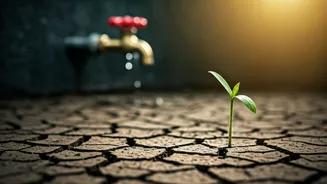
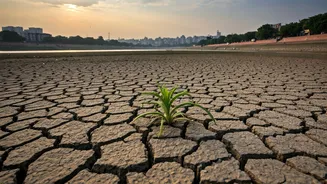
For many young, urban Indians, the water crisis is a tale of two extremes. On one hand, there's the anxiety of taps running dry, with cities like Delhi and Bengaluru facing drastic groundwater depletion. A NITI Aayog report warned that 21 major cities could
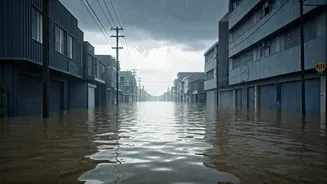
see their groundwater run out in the near future. On the other hand, there are monsoons that bring not relief, but deluge, overwhelming poor drainage and causing floods. Compounding this is the issue of contamination; many urban rivers are little more than channels for industrial and domestic waste, making clean water progressively scarcer and more expensive. This isn't a distant, abstract problem. It affects public health, creates deep social inequity, and puts a brake on economic growth.
The Missing Piece: A Generational Stake
Urban water management in India has traditionally been a top-down affair, dominated by engineers and bureaucrats. While their expertise is vital, this approach often lacks a long-term, holistic vision. Today’s planning decisions—or lack thereof—will have the most significant impact on the generation that will inhabit these cities for the next 50 years. Young people bring a profoundly different perspective to the table. Raised in the era of climate change, they possess a greater ecological consciousness and a demand for sustainable, nature-based solutions. Furthermore, their digital fluency can be a game-changer, helping to innovate, mobilise communities, and demand transparency in a sector often seen as opaque.
From Apathy to Action: Overcoming Barriers
So, why aren't more young people involved? A major hurdle is the perception that water management is a highly technical and frankly, 'boring' subject, disconnected from daily life. There is also a significant lack of clear, accessible platforms for participation. When policy discussions are confined to closed-door meetings and complex reports, it creates a formidable barrier to entry for the average citizen, let alone a young student or professional. However, this is changing. Groups like the Indian Youth Water Network are working to bridge this gap, ensuring that the voices of young people from diverse fields like law, social science, and technology are included in national policy discussions. The key is to demystify water governance and make it clear that everyone has a stake in the outcome.
A Blueprint for Youth-Led Change
Getting involved doesn't necessarily mean chaining yourself to a government office. The entry points for youth participation are more diverse than ever. On a local level, it can be as simple as attending ward committee meetings to understand and question local water projects. Citizen science initiatives, like monitoring water quality in local lakes or mapping rainwater harvesting potential, provide hands-on experience. Social media has become a powerful tool for advocacy, allowing young people to launch campaigns, spread awareness, and hold officials accountable. In Maharashtra, the Youth Engagement and Water Stewardship (YEWS) programme has established 'Green Clubs' in over a thousand colleges, empowering students to conduct water audits and lead conservation drives in their communities. These models show that meaningful contribution is possible at every scale.
Inspiring a New Wave of Water Warriors
Across India, young changemakers are already demonstrating the power of initiative. In Bengaluru, two 15-year-old students worked with an NGO to convince housing societies to adopt community rainwater harvesting systems. In Karnataka, a young social worker, moved by his mother's daily struggle for water, now leads a project that uses a mobile app to drive water conservation at a community level. Another 22-year-old engineer developed an affordable polymer-lined pond system, helping thousands of farmers conserve billions of litres of water. These stories are not just inspiring; they are proof that youth-led innovation can create practical, scalable solutions to some of India’s most daunting water challenges.