
A New Window on the Cosmic Dawn
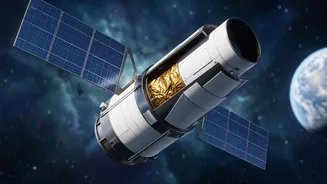
Since its launch, the James Webb Space Telescope (JWST) has been humanity's most powerful eye on the cosmos. A joint project of NASA, the European Space Agency (ESA), and the Canadian Space Agency (CSA), its primary mission is to see the unseen. Unlike
its predecessor, the Hubble Space Telescope, which primarily observes in visible light, Webb is designed to see the universe in infrared. This special capability allows it to do two extraordinary things: peer through dense clouds of cosmic dust that obscure celestial objects and detect the faint, stretched-out light from the most distant galaxies, effectively looking back to a time just a few hundred million years after the Big Bang.
What Are Stellar Nurseries?
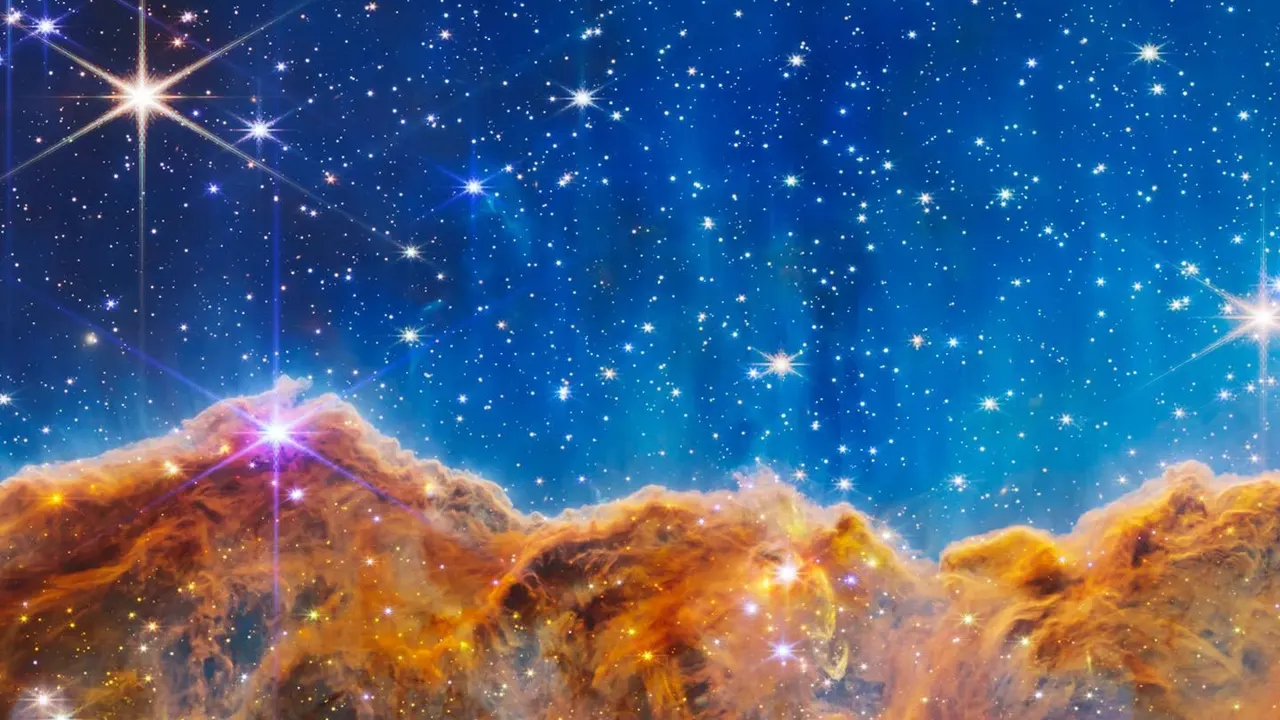
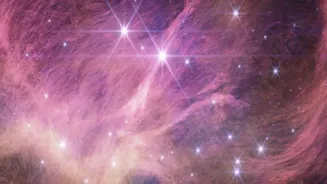
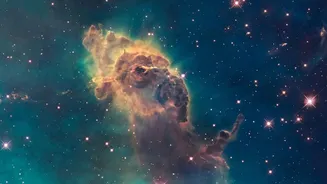
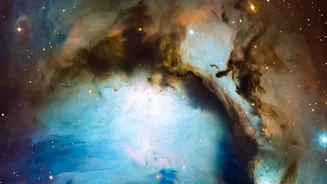
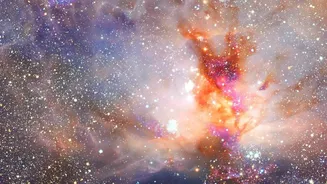
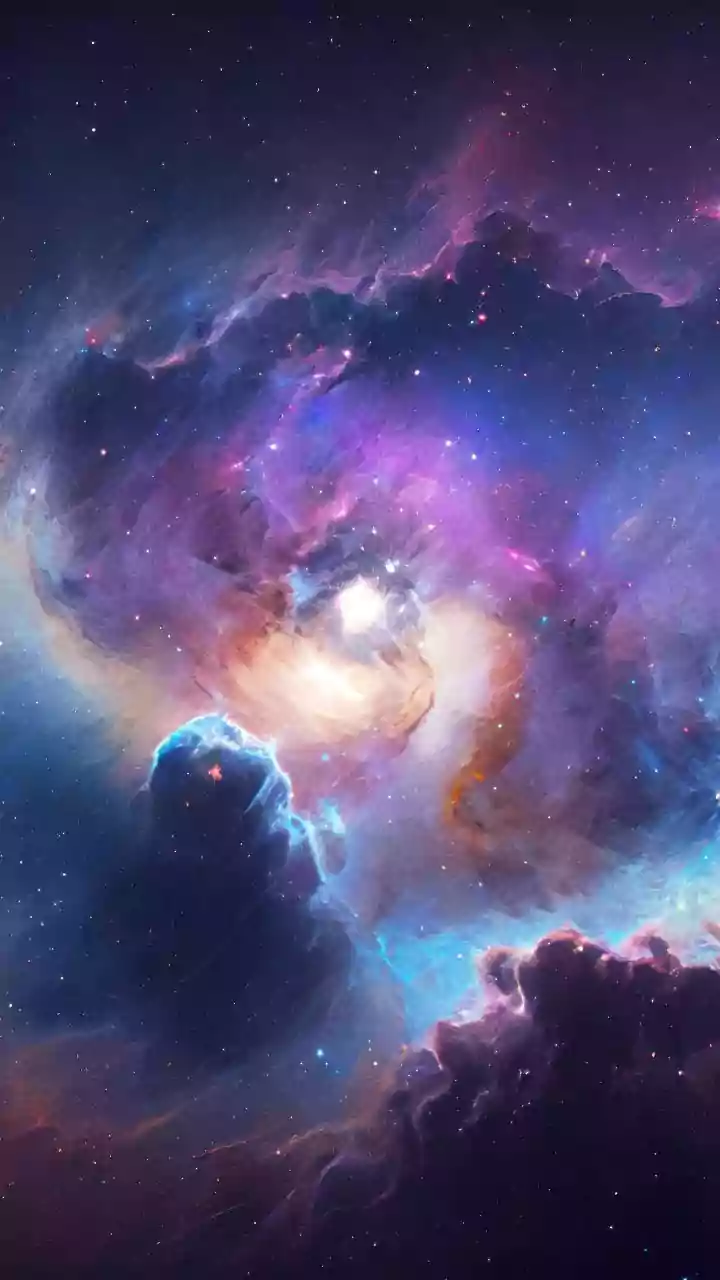
Think of stellar nurseries as cosmic maternity wards. These are vast, dense clouds of gas and dust where the conditions are just right for stars to ignite and come to life. Within these nebulas, gravity pulls clumps of material together, causing them to heat up and eventually become hot enough to start nuclear fusion, the process that makes stars shine. For decades, astronomers have studied these nurseries in our own Milky Way, but seeing them in the infant universe has been a monumental challenge. Finding them is key to understanding not just how stars form, but how quickly the first galaxies grew and evolved.
A Flurry of Landmark Discoveries
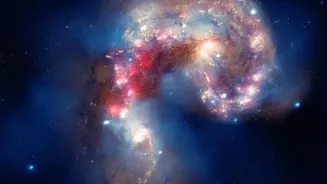
Recent observations from Webb have unveiled a universe that was far more dynamic and developed in its youth than previously imagined. The telescope's instruments have pierced through the cosmic fog to find galaxies churning out stars at incredible rates, sometimes hundreds of times faster than our own galaxy does today. One recent image highlighted Arp 263, a galaxy whose unusual shape is the result of a past merger. Webb's infrared vision cut through its dust to reveal brilliant clumps of star-forming regions, providing a detailed look at how galactic collisions can trigger bursts of new star birth. This data confirms that the early universe wasn't a quiet place gradually building stars; it crackled with energetic bursts of creation.
Rewriting the Story of Star Formation
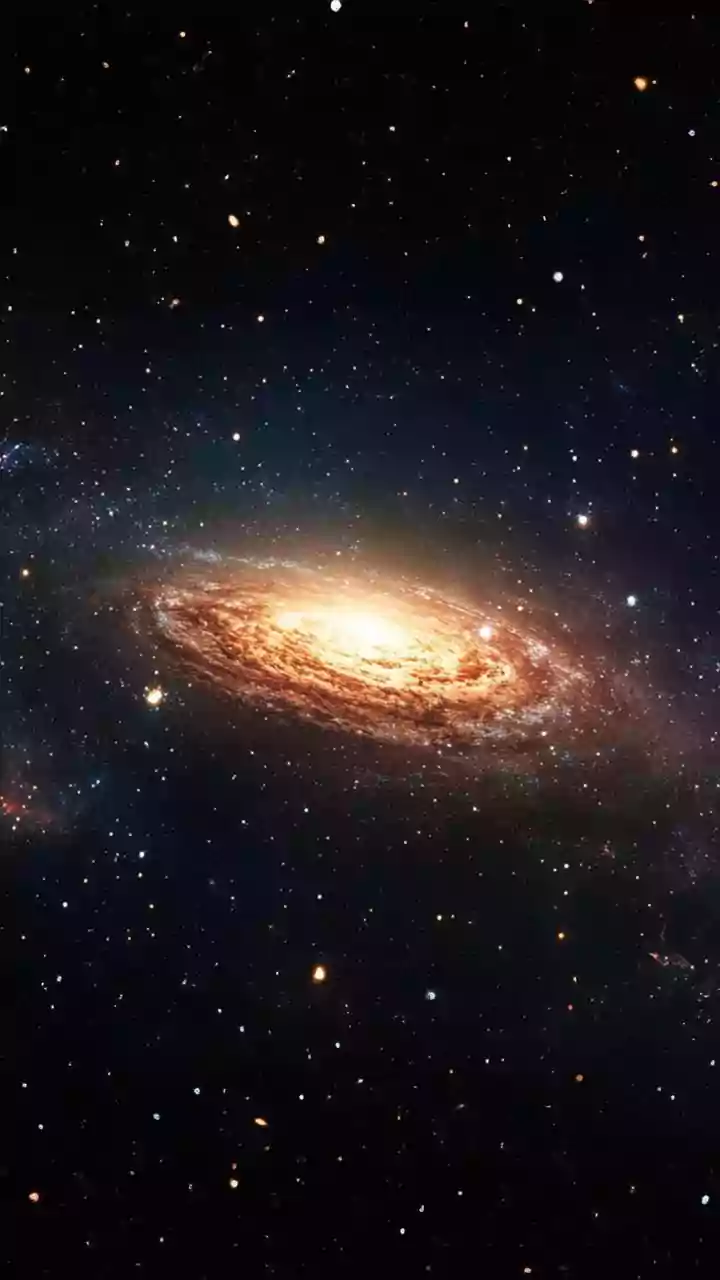
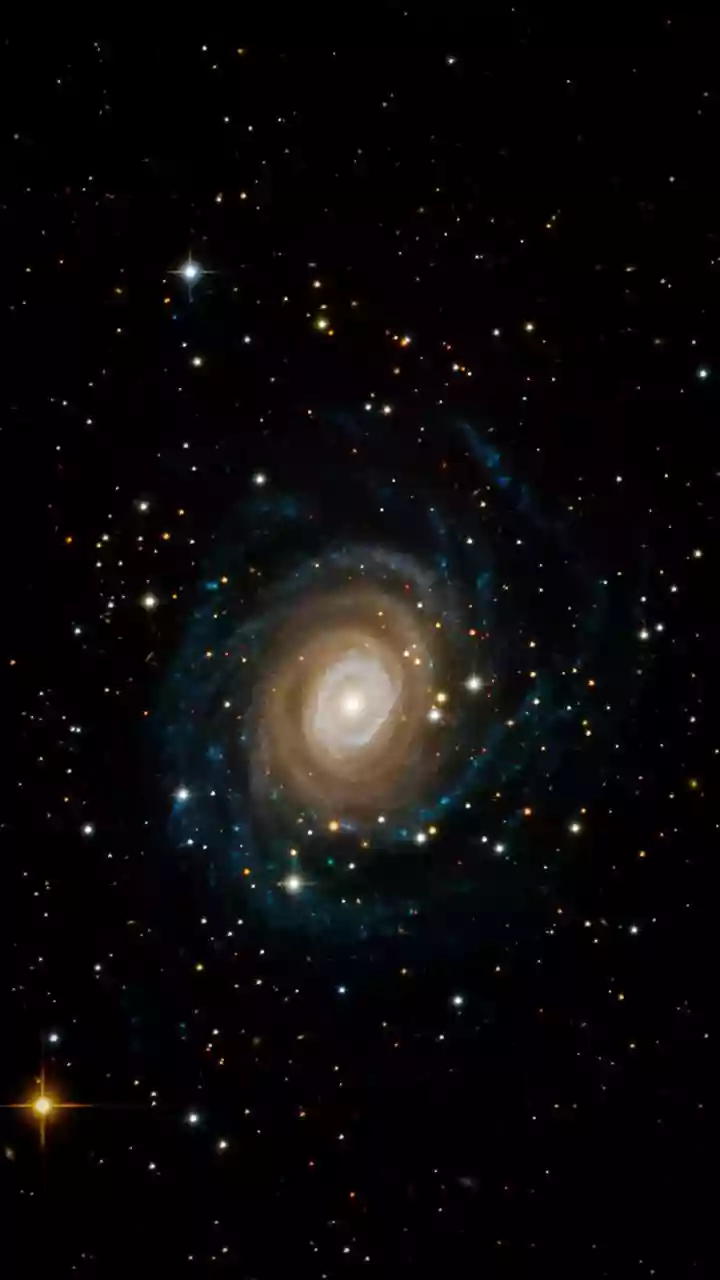
These findings are forcing astronomers to rethink long-held theories about cosmic evolution. The presence of such active and structured stellar nurseries in galaxies that existed when the universe was less than a billion years old suggests that the processes for building galaxies kicked into gear much earlier than models predicted. For example, recent studies using Webb data have revealed that these early galaxies may be up to four times more massive than previously estimated, hiding a huge population of faint, low-mass stars. This implies that the first galaxies assembled with surprising speed, creating complex structures like spiral arms and star clusters far sooner than once thought possible. Every new image provides another piece of the puzzle, helping scientists refine their understanding of how we got from the Big Bang to the star-filled cosmos we see today.
The Unmatched Power of Infrared
The secret to Webb's success is its ability to see infrared light, which is invisible to the human eye. Light from the earliest galaxies has been travelling for over 13 billion years to reach us. As the universe expands, this light gets stretched into longer, redder wavelengths—a phenomenon known as redshift. Webb's giant, gold-coated mirror and highly sensitive instruments are specifically designed to capture this faint, ancient light. This allows it to see past the dust that would blind other telescopes, giving us a clear view of newborn stars and the 'cosmic dawn'. It is this technological marvel that has opened a new, previously invisible chapter of the universe for exploration.