



The End of the Sofa Era?
For generations, the sofa has been the undisputed king of the living room—a symbol of stability, comfort, and domestic life. It was often the first major furniture purchase for a new home. But for many in Generation Z (born roughly between 1997 and 2012),
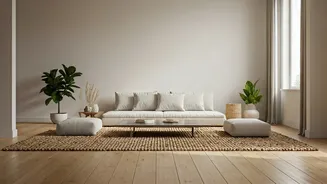
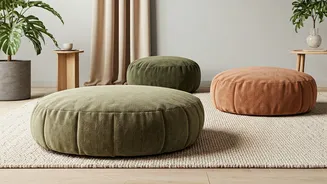
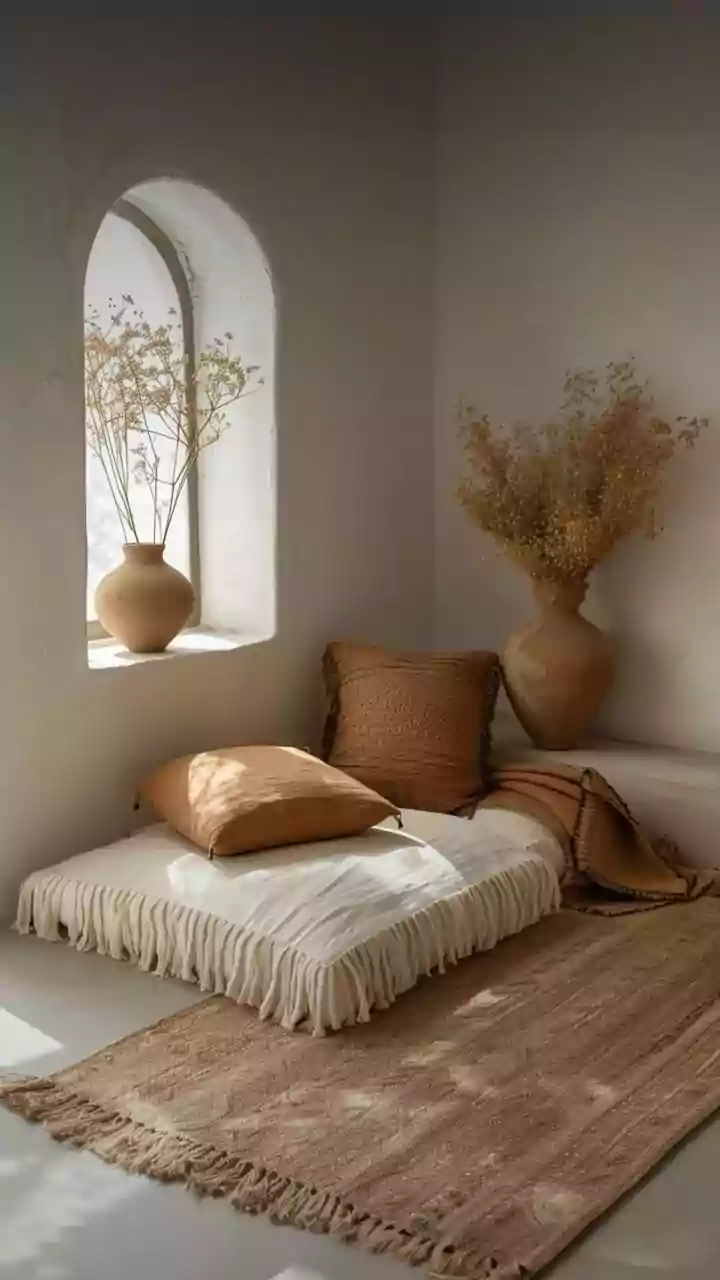
this bulky centrepiece no longer fits their lifestyle. Instead, they are embracing what’s being called ‘low-level living.’ This aesthetic involves using floor cushions, plush poufs, bean bags, and low-profile modular chaises to create seating areas. The result is a space that feels more open, flexible, and informal, a stark contrast to the structured living rooms of their parents.
Driven by Practicality and Portability
The primary driver behind this trend is practicality. Gen Z is a generation of renters, often living in smaller urban apartments and moving frequently for jobs or education. A three-seater sofa is expensive, heavy, and a logistical nightmare to transport up narrow staircases. In cities like Bengaluru, Mumbai, and Delhi, where young professionals hop between rented flats, this mobility is key. Low-level cushions and modular pieces are lightweight, easy to pack, and adaptable to different room layouts. This ‘nomadic’ approach to furnishing a home prioritises flexibility over permanence, reflecting the realities of a generation that values experiences and freedom over long-term material possessions.
The Influence of a Global Aesthetic
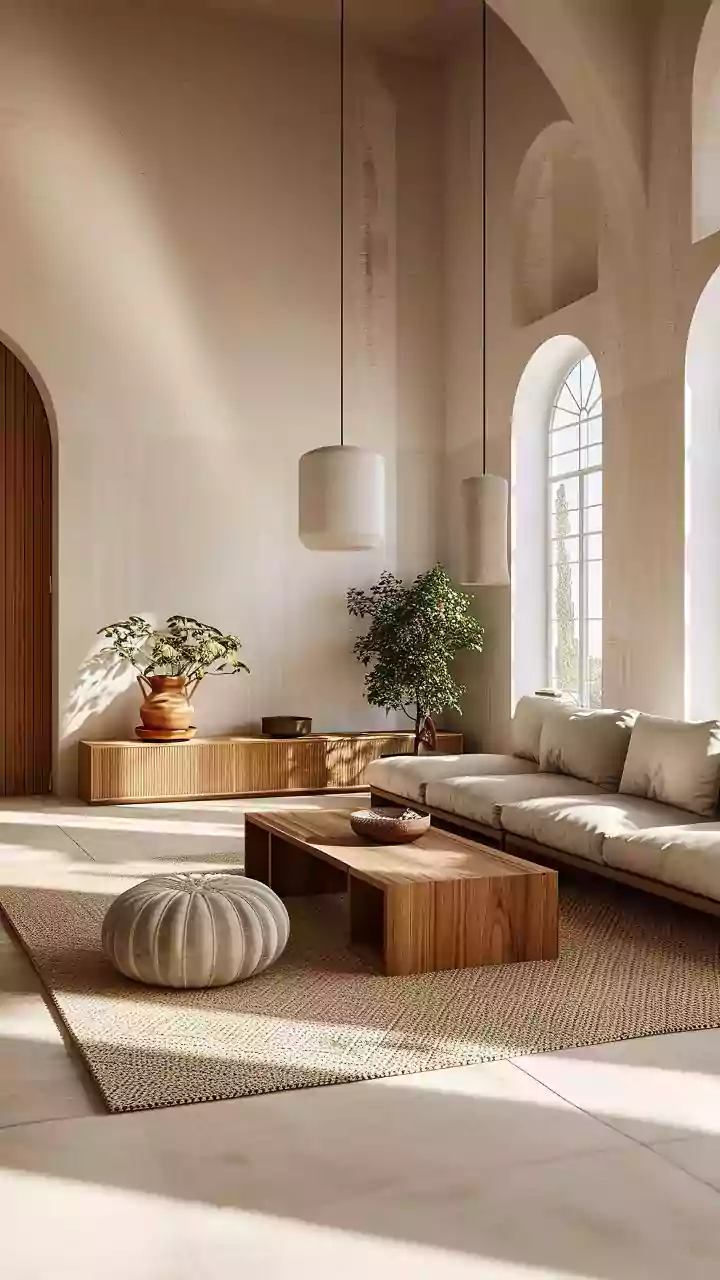
This isn't just about saving space; it's a deliberate style choice heavily influenced by social media platforms like Instagram and TikTok. The minimalist, clean lines of Scandinavian design (think Hygge) and the earthy, imperfect simplicity of Japanese principles (like Wabi-sabi) have become globally popular. Both traditions often feature low-to-the-ground furniture, promoting a sense of calm and connection to the space. Influencers and content creators showcase beautiful, airy rooms devoid of clunky furniture, filled instead with layered rugs, floor pillows, and plants. This digital mood board has inspired millions of young people to recreate this serene and stylish look in their own homes, proving that good design doesn't require a large footprint or budget.
Creating a New Kind of Social Space
Swapping a sofa for floor cushions also changes the social dynamic of a room. Traditional sofas create a more formal seating arrangement. Floor seating, by contrast, is inherently more casual and communal. It encourages people to lounge, sprawl, and interact in a more relaxed way. This breaks down the formal barrier between host and guest, fostering a more intimate atmosphere. While floor-seating culture has deep roots in India and many other parts of Asia, this modern interpretation is less about tradition and more about curating a specific social vibe—one that is collaborative, comfortable, and less hierarchical.
A Budget-Friendly Approach to Design
Finally, the economic reality cannot be ignored. A good quality sofa can cost a significant amount of money, a hefty investment for someone just starting their career or managing student debt. A collection of stylish floor cushions, a few poufs, and a large rug can be acquired for a fraction of the cost. This approach allows renters to build their living space incrementally, adding pieces over time as their budget allows. It democratises interior design, making a stylish and personalised home accessible without breaking the bank. For a generation savvy with finances and keen on customisation, this modular and affordable method is the perfect solution.