




The Comprehensive Pre-Monsoon Service
Before the first heavy shower, book your car for a thorough pre-monsoon check-up. This is more than just a routine service. A qualified mechanic should specifically inspect for potential monsoon-related issues. This includes checking the battery and all electrical
wiring for proper insulation to prevent short circuits, which are common in damp conditions. They should also inspect the door and window beadings (rubber seals) to ensure they are intact and can prevent water from seeping into the cabin. A professional will also examine the underbody for any signs of rust or damage that could be worsened by constant exposure to water and mud, applying an anti-rust coating if necessary. This single step can pre-empt a host of problems that might otherwise leave you stranded.
Tyres: Your Only Contact With the Road
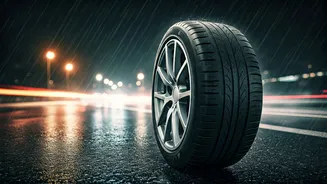
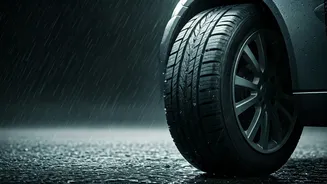
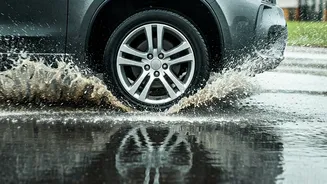
Your tyres are your first and most critical line of defence against slippery roads. The grooves on your tyres, known as tread, are designed to channel water away and maintain grip. As tyres wear down, the tread depth decreases, severely reducing their ability to prevent hydroplaning—a dangerous situation where a layer of water builds up between the tyres and the road surface, leading to a complete loss of steering and braking control. Before the monsoon, check your tyre tread. The legal minimum is 1.6mm, but for wet conditions, more is always better. You can use a one-rupee coin; if the head of the Ashoka lion emblem is visible when inserted into the groove, your tyre needs replacing. Also, ensure your tyres are inflated to the manufacturer's recommended pressure, which you can find on a sticker inside the driver-side door jamb.
Visibility: See and Be Seen
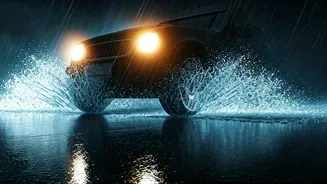
Heavy rain can reduce visibility to almost zero. Your car's wipers and lights are crucial for navigating safely. Inspect your wiper blades for any cracks, stiffness, or signs of wear. If they leave streaks or make a chattering noise, replace them immediately. It's an inexpensive fix that makes a world of difference. Top up your windshield washer fluid, perhaps adding a cleaning solution that can help cut through the grime splashed up from the road. Equally important is ensuring you are visible to others. Test all your lights: headlights (high and low beam), tail lights, brake lights, and indicators. Clean the lamp covers to ensure maximum brightness. Functioning fog lamps are a massive advantage in dense downpours and foggy conditions.
Braking System: Your Ultimate Safety Net
Wet roads significantly increase the distance required to bring your vehicle to a stop. Your braking system needs to be in optimal condition to handle this. During your service, have the brake pads, discs, and brake fluid checked. Worn-out brake pads will not provide the necessary friction, especially when wet. Brake fluid can also absorb moisture over time, reducing its effectiveness. If you feel any sponginess in the brake pedal or hear any grinding noises, get your brakes inspected immediately. Remember to practice gentle and progressive braking on wet roads to avoid locking the wheels and skidding.
The Monsoon Emergency Kit
Preparation also means being ready for the worst-case scenario. Getting stuck in a waterlogged street or having a breakdown during a downpour is a stressful experience, but having an emergency kit can make it manageable. Your kit should include: a high-power torch with extra batteries, a first-aid kit, a tow rope, a reflective warning triangle, and a phone power bank. It’s also wise to keep a set of dry clothes, a towel, and some non-perishable snacks and water in your car during the season. These items can be lifesavers if you are stranded for an extended period while waiting for assistance.
Smart Driving in the Rain
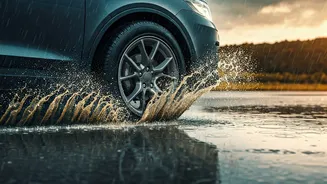
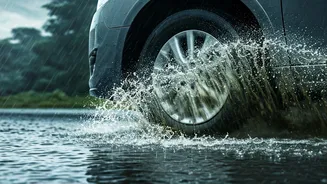
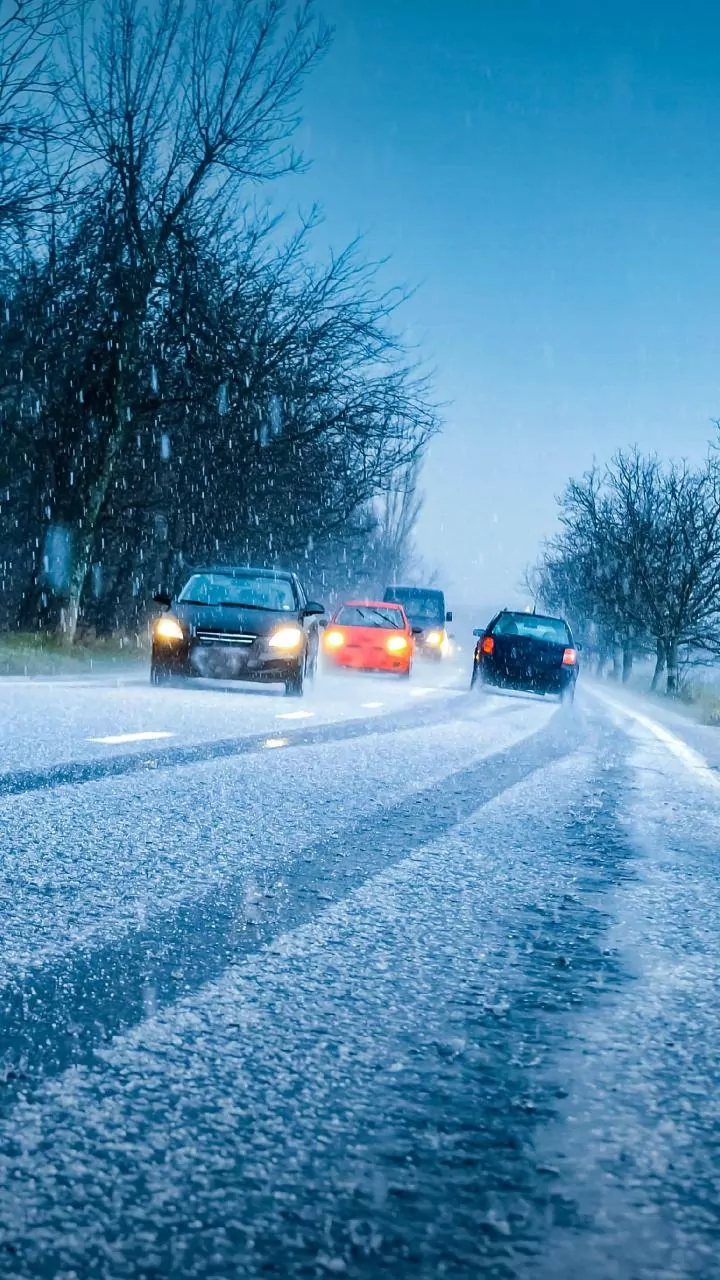
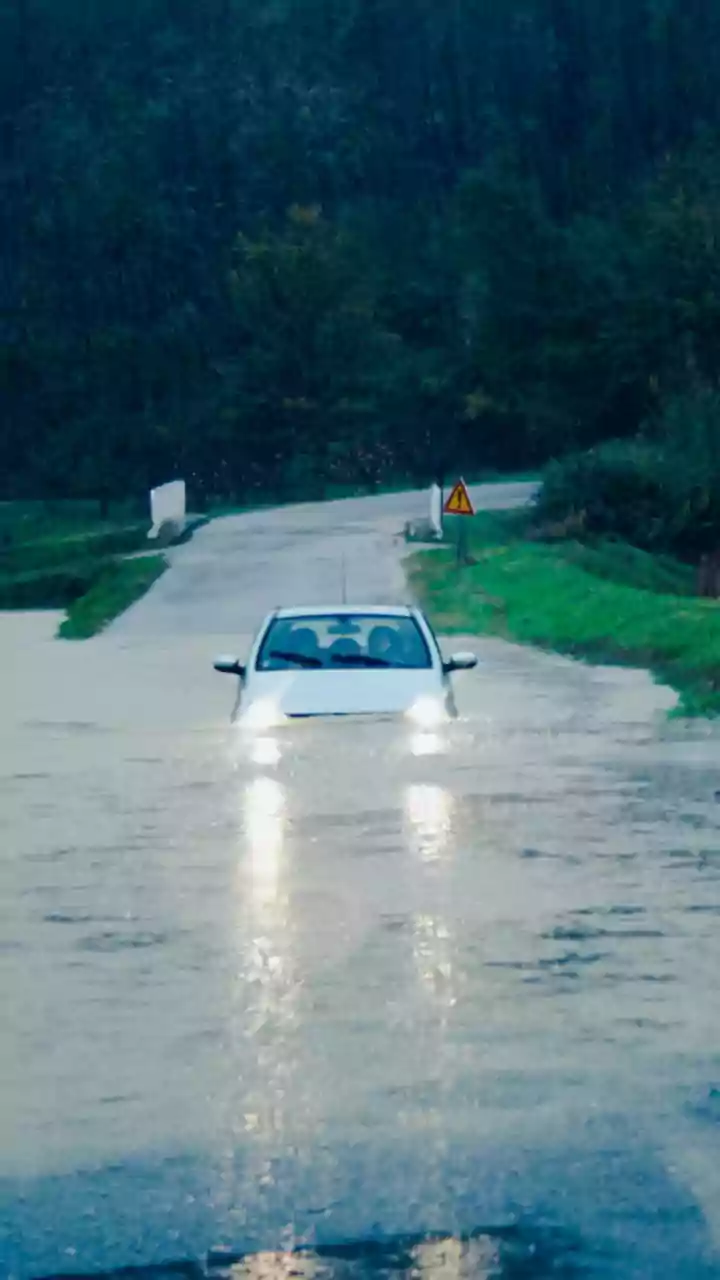
Once your car is prepared, the final element is you. Adjust your driving style for the conditions. Reduce your speed significantly. Driving fast on wet roads is the primary cause of hydroplaning. Double the usual following distance between your car and the one in front to account for longer braking distances. Avoid sudden acceleration, braking, or sharp turns. When approaching a waterlogged area, watch other vehicles to gauge the depth. If it looks too deep (generally, if the water is above the centre of your wheels), do not attempt to cross. If you must proceed, drive slowly and steadily in a low gear to keep the engine revs high and prevent water from entering the exhaust pipe. After clearing the water, tap your brakes lightly a few times to dry them out and restore their effectiveness.