





The End of 'FOMO' Travel
For years, the measure of a good trip was how much you could pack in. The goal was to return with a camera roll full of famous landmarks and a story of a whirlwind adventure. Today, young Indians are consciously moving away from this ‘fear of missing
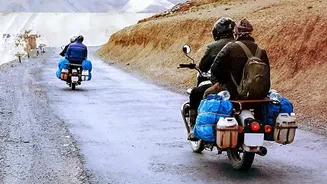
out’ (FOMO) model. Instead of collecting destinations, they are collecting experiences. A recent report revealed that for many Gen Z travellers, the absence of a rigid plan is often the plan itself. More than just seeing a place, the priority is to connect with it, whether that means spending a week in a single village or leaving entire days unplanned for spontaneous exploration. This marks a significant shift from ticking off a list of sights to truly immersing oneself in a single, calming environment.
The Burnout Generation Seeks an Escape
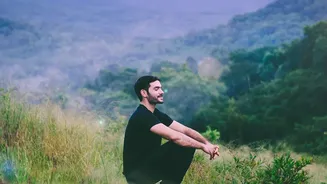
This trend isn’t happening in a vacuum. It’s a direct response to the pressures of modern urban life. With high rates of workplace burnout reported among Indian millennials and Gen Z, travel is no longer just an indulgence but a necessary tool for recovery. Many young professionals are actively seeking temporary exits from the constant connectivity and emotional fatigue of their daily lives. As a result, travel is being reframed as a form of maintenance for mental and emotional health. The goal is to find a place where the nervous system can reset. This has fueled a boom in the wellness tourism market in India, which is projected to grow significantly in the coming years as more people invest in trips that promise genuine rest.
Nature Is the New Nightclub
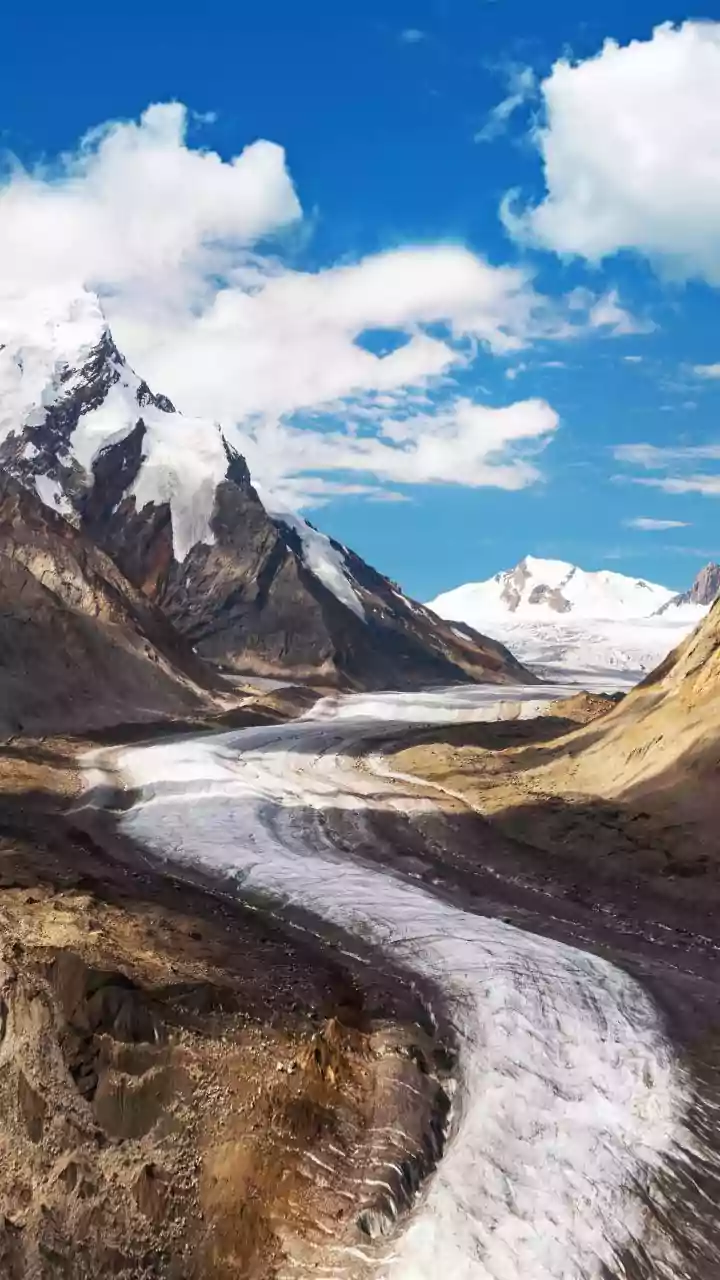
When it comes to what young travellers want, the preference is clear: nature and slow travel top the list. The loud, crowded nightlife of tourist hotspots is being traded for the quiet serenity of the mountains, the gentle rhythm of the backwaters, and the seclusion of forested eco-lodges. Activities like hiking, bird-watching, and simply enjoying the scenery are the new priorities. This pivot towards nature is also driving a rise in digital detox holidays, where travellers intentionally disconnect from their devices to reconnect with themselves and their surroundings. According to one survey, a staggering 90% of young travellers actively seek out places that have not gone viral online, showing a clear desire for authenticity over algorithm-driven popularity.
What Wellness Travel Actually Looks Like
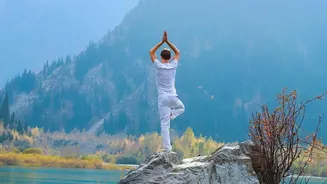
Wellness travel in India is about more than just five-star spas and luxury retreats, though those are part of a booming market. For many, it is defined by intention rather than destination. A trip to Rishikesh, for example, might once have meant a checklist of rafting and café hopping. Today, a wellness-focused trip to the same place could involve a structured yoga program, guided meditation, and Ayurvedic consultations. It can be as simple as choosing a homestay with home-cooked, nutritious meals or finding accommodation that becomes the highlight of the trip itself. This approach prioritizes balance over optimization, creating experiences that nourish the body and mind without the pressure to do or see everything. It's about finding quiet moments and seeking genuine rejuvenation.
Destinations on the Rise
This shift in traveller priorities is bringing a new set of destinations into the spotlight. While Goa and Rajasthan remain popular, there is a growing interest in places that offer tranquility and a deep connection with nature. Searches for accommodations in destinations like Dharamshala, Rishikesh, and Uttarkashi have seen significant growth. The serene backwaters of Kerala, the sprawling tea estates of Munnar, and the high-altitude calm of the Spiti Valley are increasingly sought after. Eco-lodges, Himalayan homestays, and farm stays are becoming preferred choices over conventional hotels, as they offer the authentic, slow-paced experiences that this new generation of travellers craves.