


Rethink Your Cooking Methods
One of the most effective ways to cut down on oil consumption is to move away from deep-frying. Instead, embrace alternative cooking techniques that require significantly less fat. Air frying has become a popular method for making crispy snacks like samosas,
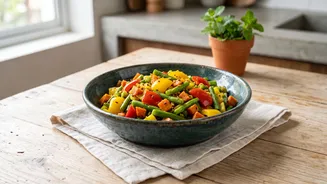
pakoras, and cutlets, using up to 80% less oil. Steaming is a zero-oil method perfect for dishes like dhokla and idli, and it also works beautifully for fish and vegetables, preserving their nutrients. Baking and grilling are other excellent options. You can make delicious tikkis, kebabs, and roasted vegetables in an oven or on a grill pan with just a minimal coating of oil. Even pressure cooking dals and legumes requires no oil during the main cooking process, relying on water and steam to build flavour.
Invest in the Right Cookware
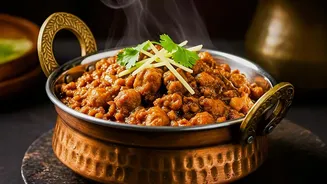
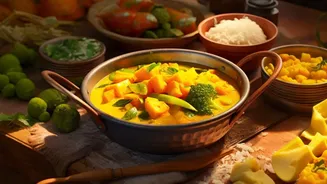
The type of pan you use can dramatically change how much oil you need. A high-quality non-stick pan is ideal for making dosas, cheelas, and shallow-frying, often requiring just a teaspoon of oil or none at all. Hard-anodized or heavy-bottomed tri-ply steel kadhais are also great investments. They distribute heat evenly, which prevents food from sticking and burning, thereby reducing the need to add more oil while sautéing vegetables or making curries. For those who enjoy traditional cookware, a well-seasoned cast-iron pan develops a natural non-stick surface over time and can significantly cut down your oil usage.
Master the Art of ‘Tadka’ with Less Oil
The tadka, or tempering of spices, is fundamental to Indian cooking, but it doesn't have to swim in oil. One clever technique is to dry roast whole spices like cumin, coriander, and mustard seeds in a hot pan for about 30-40 seconds before adding any fat. This process releases their essential oils and deepens their aroma, meaning you need less oil to carry the flavour. When sautéing onions, ginger, or garlic, instead of adding more oil when the pan gets dry, try deglazing with a splash of water or vegetable stock. This lifts the flavourful browned bits from the bottom of the pan and adds moisture without extra fat.
Measure, Don’t Pour
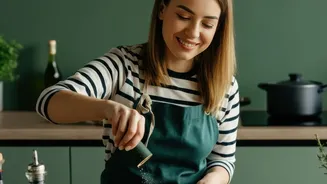
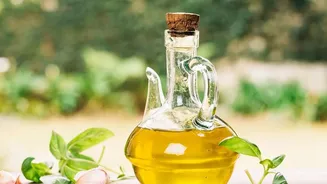
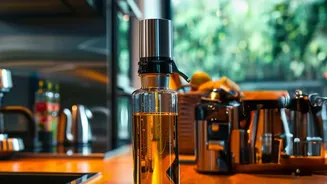
It’s a simple habit, but one that makes a huge difference. Many home cooks pour oil directly from the bottle, often using far more than necessary. By using a measuring spoon, you can control the exact amount going into your dish. For greasing pans or brushing oil onto parathas and kebabs, consider using a silicone brush or an oil spray bottle. These tools help create a thin, even layer of oil, using 60-70% less than you would by pouring. This mindful approach not only cuts costs but also makes meals lighter and healthier.
Make Smart Choices at the Store
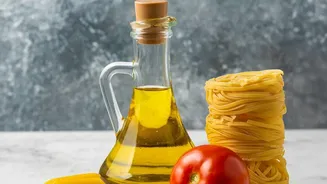
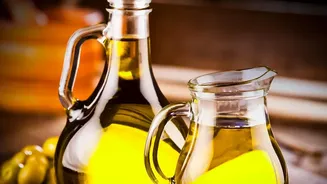
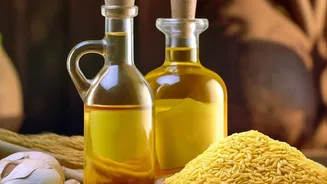
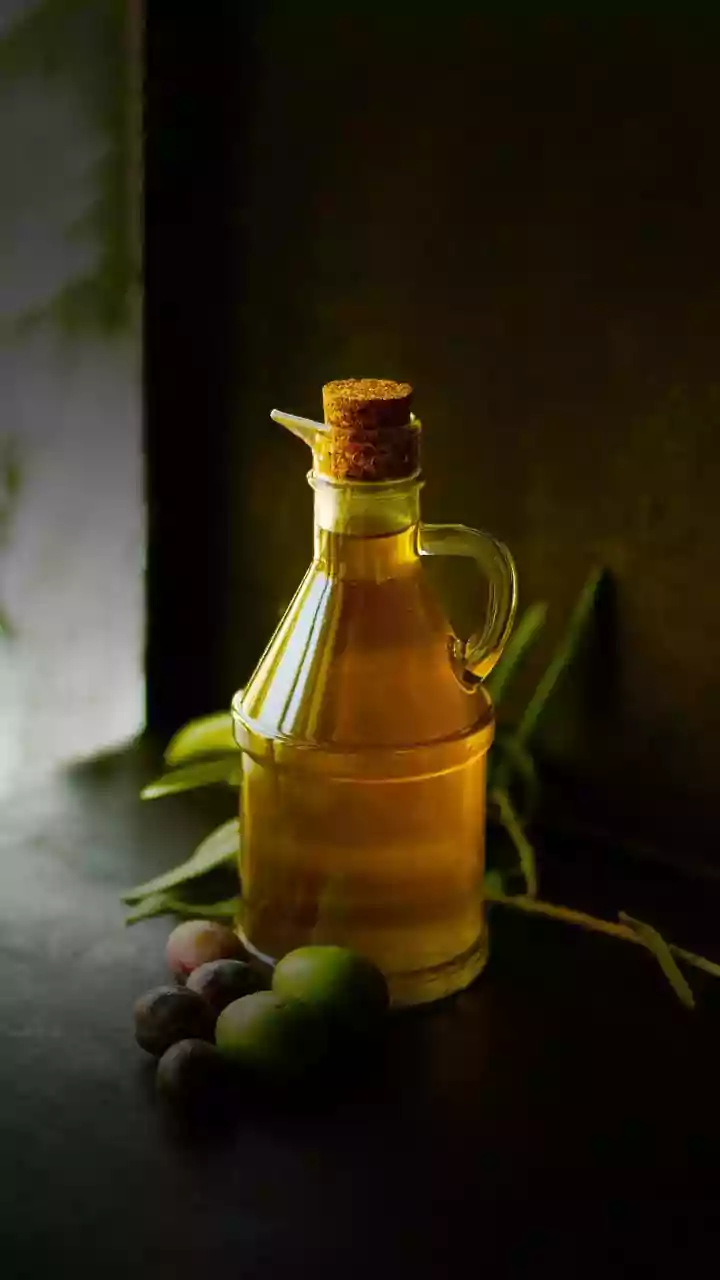
While prices for many oils have risen, there are still ways to be an economical shopper. India uses a wide variety of oils, including mustard, groundnut, soybean, sunflower, and palm oil. Neutral-tasting and affordable vegetable oil blends can be a versatile option for everyday cooking. When possible, buying larger quantities of non-perishable staples like cooking oil can often be more cost-effective per litre than purchasing smaller bottles. Pay attention to the type of cooking you're doing. A flavourful, cold-pressed oil might be wonderful for a salad, but a more budget-friendly refined oil with a high smoke point is perfectly suitable for frying.