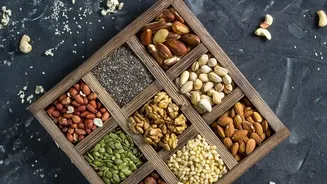





Nuts and seeds are nutritional powerhouses, but have you heard of soaking them? This simple, age-old practice may unlock more of their benefits by making them gentler on your digestive system. Here’s what you need to know.
The Protective Shield of Nuts and Seeds
Raw nuts and seeds possess natural
compounds that act as a defense mechanism. These compounds, which include enzyme inhibitors and phytic acid, are designed to protect the seed and keep it dormant until conditions are perfect for it to germinate and grow into a plant. Think of it as a built-in preservation system. When a bird eats a seed, these inhibitors can help it pass through the digestive tract whole, ready to be planted elsewhere. While brilliant for the plant's survival, these same protective layers can pose a challenge for human digestion.
Understanding Enzyme Inhibitors and Phytic Acid
Enzyme inhibitors do exactly what their name suggests: they can interfere with our own digestive enzymes, particularly those needed to break down protein. This can put a strain on our digestive system. Phytic acid, sometimes called an 'anti-nutrient', is another key compound. It can bind to important minerals like iron, zinc, magnesium, and calcium in the gut, forming complexes that prevent these minerals from being absorbed by the body. This is why a diet very high in untreated, phytic-acid-rich foods might contribute to mineral deficiencies over time.
How Soaking Unlocks the Goodness
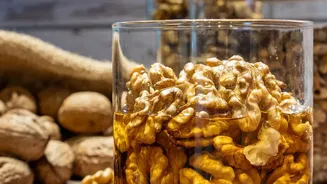
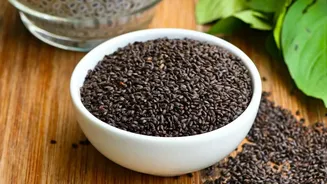
So, how do we get around these natural defenses? The answer is surprisingly simple: water. Soaking raw nuts and seeds in water mimics the natural process of germination. This signals to the seed that it is in a safe environment to start growing, which in turn helps to neutralize or reduce both enzyme inhibitors and phytic acid. The process can make the nuts and seeds softer, easier to digest, and may increase the bioavailability of their stored nutrients. For many people, this results in a gentler gut experience with less bloating.
Is Soaking Always Necessary?
While the science sounds compelling, it is important to maintain perspective. Research shows that for nuts, the reduction in phytic acid from soaking can be quite minimal and inconsistent compared to the significant reductions seen in grains and legumes. Some studies even show certain minerals can leach into the soaking water, negating some of the benefit. For most people eating a varied and balanced diet, the anti-nutrients in a daily handful of nuts are unlikely to cause any significant issues. However, if you have a sensitive digestive system or follow a plant-based diet where nuts and seeds are a staple, taking the extra step to soak them could make a noticeable difference in your comfort and nutrient absorption.
A Simple Guide to Soaking Nuts and Seeds
Ready to give it a try? It’s an easy habit to adopt. You must start with raw, unroasted nuts, as the enzymes in roasted nuts have already been destroyed by heat. Here’s a basic method:
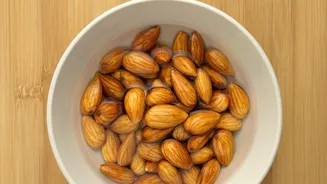
1. Place your raw nuts or seeds in a glass bowl or jar.
2. Cover them completely with warm, filtered water, leaving at least an inch of water above the nuts.
3. Add a pinch of sea salt (about 1 teaspoon per 2 cups of nuts is a common guideline), which helps activate the enzymes that neutralize the inhibitors.
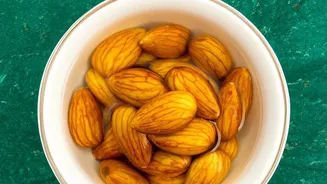
4. Let them soak at room temperature. Soaking times vary depending on the nut. Harder nuts like almonds need longer (8–12 hours), while softer nuts like cashews and walnuts need less time (2–4 hours).
5. Once done, drain the soaking water—you don't want to consume the compounds it has drawn out. Rinse the nuts thoroughly under fresh water. You can then eat them immediately for a softer, creamier texture, or dehydrate them in an oven on its lowest setting until they are dry and crisp for storage.