


The Open-Air Gym Advantage
Swapping the gym for the great outdoors offers more than just a change of scenery. Exercising in fresh air can boost your mood, increase vitamin D exposure from sunlight, and provide a more dynamic and engaging environment. The varied surfaces and equipment
at a park challenge your body in new ways, breaking the monotony of repetitive machine workouts. Whether you're a parent watching your kids play or just looking for an accessible fitness solution, the park provides a versatile space to build functional strength, improve balance, and enhance your overall well-being. It’s about integrating movement into everyday life in a way that feels less like a chore and more like play.
Before You Begin: Safety And Etiquette
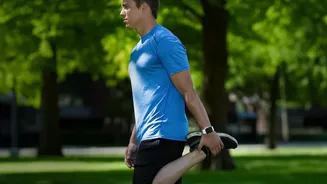
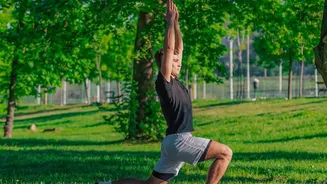
Before you jump into your first workout, take a moment for a quick safety check. Inspect any equipment you plan to use—like benches, bars, or swings—to ensure it's sturdy and dry. Warm up with five to ten minutes of light cardio, such as jogging or jumping jacks, and dynamic stretches like arm circles and leg swings. When exercising, be mindful of your surroundings, especially in a space shared with children. Give kids priority on all equipment and maintain a safe distance from play areas. Finally, wear supportive, closed-toe athletic shoes for stability and to prevent injury during dynamic movements.
Upper Body Strength Moves
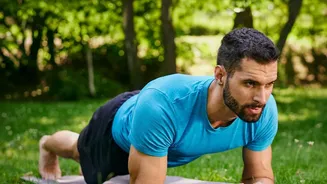
Playground equipment is perfect for building upper body and core strength. Incline Push-Ups: Use a park bench to make push-ups more accessible. Place your hands on the bench, slightly wider than your shoulders, and walk your feet back into a plank position. Lower your chest towards the bench, keeping your body in a straight line, then push back up. This move targets your chest and shoulders with less strain than a floor push-up. Bodyweight Rows: Find a low, sturdy horizontal bar or the edge of a ladder structure. Position yourself underneath it, grip the bar, and walk your feet forward so your body is at an angle. Keeping your body rigid, pull your chest towards the bar. This is an excellent exercise for your back and biceps. Tricep Dips: Sit on the edge of a park bench with your hands gripping the edge on either side of your hips. Slide your hips forward, off the bench, supporting your weight with your arms. Lower your body by bending your elbows until they're at about a 90-degree angle, then press back up to the start.
Lower Body and Balance Builders
Use open spaces and low platforms to challenge your legs and improve stability. Bulgarian Split Squats: Stand a few feet in front of a bench and place the top of one foot on the bench behind you. Keeping your torso upright, lower your hips until your front thigh is nearly parallel to the ground. Push through your front heel to return to the starting position. This move isolates each leg, building strength and balance. Step-Ups: A simple park bench is all you need for this effective leg-burner. Step up onto the bench with your right foot, driving your left knee up towards your chest. Step back down and repeat, alternating your lead foot. This builds explosive power and cardiovascular endurance. Single-Leg Deadlifts: For a true balance challenge, stand on one leg with a slight bend in the knee. Hinge at your hips, extending your other leg straight behind you for balance, and lower your torso until it's parallel to the ground. Return to the starting position with control. This move strengthens your hamstrings, glutes, and core stabilizers.
Putting It All Together: A Sample Circuit
To create a full-body workout, perform each exercise in a circuit. Try completing 10-15 repetitions of each move, one after the other, with minimal rest in between. Once you've completed one full round of all the exercises, rest for 60-90 seconds. Aim to complete 3-4 circuits for a comprehensive and challenging session. You can mix and match exercises based on the equipment available and your fitness level. For an added cardio boost, incorporate a lap of jogging or sprinting around the park between each circuit.