



The Seeds Taking Over Your Screen
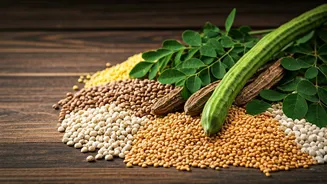
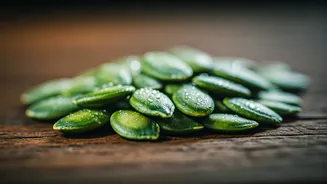
First, let's clarify what we're talking about. The stars of the show are typically seeds from watermelons and muskmelons (kharbuja). While you might be used to spitting them out, these seeds, when dried and hulled, are edible, delicious, and incredibly
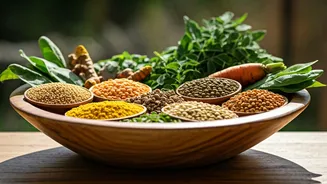
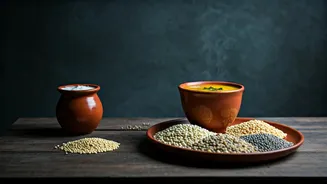
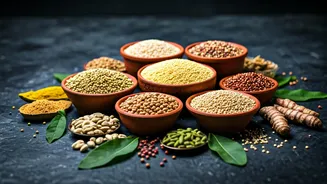
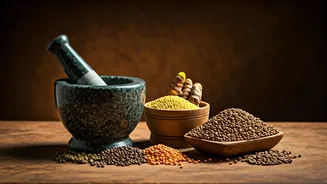
versatile. On social media, they’re being positioned as the new chia or flax, a tiny but mighty addition to breakfast bowls, energy bars, and salads. In India, of course, this is hardly news. We’ve known them collectively as ‘magaz’—a mix often including pumpkin, sunflower, and melon seeds—for generations. This current social media buzz is less a discovery and more a rediscovery, repackaged for a new, global audience obsessed with nutrient-dense superfoods.
A True Nutritional Powerhouse
The hype isn't just about aesthetics; melon seeds pack a serious nutritional punch. They are a fantastic source of plant-based protein, making them an excellent addition for vegetarians and vegans. A single serving can provide a significant amount of magnesium, a mineral crucial for everything from muscle function and nerve health to blood pressure regulation. They’re also rich in healthy fats, including omega-6 fatty acids, and essential micronutrients like zinc, iron, and potassium. Zinc is vital for immune function, while iron helps combat fatigue. Unlike many trendy ‘superfoods’ that are expensive or hard to find, melon seeds are accessible and affordable, making their health benefits available to a wider audience.
Not a New Trend, but a Tradition
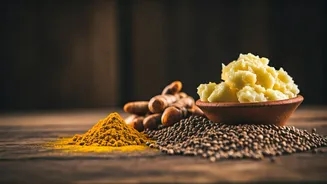
Long before they were a hashtag, melon seeds were a staple in Indian kitchens. They are the secret ingredient that gives many curries and gravies their rich, creamy texture without the heaviness of cashews or cream. Think of the Mughlai dishes where ground magaz is used as a thickening agent, adding body and a subtle nutty flavour. They are also a cornerstone of traditional sweets and drinks. The most famous example is thandai, the cooling Holi beverage where melon seeds are ground into a paste with nuts and spices. They are also pressed into chikkis, ladoos, and panjiri, valued not just for their texture but for their 'warming' properties in Ayurvedic tradition, believed to provide energy and strength.
Why the Sudden Mainstream Fame?
So, if melon seeds have been around forever, why are they suddenly everywhere? Several factors are at play. The global wellness movement has put a spotlight on plant-based, whole foods, and melon seeds fit the bill perfectly. They are gluten-free, keto-friendly, and packed with protein, ticking all the boxes for modern dietary preferences. Furthermore, their photogenic nature makes them 'Instagrammable'—a sprinkle of white and black seeds adds visual and textural contrast to any dish, making it look instantly more appealing and professionally styled. This visual appeal has been a key driver of their popularity on platforms where aesthetics reign supreme. It’s a classic case of modern trends catching up with ancient wisdom.
Easy Ways to Join the Craze
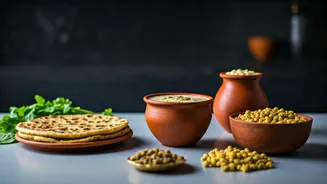
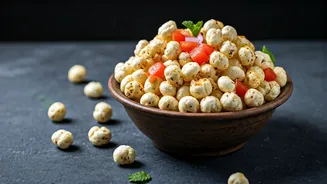
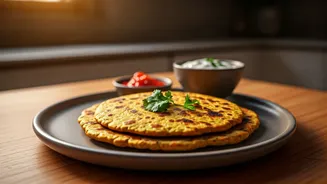
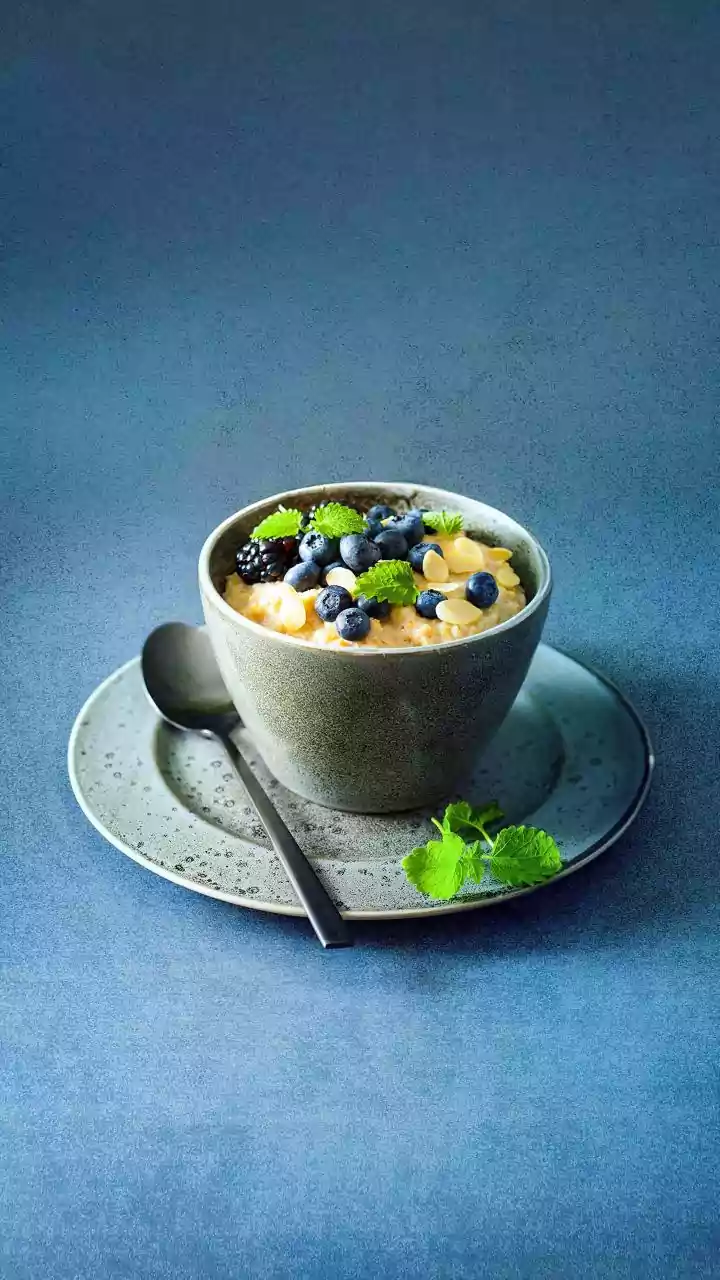
Ready to give them a try? Incorporating melon seeds into your diet is incredibly simple. You can buy them raw or roasted, shelled or unshelled. For a quick snack, simply toast a handful in a dry pan for a few minutes until they are fragrant and slightly browned. Sprinkle them with a bit of salt or chaat masala for a savoury treat. Add a tablespoon to your morning smoothie for a protein and magnesium boost, or sprinkle them over your oatmeal, yoghurt, or poha for extra crunch. You can even grind them and add them to your atta for rotis or use them in place of pine nuts to make a budget-friendly pesto. They are a simple, effective way to elevate the nutritional value and texture of your everyday meals.