

What the Reports Allege
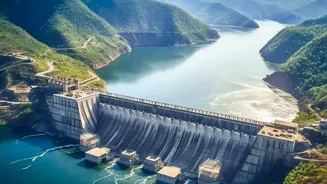
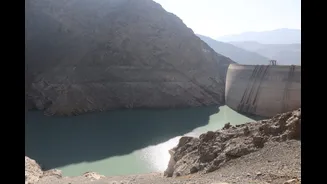
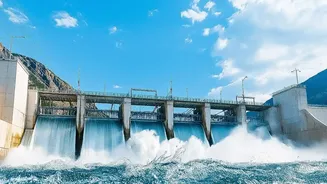
Recent analysis, highlighted in a New York Times report, has pointed to a curious geographical overlap between many of Iran's 533 dams and areas that have been targeted in airstrikes aimed at suspected military sites. Water security and military experts
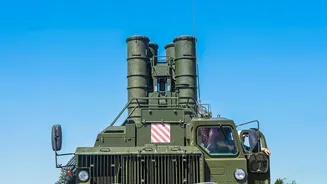
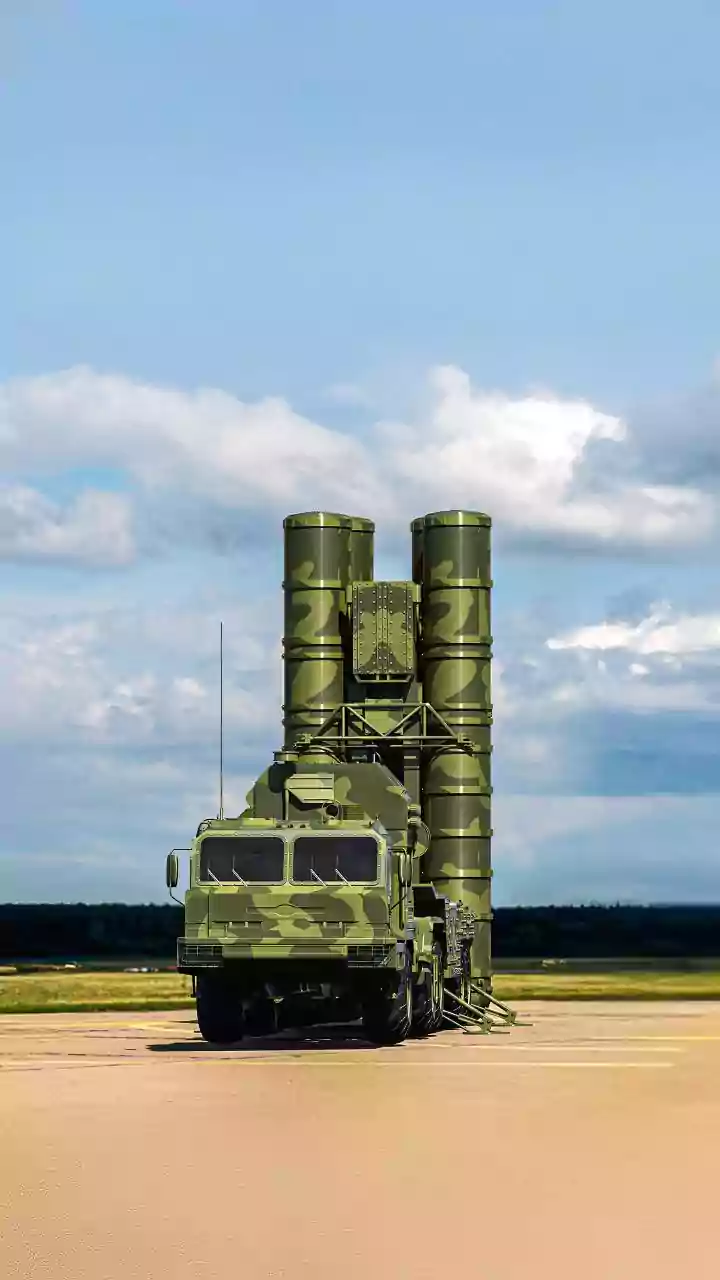
have noted that the pattern of these strikes often corresponds with the locations of major water infrastructure projects. This has led to speculation that some of these civilian projects, particularly those with unclear economic justifications, could be providing essential resources like water and electricity to Iran’s secretive underground 'missile cities'. These vast, fortified complexes are designed to produce, store, and launch missiles and drones, shielded from aerial attack deep beneath mountains.
The Strategic Logic
From a military standpoint, the logic is compelling. Creating self-sufficient military installations is a key strategic goal for ensuring operational continuity during a conflict. By co-locating missile facilities with dams, Iran could potentially guarantee a steady, independent supply of power and water, reducing reliance on the national grid which could be targeted and disrupted. A former Israeli military intelligence analyst noted that such an approach would be entirely consistent with Iran's strategic thinking, which heavily invests in redundancy and decentralization to protect its critical military assets. This would allow its missile program to remain functional even if civilian infrastructure across the country were compromised.
A Hypothesis Under Debate
It is crucial to note that the link remains a hypothesis, as experts and even the report's authors caution that there is no conclusive evidence. Some analysts argue that the overlap is merely coincidental. Mountainous regions are ideal for both building dams and concealing military sites, making a geographical correlation unsurprising. One expert pointed out that fewer than 50 of Iran’s over 500 large dams are actually equipped with turbines to generate electricity, questioning the theory that they are primarily intended as power sources for military bases. Critics of the theory argue that Iran’s well-documented issues with inefficient water management and politically motivated construction projects are a more likely explanation for the high number of dams than a secret military strategy.
The Civilian and Environmental Risks
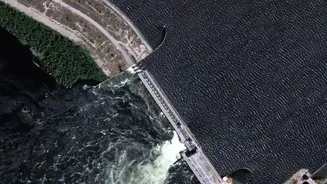
Regardless of intent, the proximity of military assets to major reservoirs creates significant dangers. A strike on a military target near a dam could inadvertently damage the civilian infrastructure, leading to catastrophic flooding and loss of water supply for drinking and irrigation. Furthermore, attacks on military facilities, particularly those storing liquid missile propellants, can release highly toxic substances like unsymmetrical dimethylhydrazine (UDMH). These chemicals can contaminate soil and water sources, posing a long-term health and environmental hazard to civilian populations who rely on these reservoirs. The very suggestion of a 'dual-use' nature for these dams has already drawn sharp condemnation from Tehran, which accused its adversaries of creating a pretext to attack vital civilian infrastructure, an act that would constitute a war crime under international law.