







An Engine of the Economy
The monsoon is the lifeblood of India's agriculture sector, which employs nearly half the country's workforce and contributes significantly to the national GDP. About 70% of India's annual rainfall arrives between June and September, making these months
critical for the Kharif cropping season. A healthy, well-distributed monsoon supports bountiful harvests, keeps food supply steady, and helps manage inflation. Conversely, a weak or erratic monsoon can delay sowing, reduce crop yields, and create a ripple effect that travels from rural fields to urban kitchens, impacting household budgets across the nation.
A Season of Contrasts
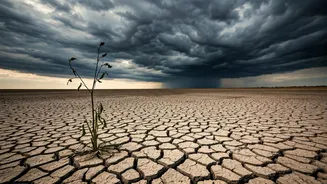
The 2026 monsoon season has been a story of extremes. June was one of the driest in over a century, ending with a rainfall deficit of nearly 40%. This sluggish start, influenced by strengthening El Niño conditions, sparked widespread concern. However, the first week of July brought a dramatic turnaround, with heavy rains across several regions leading to a rainfall surplus for that period and reducing the overall seasonal deficit. Despite this welcome revival, the India Meteorological Department (IMD) maintains its forecast for a 'below normal' monsoon for July as a whole, predicting rainfall to be less than 94% of the long-term average. This outlook suggests the risk is not over, as the distribution and timing of the rains are just as important as the total volume.
The Sowing Deficit
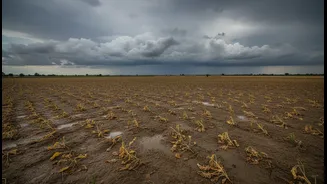
The initial dry spell in June had a direct impact on farming. With soil moisture too low, many farmers delayed planting their Kharif crops. While the recent rains have spurred a pickup in sowing activity, a significant gap remains. As of early July, the total area sown with Kharif crops was still lagging by over 20% compared to the same period last year. The shortfall is particularly sharp for key crops like oilseeds (down nearly 40%), pulses like tur (down over 20%), and even paddy, the main Kharif cereal (down 13%). This delay is critical because the primary sowing window for most of these crops closes by mid-July.
What's on the Price Watchlist?
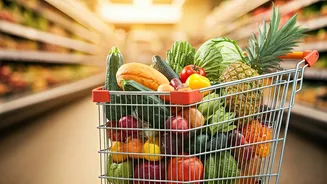
The combination of delayed sowing and an uncertain monsoon outlook puts several essential food items on a price watchlist. Vegetables, which are highly sensitive to weather, have already seen price surges. Prices for tomatoes, onions, and potatoes climbed in late June due to production constraints caused by heatwaves. Pulses and edible oils are also key areas of concern. With acreage for both categories significantly down, a poor harvest could tighten supply and push prices higher in the coming months. Lower output from rain-fed crops could fuel food inflation, a worry that both the government and the Reserve Bank of India are monitoring closely. Some analysts project that a poor monsoon could keep average food inflation around 6% this fiscal year.
Mitigating Factors and the Road Ahead
It's not all bad news. India's economy is considered more resilient to monsoon shocks than it was a decade ago, thanks to improved irrigation, better farming practices, and strategic government interventions. Crucially, the government currently holds comfortable buffer stocks of essential cereals like rice and wheat, which can be used to stabilize prices if needed. However, other factors like low water levels in the country's major reservoirs remain a concern, currently sitting at just 26% of capacity, which is significantly lower than last year. The performance of the monsoon over the next few weeks will be decisive. If the rains remain consistent and well-distributed, farmers may yet be able to narrow the sowing gap and secure a reasonable harvest.