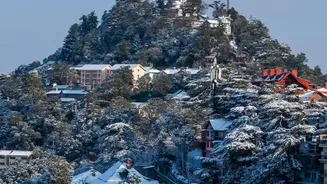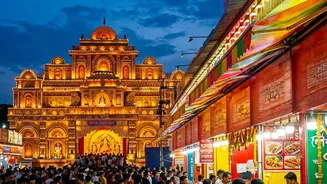

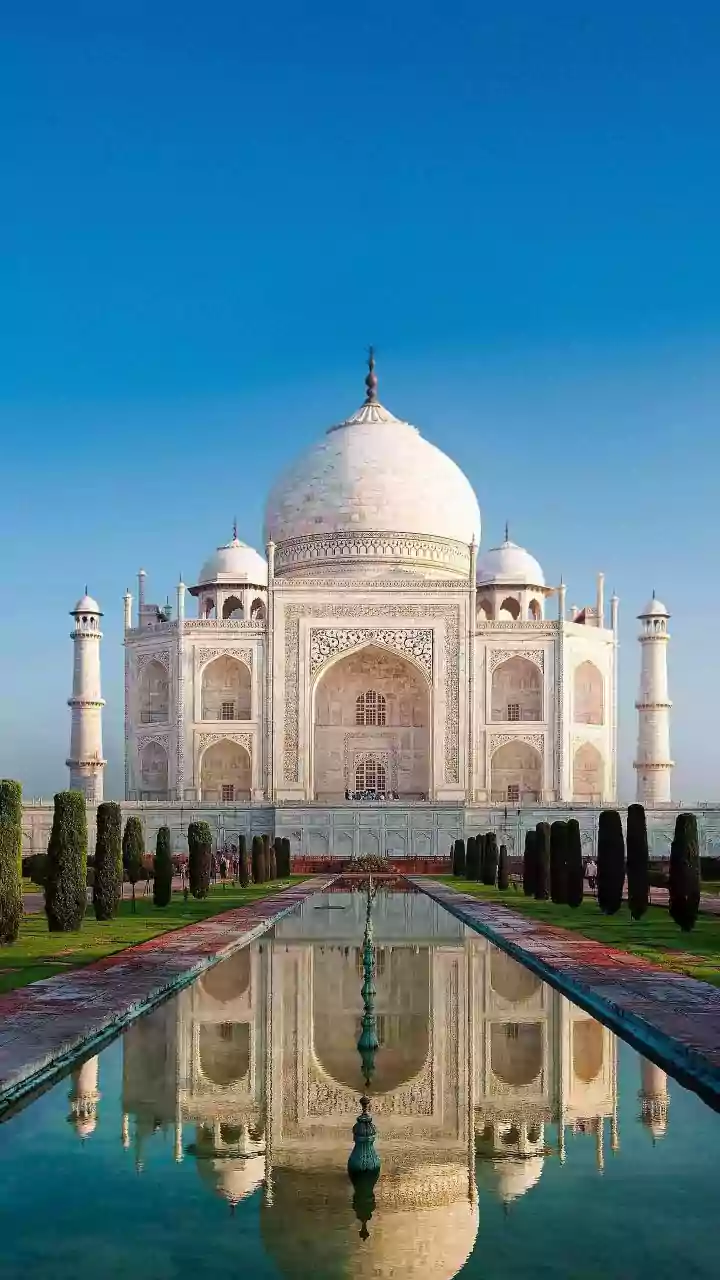




The quintessential Indian vacation is changing. For a new generation of travellers, the allure of crowded, predictable hill stations is fading, replaced by a yearning for something more authentic, immersive, and personal. But what's driving this shift?
The Search for Authentic Experiences
For many young Indians, travel is no longer about simply ticking off a list of famous landmarks. It's about collecting unique experiences and creating lasting memories. This desire for authenticity is pulling them away from commercialised tourist traps and towards destinations that offer a genuine connection to nature, culture, and local life. Instead of a selfie at a crowded viewpoint, they seek the thrill of spotting a tiger in its natural habitat, the quiet satisfaction of learning a traditional craft in a village, or a moment of peace at a remote monastery. This shift is less about the destination itself and more about the journey and the personal growth it offers.
The Call of the Wild
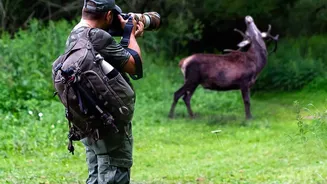
Wildlife tourism in India is experiencing a significant boom, growing at an annual rate of about 15%. It's not just seasoned wildlife enthusiasts who are flocking to national parks and sanctuaries anymore; a broader mix of younger travellers, families, and solo explorers are driving this trend. The appeal lies in the raw, untamed beauty of nature and the adrenaline rush of a safari. But it's also rooted in a growing awareness of conservation. Many young travellers see visiting these protected areas as a way to support environmental preservation and local communities that depend on tourism. Destinations like Ranthambore and Corbett are still popular, but people are increasingly exploring lesser-known parks in states like Madhya Pradesh and across the Northeast for more immersive experiences.
The Allure of Rural Life
In response to hectic urban lifestyles and rising stress levels, many are seeking refuge in the slow, simple rhythms of the countryside. Agritourism, which combines agriculture with travel, has become a powerful draw for those wanting to escape the city and reconnect with the land. This type of travel allows visitors to stay on farms, participate in agricultural activities, and enjoy farm-to-table meals. It’s an opportunity to understand where food comes from and to experience the authentic culture and heritage of India's villages. Government initiatives promoting rural tourism have helped improve infrastructure and access, making these getaways more viable and attractive for domestic tourists who are looking for affordable and meaningful weekend breaks.
A Journey for the Soul
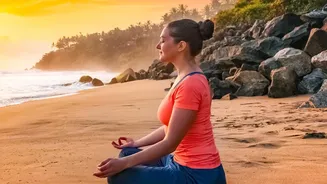
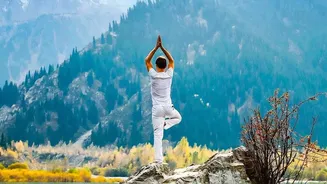
Spiritual travel is also undergoing a modern transformation. No longer just the domain of traditional pilgrims, it's attracting a younger demographic seeking wellness, mindfulness, and a digital detox. Destinations like Rishikesh, Varanasi, and Amritsar are booming, but the definition of a spiritual journey has expanded. It can mean a silent meditation retreat, a yoga camp in the mountains, or simply spending quiet time in nature to reset mentally and emotionally. This trend reflects a broader shift in society, where mental well-being is increasingly prioritised. Travel is now seen as a tool for healing and self-discovery, offering a much-needed pause from a fast-paced world.
The rise of these alternative travel trends is undeniably fuelled by social media. Platforms like Instagram and YouTube have become powerful tools for discovering lesserndown destinations. A visually striking video of a hidden waterfall or a travel influencer’s post about a village homestay can spark interest in places that were previously off the conventional tourist map. For a generation that prioritises unique, 'Instagrammable' moments, these offbeat locations offer the perfect backdrop. More than 85% of young travellers turn to social media for inspiration, with userndegenerated reviews and influencer recommendations heavily shaping their decisions.