





Start at the Top: Inspecting Your Roof
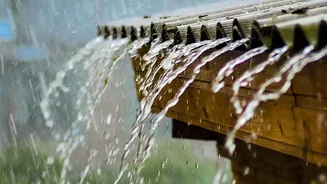
Your roof is the first line of defence against heavy rains, making it the most critical area to inspect. You don't need to get on the roof to spot many warning signs; a careful look from the ground and an inspection inside your home can reveal a lot.
Start by checking your ceilings and top corners of your walls for yellowish or brown water stains, which are clear indicators of a leak. Look for any signs of peeling or bubbling paint, as this suggests moisture is trapped underneath. If you have a tiled or shingle roof, walk around your property after a storm. Look for any cracked, missing, or lifted tiles or shingles on the ground. Even hairline cracks can allow water to seep into the underlayment, which is the roof's actual waterproofing layer. Also, pay attention to metal elements like flashing around chimneys and vents; dents or rust can create gaps for water to enter.
Reading the Walls: Signs of Seepage and Damp
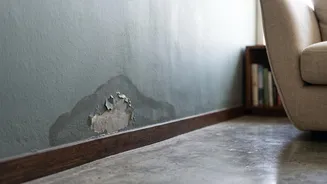
Wall damage often starts subtly before becoming a major problem. One of the most common signs of water intrusion is discoloration. Look for those tell-tale yellow or brown patches, which indicate moisture is building up inside the wall. Another clear sign is peeling or flaking paint, which happens when water weakens the adhesive. Gently press on areas that look suspicious. If a wall feels soft, spongy, or bloated, it suggests the material has absorbed a significant amount of water. Sometimes, the damage isn't visible at all. A persistent musty or earthy smell is a strong clue that there is hidden moisture and potential mould growth within the wall cavity. Also, check the baseboards, as they often show the first signs of trouble, such as warping or detaching from the wall.
Check the Flow: Drainage and Ground-Level Issues
An overwhelmed drainage system can cause as much damage as a leaky roof. During a heavy downpour, your gutters and downspouts are supposed to channel a massive amount of water away from your home's foundation. If they are clogged with leaves, dirt, or other debris, that water will overflow. This can push water under your roof or cause it to pool around the foundation, leading to seepage into lower walls or the basement. After a rain, check for choked drains and areas with stagnant water; these are not only damaging but also create breeding grounds for mosquitoes. Also, observe how water behaves in your yard. If it flows towards your home instead of away from it, this indicates an improper slope or grading issue that can saturate the ground near your foundation and lead to rising dampness in your walls.
Don't Forget Electricals and Windows
Water and electricity are a dangerous combination. If you spot leaks or damp patches near switchboards, electrical conduits, or light fixtures, this is a serious hazard that needs immediate attention. Water can travel through concealed wiring channels, creating a risk of short circuits. Be sure to have any such issues inspected by a qualified electrician. Windows and doors are another common entry point for rainwater. Check for any gaps in the seals or frames that could allow water to seep in, especially during wind-driven rain. Damaged caulking or swollen wooden frames often create vulnerabilities that are easy to overlook but can lead to significant water intrusion over time.