





Shoes: Your Monsoon Foundation
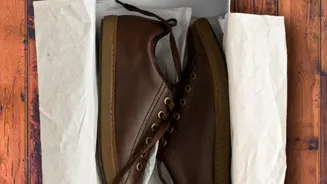
The wrong footwear can ruin a rainy-season trip. Leather is out, and so is anything that absorbs and holds water, like canvas sneakers. Your primary pair should be waterproof with excellent grip to handle slippery streets and muddy trails. Rubber sandals,
waterproof floaters, or quick-dry sneakers with good drainage are ideal choices. Flip-flops are great for casual or indoor use but often lack the grip needed for wet, uneven surfaces. The key is to pack at least two pairs. Wear your bulkiest pair during transit to save space. One pair will inevitably get soaked, and having a dry backup prevents discomfort and potential skin issues. Before you pack, ensure any new shoes are well broken-in. Pack them in shoe bags or even shower caps to keep dirt from your clean clothes.
Clothes: Quick-Dry and Strategic
In the high humidity of the monsoon, cotton and denim are your worst enemies; they absorb moisture, become heavy, and take days to dry. The core of your monsoon wardrobe should be synthetic fabrics like polyester and nylon. These materials are hydrophobic, meaning they absorb very little water and dry quickly, often within a few hours. Pack lightweight trousers, synthetic-blend T-shirts, and moisture-wicking underwear. A reliable, lightweight waterproof jacket or poncho is non-negotiable—far more effective than an umbrella, which can be useless against strong winds. Think in layers; a thin fleece can be invaluable for chilly evenings in hill stations. Instead of packing more, pack smarter. A small, curated selection of quick-drying clothes means you can wash items in your hotel sink and have them ready by morning. Darker coloured clothing is also a practical choice, as it helps to conceal any splashes from muddy puddles.
Documents: A Waterproofing Strategy
In the digital age, we still travel with essential physical documents like passports, identification cards, and sometimes even tickets or permits. Water damage can turn a dream trip into a bureaucratic nightmare. Your waterproofing strategy should be multi-layered. The simplest and most affordable method is using high-quality zip-lock bags. For added security, invest in dedicated waterproof document pouches or dry bags, which are designed to keep contents completely dry even if submerged. Don't just protect your papers; think about your electronics too. Phones, power banks, and cameras should each be in their own waterproof pouch. For maximum protection, you can place these pouches inside a larger dry bag within your main luggage. It’s also wise to have digital backups. Scan your passport, visa, tickets, and hotel bookings, and save them to a secure cloud service and on your phone for offline access.
Laundry: Managing Dampness on the Go
Dealing with laundry is one of the biggest challenges of monsoon travel. You'll have wet and dirty clothes, and they need to be managed to prevent musty smells and mildew from taking over your entire suitcase. The first rule is separation. Pack a dedicated waterproof laundry bag or even a few sturdy plastic bags to keep wet and soiled clothes isolated from your dry ones. Leaving damp items mixed with clean ones will only spread the moisture. For drying, a portable clothesline or a few bungee cords can be incredibly useful, allowing you to create a makeshift drying space in your hotel room. Always hang clothes with enough space between them for air to circulate, and place the rack near a fan if possible to speed up the process. Packing a small sachet of anti-fungal powder or a few silica gel packets can also help absorb excess moisture and combat odours in your luggage.