


Rajasthan's Best Kept Secret
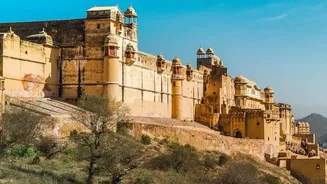
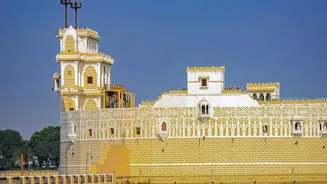
Tucked away in northeastern Rajasthan, the Shekhawati region is a world apart from the well-trodden tourist circuit of Jaipur and Udaipur. This is not a land of grand forts dominating a skyline, but of entire towns that feel like living museums. Historically,
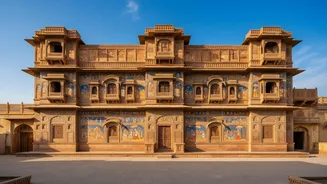
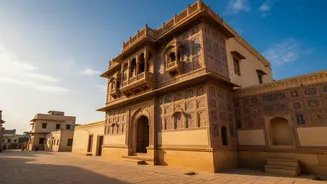
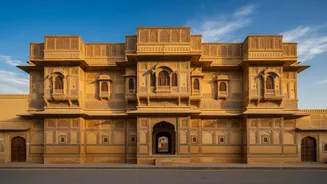
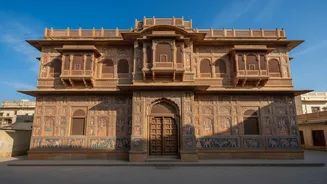
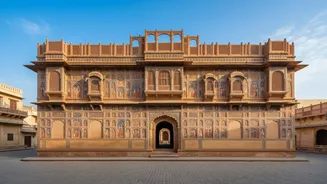
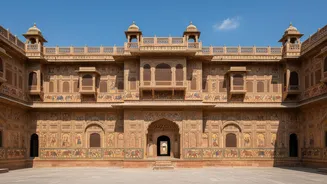
this area was a crucial part of the caravan trade routes, where wealthy Marwari merchants built opulent havelis, or mansions, as a testament to their prosperity. These merchants, whose families include some of India's biggest business names today, commissioned artists to cover nearly every inch of their homes with intricate paintings, transforming the arid landscape into a canvas of unparalleled artistic expression.
The Allure of the Off-Season
While most tourists flock to Rajasthan during the cooler winter months, the off-season—typically the monsoon period from July to September—offers a unique and rewarding experience in Shekhawati. The summer heat gives way to cooler, overcast days and occasional showers that wash the dust off the ancient buildings, making their colours pop. The parched landscape takes on a surprising green hue, and the region's lakes and stepwells begin to fill. But the biggest advantage is the tranquility. With fewer visitors, you can explore the painted lanes and silent courtyards at your own pace, creating a personal connection with the art and history that is impossible during the peak season. Plus, accommodation in beautifully restored heritage havelis is often available at a fraction of the winter price.
Living Inside a Work of Art
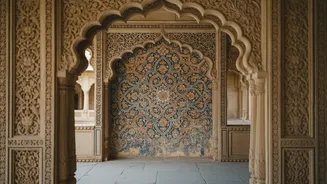
The havelis are the heart of the Shekhawati experience. These are not just buildings; they are storybooks painted on plaster. The frescoes chronicle the life and times of the region, with themes ranging from mythological tales of Lord Krishna to scenes of everyday life. You’ll find a fascinating blend of traditional motifs and modern influences, as artists who had never seen such things imagined trains, gramophones, and British men and women in their finery, based on the merchants' descriptions. Many of these crumbling mansions have been painstakingly restored and converted into heritage hotels. Staying in one allows you to sleep surrounded by art, dine in frescoed courtyards, and experience the lavish lifestyle of the merchants who built them.
Mapping Your Shekhawati Journey
Shekhawati is not a single destination but a cluster of towns, each with its own character. Mandawa is often the most popular starting point, known for its concentration of ornate havelis like the Goenka Double Haveli and the Murmuria Haveli. Nearby, Nawalgarh boasts the Anandilal Podar Haveli, which has been converted into an excellent museum showcasing the region's culture. Another must-visit is Fatehpur, where the Nadine Le Prince Haveli, restored by a French artist, offers a stunning example of cultural conservation. The best way to explore is by car, allowing you to meander between these towns. Plan for at least three days to do the region justice, though you could easily spend a week getting lost in its artistic maze.
An Immersion in Quiet Culture
A trip to Shekhawati is more than a sightseeing tour; it is a deep cultural immersion. It's about the slow, quiet moments: sipping tea with a haveli caretaker who shares stories passed down through generations, watching local artisans at work, or simply wandering through deserted lanes where the only sound is the wind. The absence of large tourist groups encourages genuine interactions. You can spend hours examining a single fresco without being hurried along, letting the detailed narratives of the past reveal themselves. This is travel for the curious and the contemplative, for those who seek to understand a place not through its grand monuments, but through its subtle, artistic soul.